
Govt Mandates ‘Vande Mataram’ Before National Anthem at Official Events, Schools
New Home Ministry rules make national song compulsory at all official events and schools

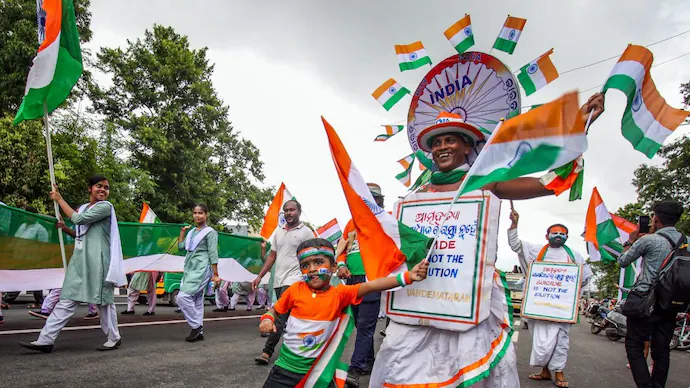
- ‘Vande Mataram’ to be played before ‘Jana Gana Mana’ at all government functions and schools
- Mandatory standing during the national song
- All six stanzas, including four earlier excluded, to be played
- Violations may invite up to three years’ jail under national honour law
GG News Bureau
New Delhi, 11th Feb: The Union Home Ministry on Wednesday issued new rules mandating that the national song Vande Mataram be played before the national anthem Jana Gana Mana at all government events and in schools across the country. The directive also makes it compulsory for everyone present to stand while the national song is played.
According to the new guidelines, Vande Mataram will also be played at civilian award ceremonies, including the Padma honours, and at all events attended by the President, both on arrival and departure. However, the song will not be mandatory in cinema halls.
The ministry has further directed that all six stanzas of the national song be played, including the four that were excluded from official use in 1937.
Last month, sources had indicated that the government was planning to extend protocols applicable to the national anthem under the Prevention of Insults to National Honour Act to cover Vande Mataram as well. Under the law, anyone who disrupts or prevents others from showing respect to the national anthem—or now the national song—can face up to three years in prison.
The move is expected to spark political debate. Last year, the BJP and the Congress were involved in a sharp exchange over the history and usage of Vande Mataram. Prime Minister Narendra Modi had accused former Prime Minister Jawaharlal Nehru of opposing the song on the grounds that it could offend Muslims, with the BJP later citing letters to support the claim.
The controversy largely revolves around the four stanzas dropped in 1937, which contain references to Hindu goddesses such as Durga, Lakshmi, and Saraswati. At the time, Congress leaders decided to restrict official use to the first two stanzas, citing concerns from sections of the Muslim community.
The BJP has argued that the decision reflected divisive politics, while the Congress has accused the ruling party and the Rashtriya Swayamsevak Sangh of politicising the issue. Congress president Mallikarjun Kharge described it as ironic that those claiming to be guardians of nationalism had not historically sung the song.
Congress leader Priyanka Gandhi Vadra also criticised the government in Parliament, accusing it of selectively quoting Nehru and attempting to gain political advantage ahead of upcoming Assembly elections in West Bengal.
Vande Mataram, written by Bankim Chandra Chatterjee in 1875 and later published in his 1882 novel Anandmath, became a powerful symbol during India’s freedom struggle, portraying the nation as a divine mother figure combining grace and strength.
