
Rahul Gandhi’s : Provocation a deliberate trap ,Taxpayer Loss

Poonam Sharma
The fifth day of the Budget Session of Parliament was marked by intense chaos and repeated adjournments, not due to policy disagreements, but due to the provocative conduct of Opposition leader Rahul Gandhi. While the nation expected a rigorous debate on the President’s Address and the nuances of the Union Budget, the proceedings were derailed by unsubstantiated claims and a blatant disregard for parliamentary protocols. Experts suggest that this behavior is a calculated attempt to stall the house and create a narrative of victimhood.
Wasting Taxpayer Money and Undermining Legislative Productivity
A functioning Parliament is the bedrock of democracy, and every minute of its operation costs the Indian taxpayer lakhs of rupees. Rahul Gandhi’s insistence on raising issues without following the established ‘Rule Book’ is viewed by many as a direct waste of national resources. Out of the 16 hours allotted for the discussion on the President’s Address—a crucial constitutional process—a significant portion was consumed by avoidable pandemonium.
Instead of engaging with the massive ₹12 lakh crore infrastructure allocation or the futuristic vision of the budget, Gandhi chose to rely on an unreleased book and unverified articles to attack the government on the issue of Chinese intrusion. By prioritizing propaganda over policy, he effectively hijacked the time that should have been used to address the pressing concerns of the common citizen, turning a temple of democracy into a theater of disruption.
Provocative Behavior and the Strategy of Victimhood
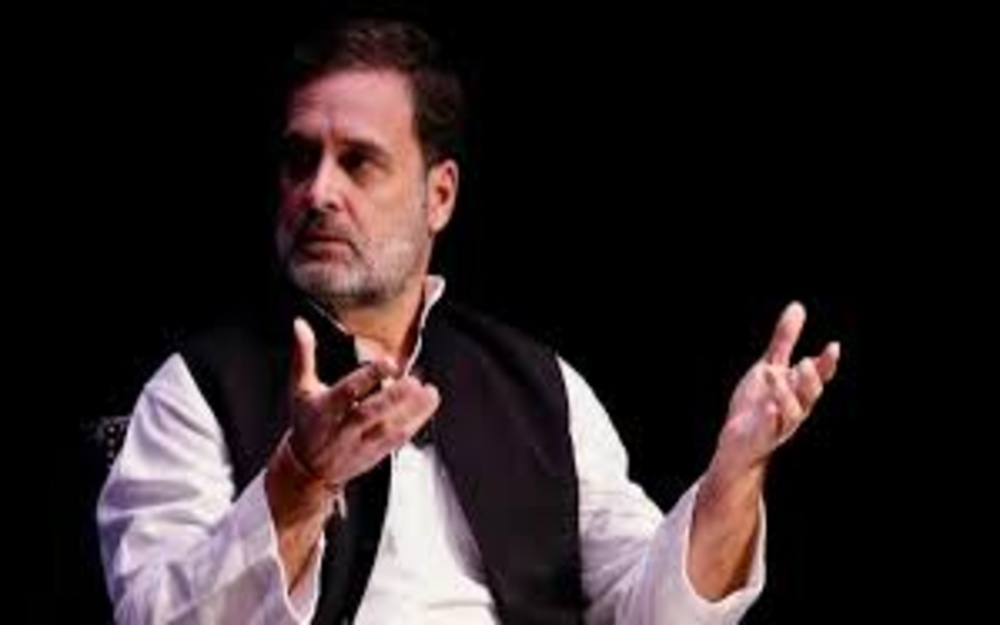
Observations from the gallery and the treasury benches suggest that Gandhi’s behavior was intentionally provocative. Despite repeated warnings from the Speaker to adhere to Rule 49—which mandates the proper procedure for quoting documents and sticking to the topic at hand—Gandhi continued to challenge the chair. His sarcastic retort, asking the Speaker to “write down what I should say,” was a low point in parliamentary decorum.
Political analysts argue that this is a deliberate trap. By repeatedly violating rules and forcing the Speaker’s hand, Gandhi aims to get suspended from the house. A suspension allows him to reach out to the international press and “rant” that democracy is in danger in India and that the opposition’s voice is being stifled. This “manufactured victimhood” serves to distract from the fact that the opposition often lacks a substantive critique of the government’s economic policies and budgetary figures.
Misinformation and Mispronounced Priorities
The session saw a heated exchange between Rahul Gandhi and Defense Minister Rajnath Singh. Gandhi’s attempt to quote former Army Chief Manoj Mukund Naravane from a book that has not even been officially published yet highlights a reliance on “hit-job” articles rather than factual intelligence. Furthermore, his inability to correctly pronounce the names of decorated military leaders was noted as a sign of his disconnect and lack of seriousness regarding national security.
The irony was not lost on the house: while the government highlighted global praise for India’s futuristic budget, Gandhi focused on reviving old controversies like Doklam. Critics were quick to remind the house of the 2017 incident where Gandhi was seen meeting Chinese officials during the height of the Doklam standoff—a move that continues to haunt his credibility on border issues. By choosing to act as a disruptor rather than a constructive critic, Gandhi has once again raised questions about his commitment to the dignity of the Indian Parliament.
