

Poonam Sharma
Trust at the Top: A Political Signal
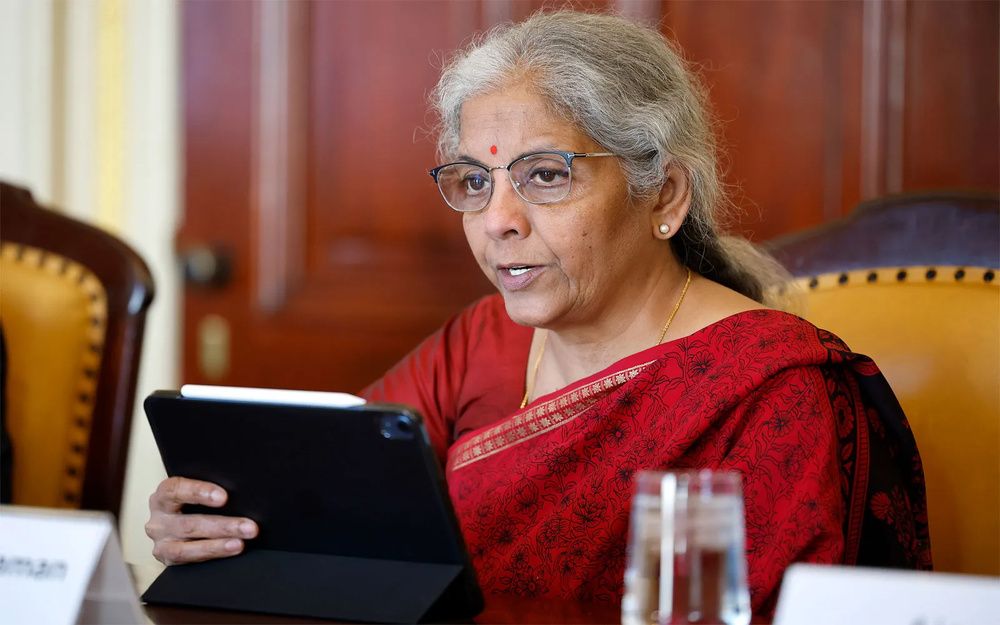
When Prime Minister Narendra Modi chose Nirmala Sitharaman as Finance Minister, it wasn’t just a cabinet decision—it was a political signal. In Indian politics, continuity in a powerful portfolio reflects trust, performance, and alignment with long-term goals. Sitharaman’s ninth consecutive Budget presentation places her among the most experienced finance ministers in India’s history, edging closer to Morarji Desai’s record of ten Budgets.
This continuity also marks a milestone in women’s leadership. While Indira Gandhi presented Budgets in the past, she was not a full-time finance minister. Sitharaman remains India’s first full-term woman Finance Minister to carry this role year after year, shaping fiscal policy across crises, reforms, and recovery phases.
India’s Growing Economic Footprint
The Budget narrative this year is unfolding against a global backdrop where economic power is visibly shifting. According to international economic assessments, India and China together now contribute a substantial share of global real GDP growth, with India emerging as one of the top contributors worldwide. This shift is not symbolic—it reflects India’s rising role in global demand, manufacturing, digital services, and infrastructure-led growth.
Under Modi’s leadership, the government has emphasized capital expenditure, digital public infrastructure, manufacturing ecosystems, and strategic sectors like semiconductors and data centres. The approach is clear: build domestic capacity while positioning India as a reliable global partner. This is also why the government is keen on attracting global technology firms to invest in India-based cloud and data infrastructure—an area seen as critical for future AI-led growth.
Politics Meets Performance
Predictably, Budget Day also triggered sharp reactions from the Opposition, with leaders questioning outcomes on jobs, prices, and rural distress. This back-and-forth is part of India’s democratic rhythm. Yet, what stands out is the contrast in narrative: while critics frame expectations cautiously, the government projects the Budget as a foundation for “Viksit Bharat 2047,” focusing on long-term capacity-building rather than short-term optics.
What strengthens the government’s political argument is the steady rise in public capital expenditure over the last decade. Spending on roads, railways, logistics, and digital infrastructure has multiplied since 2014, signalling a shift from consumption-heavy budgeting to investment-driven growth. Supporters argue this is how economies build durable momentum—by laying foundations that generate jobs over time rather than announcing headline-grabbing freebies.
Key Takeaways
Record in the making: Nirmala Sitharaman’s ninth Budget places her close to Morarji Desai’s all-time record.
Women in leadership: She remains India’s first full-term woman Finance Minister to present consecutive Budgets.
Global relevance: India is now among the top contributors to global GDP growth.
Long-term strategy: The Budget signals continuity in infrastructure, manufacturing, and tech-led growth.
As India marks another Budget Day, the political noise is loud, but the structural direction is clear: trust in leadership, investment in capacity, and a bet on India’s growing role in the global econ
