
UN mission warns military tensions in South Sudan, cites dire human conditions

By Anjali Sharma
UNITED NATIONS – The Officer in Charge of the UN Mission in South Sudan Anita Kiki Gbeho, on Friday briefed reporters in New York at the press conference told that the military tensions in South Sudan are “rapidly expanding” between Government forces and opposition militia as fighting continues in restive Jonglei state.
Anita Kiki Gbeho, said Jonglei has become a ‘flashpoint’ for fighting, with civilians caught in the crossfire.
She said that over 200,000 people displaced by the conflict this month, warned of a ‘sharp surge’ in cholera cases.
Anita Kiki Gbeho noted that 500 were reported nationwide this month whilst treatment centres are ‘overwhelmed’ and ‘critically short’ of supplies.
The aid efforts are continuing with government support, access continues to be ‘severely challenged’ by road and river restrictions that are preventing aid distribution and medical evacuations, she told.
South Sudan world’s youngest nation gained independence in 2011 but faced civil war with fighting between forces loyal to the national army under President Salva Kiir and those supporting main opposition leader Riek Machar, who is on trial facing serious charges, including murder, which he denied.
She stressed that a Government offensive got underway in three counties of Jonglei following opposition gains. All civilians and aid workers were urged to evacuate.
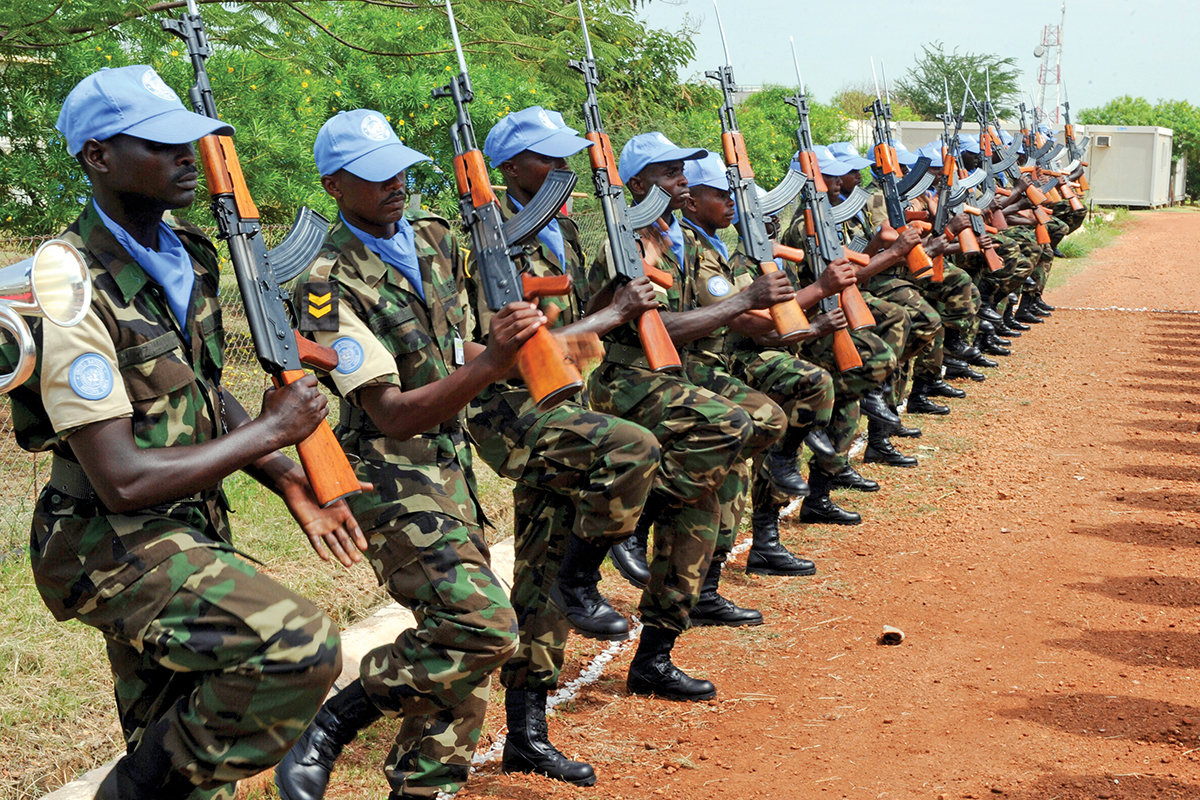
Ms. Gbeho told reporters that “humanitarian facilities are being looted and damaged, assets are being confiscated, and aid workers intimidated,” while the UN peacekeeping force is facing “similar challenges”.
She told that the disruptions to aid and peace building efforts are having an “intolerable impact on people,” with the mission warning that “all the conditions for a human catastrophe are present.”
Ms. Gbeho underscored that despite the release of $10 million to support the humanitarian response from the Central Emergency Relief Fund, “more support is needed.”
She stated that the priority is “to stop the fighting, protect civilians and preserve the peace process” and to work with the African Union and the IGAD bloc of nations in the region to “restore adherence to the [2018] peace agreement.”
Ms. Gbeho reiterated that “the solution to the current crisis is political, not military”, called on the country’s leaders to take “urgent, immediate action to cease hostilities, de-escalate tensions through inclusive dialogue, and return to consensus-based decision-making”.
She emphasized that “the power to make positive change rests with the South Sudanese themselves.”
Ms. Gbeho described the juncture as “a defining moment – a critical junction for South Sudan. The decisions it makes now could either lead them on a path towards peace or to further conflict.”
