
Violence in West Bengal: Behala Clashes
Rising Political Tensions Ahead of Assembly Elections

Poonam Sharma
As West Bengal moves closer to the Assembly elections, the political atmosphere in the state is growing increasingly volatile. What should have been a routine day of political activity in Kolkata’s Behala area turned into a scene of fear and destruction, highlighting how deeply polarized the political landscape has become.
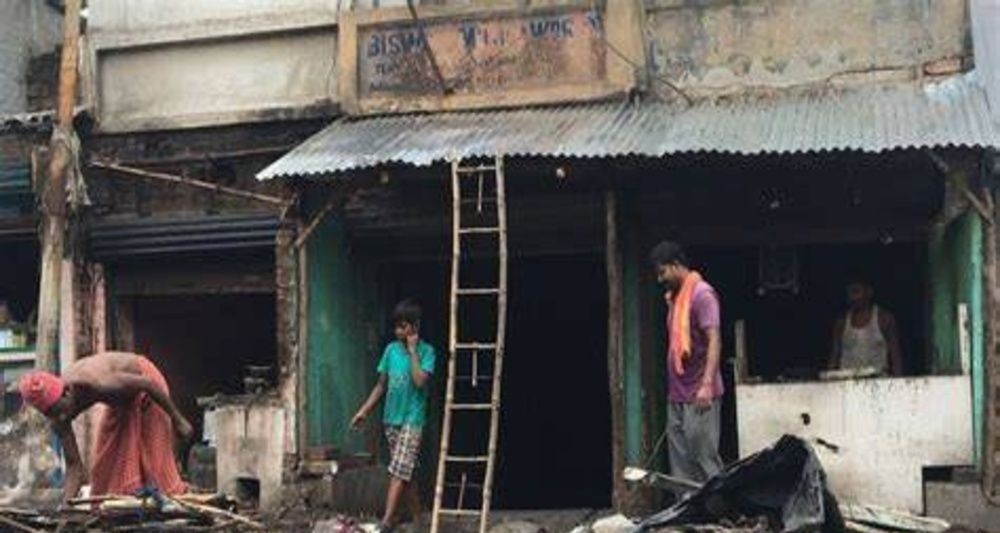
On the streets of Behala, clashes erupted between workers of the ruling Trinamool Congress (TMC) and the opposition Bharatiya Janata Party (BJP), leaving behind charred remains of political stages, vandalized property, and a shaken local population. Visuals from the area showed fires raging out of control, thick smoke filling the air, and residents running for safety as chaos unfolded.
Parties Trade Blame as Allegations Fly
According to the BJP, the violence began when its party workers attempted to put up BJP flags in the locality. The party alleged that TMC supporters objected to the move and deliberately tried to stop them, triggering heated arguments that soon spiraled into physical confrontation. What followed was arson and vandalism, including the setting ablaze of a BJP stage, which was completely reduced to ashes.
The situation worsened rapidly. Fires spread across the area, creating panic and stampede-like conditions among locals. Fire brigade vehicles reportedly struggled to reach the spot and control the blaze due to the intensity of the violence and the narrow lanes of the neighborhood. For residents, the clash was not just a political fight but a terrifying disruption of everyday life.
Earlier in the day, former Tripura Chief Minister and BJP’s West Bengal co-incharge, Biplab Kumar Deb, had addressed a public rally in Behala. The BJP claims that the violence erupted shortly after the rally concluded, raising serious concerns about post-rally security and the ability of authorities to maintain law and order during the election season.
BJP leaders were quick to place the blame on the ruling party. The party alleged that TMC workers initiated vandalism and resorted to violence to intimidate opposition supporters. BJP IT cell chief Amit Malviya shared videos of the incident on social media, accusing the Mamata Banerjee-led government of allowing lawlessness to flourish. According to him, fear of an impending electoral defeat was pushing TMC workers to create unrest on the streets.
Rising Concerns Over Law and Order Ahead of Polls
The Trinamool Congress, however, has consistently rejected such accusations in similar past incidents, maintaining that the BJP often provokes tensions to gain political mileage and portray the state as unsafe. While official statements from the TMC on the Behala incident were awaited at the time, the party has repeatedly accused the BJP of spreading misinformation and selectively circulating visuals to shape public perception.
The incident has once again brought Chief Minister Mamata Banerjee’s strained relationship with central institutions into focus. In recent remarks, Banerjee accused the Election Commission of acting like “agents of the BJP,” alleging bias in decision-making and enforcement of the Model Code of Conduct. These comments have sparked a sharp political debate, with the BJP accusing her of undermining constitutional bodies, while the TMC argues that such institutions are being misused to target opposition-ruled states.
For ordinary citizens, however, these political accusations offer little comfort. Residents of Behala described a night of fear, with shops shuttered, families locked indoors, and a sense of uncertainty hanging in the air. Many expressed frustration that political rivalries continue to spill onto the streets, putting lives and livelihoods at risk.
Political violence is not new to West Bengal, especially during election seasons. The state has a long history of aggressive political mobilization, where party dominance at the local level often turns into turf wars. What makes incidents like Behala particularly worrying is their timing—just ahead of crucial elections—raising concerns about whether the coming months will see more such clashes.
Security analysts warn that unless strict preventive measures are taken, political confrontations could intensify. Calls are growing for the Election Commission and state administration to ensure free, fair, and peaceful elections, without fear or intimidation. Opposition parties have demanded greater deployment of central forces, while the ruling party insists that law and order remains under control.
The violence in Behala is more than just an isolated clash between party workers. It reflects a deeper crisis of trust, escalating rhetoric, and a political culture where confrontation often overshadows democratic dialogue. As West Bengal heads toward another decisive electoral battle, the real test will be whether political leaders can rein in their cadres and allow democracy to function without fear, flames, and broken streets.
