
Badrinath-Kedarnath To Ban Non-Hindus?
Temple Panel Likely To Approve Proposal Soon

GG News Bureau
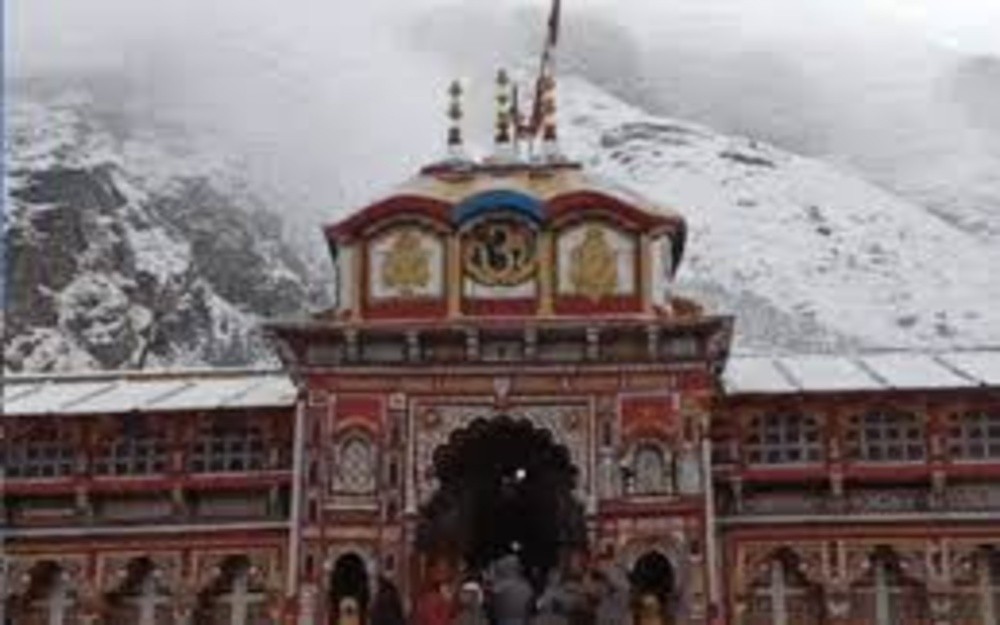
New Delhi 26th January: In a move that is already stirring discussion across religious and legal circles, the Badrinath-Kedarnath Temple Committee (BKTC) is set to formally propose a ban on the entry of non-Hindus into temples under its control, including the revered Badrinath and Kedarnath shrines in Uttarakhand.
The decision, once approved, would apply not only to the two Himalayan temples that form the spiritual core of the Char Dham pilgrimage but also to all other shrines managed by the BKTC. The proposal is expected to be placed before the temple committee’s board in its upcoming meeting.
Confirming the development, BKTC president Hemant Dwivedi said that the committee intends to restrict temple entry exclusively to followers of Hinduism. According to him, the move is aimed at preserving the religious sanctity and traditional character of the temples, which attract millions of devotees every year.
“Only Hindus will be allowed entry into temples governed by the BKTC,” Dwivedi stated, adding that the committee is acting within its mandate as a temple management body. Once passed, the rule will be implemented across all BKTC-controlled sites.
The timing of the proposal is significant, as the Char Dham pilgrimage season is set to begin soon. The Badrinath temple, dedicated to Lord Vishnu, will reopen on April 23 after remaining closed for nearly six months during the harsh Himalayan winter. The reopening date for the Kedarnath temple, one of the holiest shrines of Lord Shiva, will be announced on Maha Shivratri.
The other two shrines in the Chota Char Dham circuit—Gangotri and Yamunotri—are scheduled to reopen on April 19, coinciding with Akshaya Tritiya. Together, the four temples draw pilgrims from across India and abroad, making any change in entry rules a matter of wide public interest.
While similar restrictions already exist in certain temples across the country, the proposed blanket ban by the BKTC is likely to invite scrutiny. Legal experts point out that temple committees have autonomy in managing religious affairs, but such decisions can also trigger constitutional debates around access to public religious spaces.
So far, there has been no official response from the Uttarakhand government on the proposal. However, religious groups are expected to weigh in once the decision is formally adopted.
As the Char Dham season approaches, the BKTC’s move has added a new dimension to the annual pilgrimage—one that blends faith, tradition and contemporary debate in equal measure.
