

Poonam Sharma
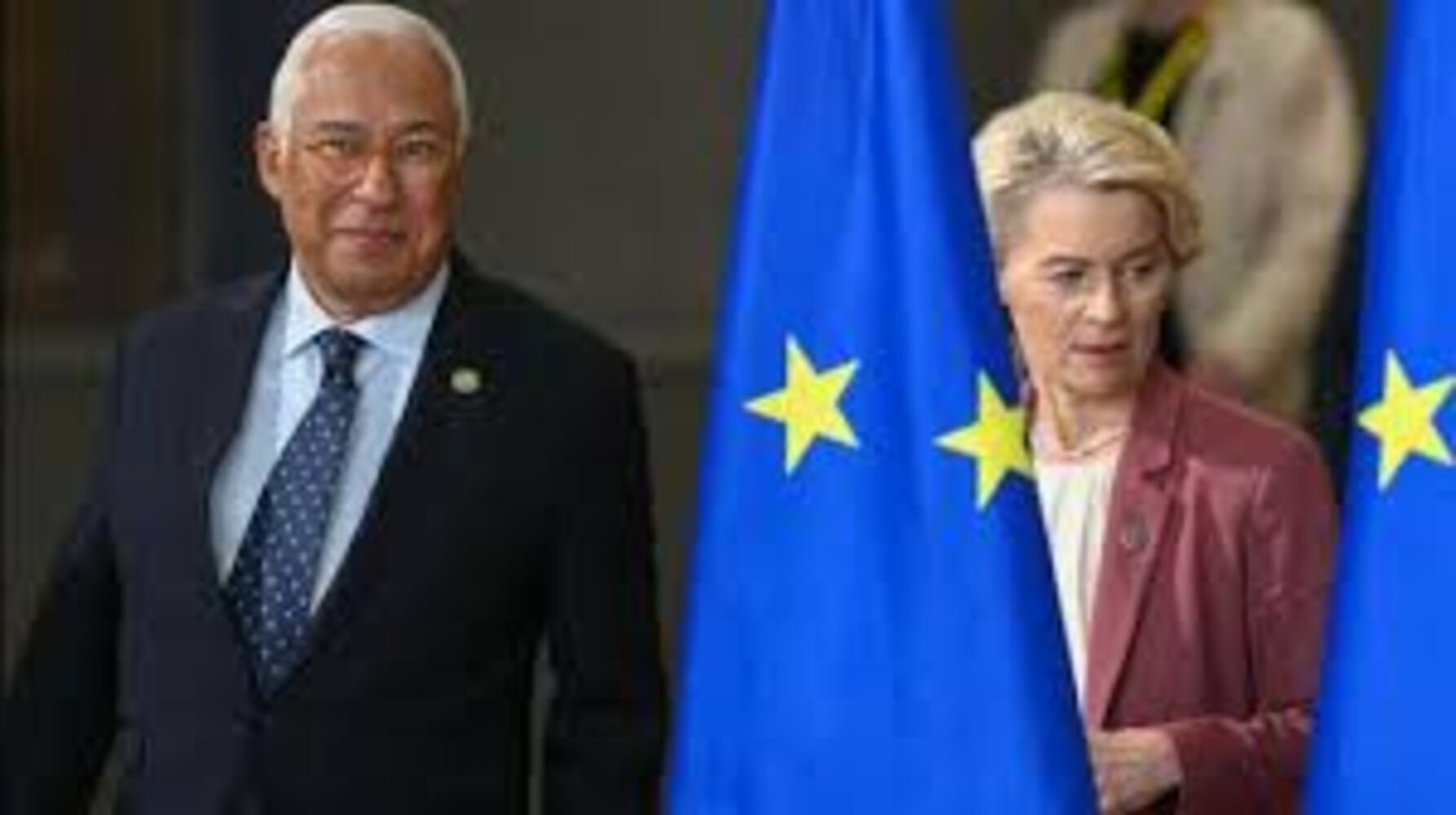
As the first light of dawn breaks over the Rajpath—now the Kartavya Path—this January 26, the rhythmic thud of marching boots will carry a message far louder than the usual display of military hardware. For the first time in the history of the Indian Republic, the “twin engines” of the European Union, Ursula von der Leyen and António Costa, will sit as Chief Guests.
In the language of diplomacy, a Republic Day invitation is the highest honor New Delhi can bestow. It is an invitation to a family celebration, a public declaration of who India considers its most vital friends. By seating the Presidents of the European Commission and the European Council in the front row, India isn’t just celebrating its 77th year as a republic; it is signaling a tectonic shift in the global order.
The Great Transatlantic Drift
To understand why this moment matters, one must look toward Washington. For decades, the script of the 21st century was supposed to be written by the “natural alliance” between the world’s oldest and largest democracies—the U.S. and India. But in 2026, that script is being rewritten.
Under the weight of unpredictable trade policies, aggressive tariffs, and a more transactional “America First” posture, the shadow of U.S. influence over New Delhi is visibly thinning. From punitive duties on Indian exports to friction over India’s strategic autonomy regarding energy and defense, the friction points with Washington have grown from minor irritants into structural divides.
Europe, meanwhile, finds itself in a similar boat. Buffeted by the same American protectionism and increasingly wary of being caught in the crossfire of a U.S.-China Cold War, Brussels has begun to realize that “Strategic Autonomy” is no longer a luxury—it is a survival strategy.
Pragmatism Over Posturing
The presence of Von der Leyen and Costa is the culmination of a “silent pivot.” While the world was distracted by louder conflicts, India and the EU have been quietly stitching together what Von der Leyen calls the “mother of all deals”—a historic Free Trade Agreement (FTA).
This isn’t just about selling more textiles or buying more machinery. It is about de-risking. For the EU, India represents the only democratic market with the scale to act as a credible alternative to China. For India, the EU offers something the U.S. currently does not: a partnership based on rules and long-term stability rather than the whims of a four-year election cycle.
As an EU contingent marches down the Kartavya Path for the first time, it symbolizes a “Third Way.” It tells the world that there is a path to prosperity and security that doesn’t require choosing between Washington’s volatility or Beijing’s assertiveness.
Beyond the Pomp: A Multipolar Reality
Critics might argue that the EU is too slow and India too protective of its markets for this romance to last. Yet, the 77th Republic Day suggests otherwise. The urgency is real. We are seeing cooperation on green hydrogen, semiconductor supply chains, and a shared vision for a “rules-based Indo-Pacific” that is increasingly European-led in its diplomatic nuance.
By choosing the EU leadership as their guests of honor, Prime Minister Modi’s government is making a sophisticated bet. They are betting that the future of the world is not unipolar or even bipolar, but multipolar. They are signaling that India is comfortable being a “pole” that can bridge the gap between the Global North and the Global South, with Europe as its primary partner in that endeavor.
The Dawn of a New Era
As the flypast roars over the heads of the European leaders and the Indian President, the message will be clear: the era of American “soft-veto” over Indian strategic choices is fading. India and Europe are discovering that they are more than just trading partners; they are two continental-sized democracies trying to find their footing in a world where old certainties have vanished.
The 77th Republic Day isn’t just a parade. It is a debut. It marks the moment India and the European Union decided that instead of waiting for others to lead, they would march together.
