

Poonam Sharma
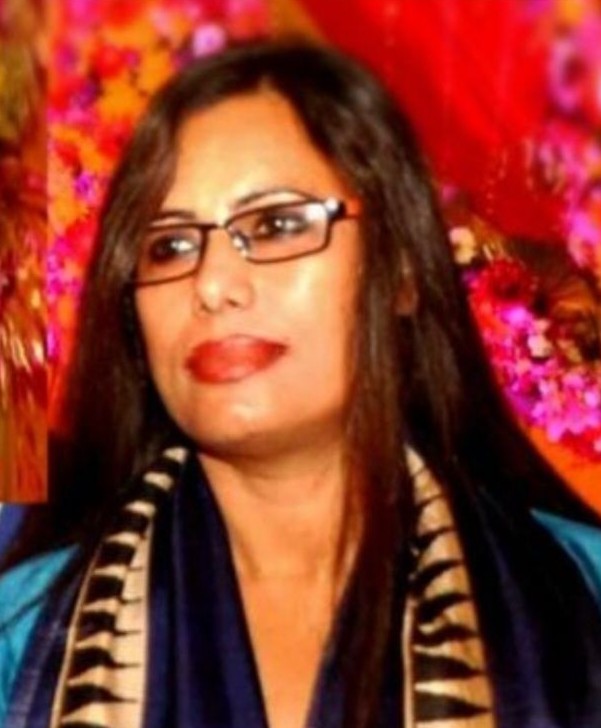
The recent arrest of Dr. Asma Begum, a 48-year-old physician hailing from Assam, by the Delhi Police Crime Branch has sent shockwaves through both the national capital and her home state. What initially appeared to be a routine traffic-related intervention—the use of a fake registration number on a Toyota Innova—has rapidly unraveled into a complex narrative involving identity fraud, high-level political posturing, and potential national security implications.
The Anatomy of the Arrest
According to official reports, Dr. Begum was apprehended while navigating Delhi in a vehicle sporting forged license plates. Upon further investigation, the Crime Branch recovered several sets of counterfeit plates from her possession. The vehicle itself, a staple of bureaucratic travel in India, was found to be registered under a different name, highlighting a deliberate attempt to mask her movements and identity.
However, the hardware was only the tip of the iceberg. Dr. Begum allegedly carried counterfeit identification claiming she was a “diplomat” representing a foreign embassy. In the high-security zones of New Delhi, where diplomatic immunity and specialized plates grant unparalleled access, such an impersonation is not merely a common fraud—it is a significant breach of the trust protocols that govern the capital’s Lutyens’ zone.
Political Proximity or Calculated Manipulation?
One of the most jarring elements of this case is Dr. Begum’s claimed affiliation with the Republican Party of India (RPI), led by Union Minister Ramdas Athawale. She reportedly introduced herself as a Secretary of the party, using photos with high-ranking officials to cement her status as an “influential figure.”
While photos with politicians in India are often used by fixers to project power, the frequency and nature of her interactions suggest a deeper penetration into political circles. The critical question remains: Was the RPI leadership aware of her activities, or was she a sophisticated “political tourist” who exploited the accessibility of Indian ministers to build a shield of legitimacy for her illicit activities?
The Specter of Security and the “Jihad” Narrative
The arrest has sparked intense debate in Assam, particularly regarding the doctor’s background. Public discourse has inevitably shifted toward security concerns, with some quarters drawing parallels to past incidents where professionals were found to be involved in anti-national activities.
The prompt for this concern is the historical context of the Red Fort bombings and other high-profile terror cases where radicalized individuals held professional degrees. While the Delhi Police have not yet officially linked Dr. Begum to any “Jihadist” cell or organized terror network, the sheer scale of her deception—possessing multiple fake identities and mimicking diplomatic status—begs the question of her ultimate objective. Was this a case of simple social climbing and financial fraud, or was it a “dry run” for something more sinister?
Critical Lapses in Vetting
This incident exposes a gaping hole in the vetting process of both political parties and security agencies. How does a civilian manage to navigate the capital with fake diplomatic credentials and multiple number plates without being flagged earlier?
Institutional Failure: The ease with which she operated suggests that “influence” still acts as a bypass for law enforcement in Delhi.
Professional Integrity: That the accused is a doctor—a member of a noble profession—adds a layer of betrayal to the public trust. It suggests that academic and professional credentials are increasingly being used as “deep cover” for criminal enterprises.
Conclusion: A Wake-up Call
The arrest of Dr. Asma Begum should not be viewed as an isolated case of a woman seeking social status through forgery. It is a symptom of a larger systemic vulnerability where the lines between political activism, professional life, and organized crime are becoming dangerously blurred.
As the Crime Branch continues its interrogation, the focus must remain on the “why” and the “who.” Who provided the forged documents? Who facilitated her entry into ministerial circles? And most importantly, was there a hidden agenda behind her diplomatic masquerade? Until these questions are answered, the case of the doctor from Assam remains a disturbing enigma that challenges our assumptions about security and social standing in the digital age.
