
Mumbai Setback Raises Survival Questions for Raj Thackeray’s MNS
BMC results expose shrinking appeal of Thackeray politics as BJP–Shinde Sena dominates civic turf

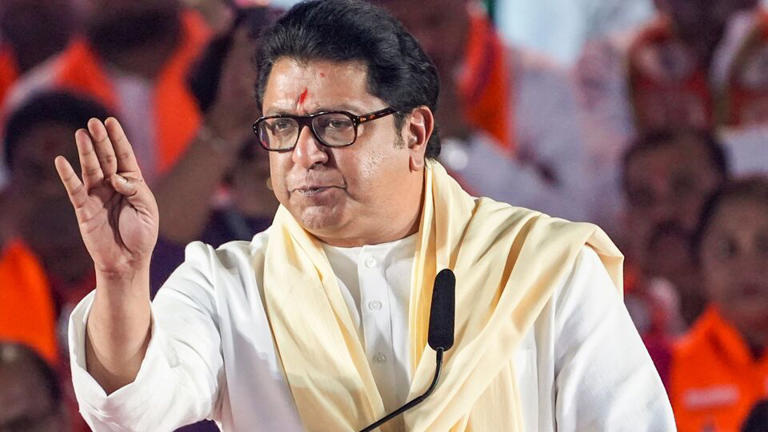
- MNS leads in only 10 wards as BJP–Shinde Sena crosses halfway mark in BMC.
- Reunion with Uddhav Thackeray fails to revive Marathi vote bank.
- Party risks losing state status after 1.55% vote share in 2024 Assembly polls.
- Raj Thackeray may pivot to street politics or seek alignment with Mahayuti.
GG News Bureau
Mumbai, 16th Jan: The Brihanmumbai Municipal Corporation (BMC) election results have triggered fresh questions over the political future of Raj Thackeray and his Maharashtra Navnirman Sena (MNS), once seen as a fiery heir to Bal Thackeray’s brand of assertive Marathi politics.
As vote counting continued, the MNS was ahead in just 10 of the 227 wards — a sharp reminder of its eroding relevance in Mumbai’s rapidly changing political landscape. In contrast, the BJP–Eknath Shinde Shiv Sena alliance surged ahead in around 118 wards, comfortably crossing the majority mark of 114. The Shiv Sena (UBT), led by Raj’s cousin Uddhav Thackeray, managed to stay competitive in about 75 seats but fell far short of challenging the ruling combine.
The performance shows the failure of the much-hyped Thackeray reunion, which many had hoped would consolidate the Marathi vote. Despite a high-decibel campaign centred on identity politics, the alliance could not blunt the BJP’s organisational strength or counter the Shinde Sena’s grassroots network in Mumbai.
The electoral setback deepens an existential crisis for the MNS. After securing only 1.55 per cent vote share in the 2024 Assembly elections and failing to win a single seat, the party now risks losing recognition as a state party — along with its common symbol and official privileges. Analysts warn this could severely weaken its institutional standing and make future campaigns even harder.
Without control over the BMC, Raj Thackeray also loses access to the patronage networks that traditionally sustain cadre loyalty. Observers say this could trigger defections to the BJP or Shinde Sena, as workers seek political survival.
Adding to the party’s woes, Raj’s son Amit Thackeray finished third in Mahim during the last Assembly election, stalling succession plans and raising doubts about the next generation’s electoral appeal.
With legislative irrelevance looming, Raj Thackeray may increasingly rely on street protests, Marathi language movements, and media-driven activism to remain politically visible. Some insiders also speculate that the MNS could eventually align with the BJP-led Mahayuti as a junior partner, though no formal talks have been reported.
As Maharashtra politics crystallises into a bipolar contest between the Mahayuti and the MVA, the MNS faces a stark choice: accept subordination within a larger alliance or risk gradual marginalisation from the state’s power politics.
