
Nine Amrit Bharat Trains to Redefine Long-Distance Travel
Assam and West Bengal set to get new affordable rail links to southern, western and northern India

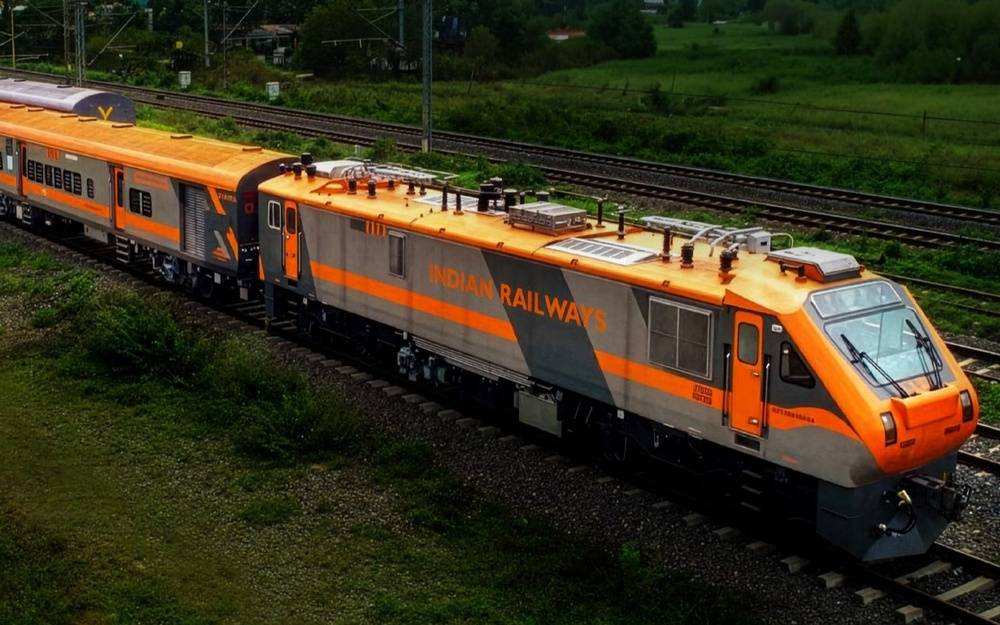
- Nine new Amrit Bharat Express trains to be introduced within a week
- New routes will link Assam and West Bengal to Tamil Nadu, Karnataka, Maharashtra and Delhi
- Fares remain around ₹500 per 1,000 km with no dynamic pricing
- Modern non-AC sleeper coaches with upgraded amenities to serve migrant and long-distance travellers
GG News Bureau
New Delhi, 14th Jan: Indian Railways is set to roll out nine new Amrit Bharat Express trains, expanding affordable long-distance connectivity from Assam and West Bengal to major destinations across southern, western and northern India, in a move aimed at transforming everyday rail travel for millions.
The new services will connect eastern and northeastern India with Tamil Nadu, Karnataka, Maharashtra, Uttar Pradesh and the National Capital Region, providing low-cost, comfortable non-AC sleeper travel to passengers, particularly migrant workers, students and families.
The nine new routes include:
- Guwahati (Kamakhya) – Rohtak
- Dibrugarh – Lucknow (Gomti Nagar)
- New Jalpaiguri – Nagercoil
- New Jalpaiguri – Tiruchirappalli
- Alipurduar – SMVT Bengaluru
- Alipurduar – Mumbai (Panvel)
- Kolkata (Santragachi) – Tambaram
- Kolkata (Howrah) – Anand Vihar Terminal
- Kolkata (Sealdah) – Banaras
With these additions, the Amrit Bharat Express network will grow beyond the 30 services currently in operation since its launch in December 2023. The trains will traverse key corridors through Assam, Bihar and West Bengal — regions that account for a large share of India’s long-distance rail passenger traffic.
Designed under the Amrit Kaal vision, the Amrit Bharat Express offers non-AC sleeper travel at fares of around ₹500 per 1,000 km, with proportionately lower prices for shorter distances and no dynamic pricing. The transparent fare structure ensures affordability for everyday travellers.
Passengers will have access to modern amenities such as foldable snack tables, mobile and bottle holders, radium floor strips, electro-pneumatic toilets, fire suppression systems, charging points, pantry cars and special provisions for divyangjan passengers.
The new services are expected to become vital mobility lifelines, strengthening economic, educational and social linkages between eastern and northeastern India and major industrial, IT, educational and commercial hubs across the country, while setting a new standard for inclusive and affordable rail modernisation.
