
MP Farmers Look to Budget for Fair Prices, Faster Insurance Relief
As Union Agriculture Minister hails from Sehore, wheat and soybean growers pin high hopes on February 1 Budget

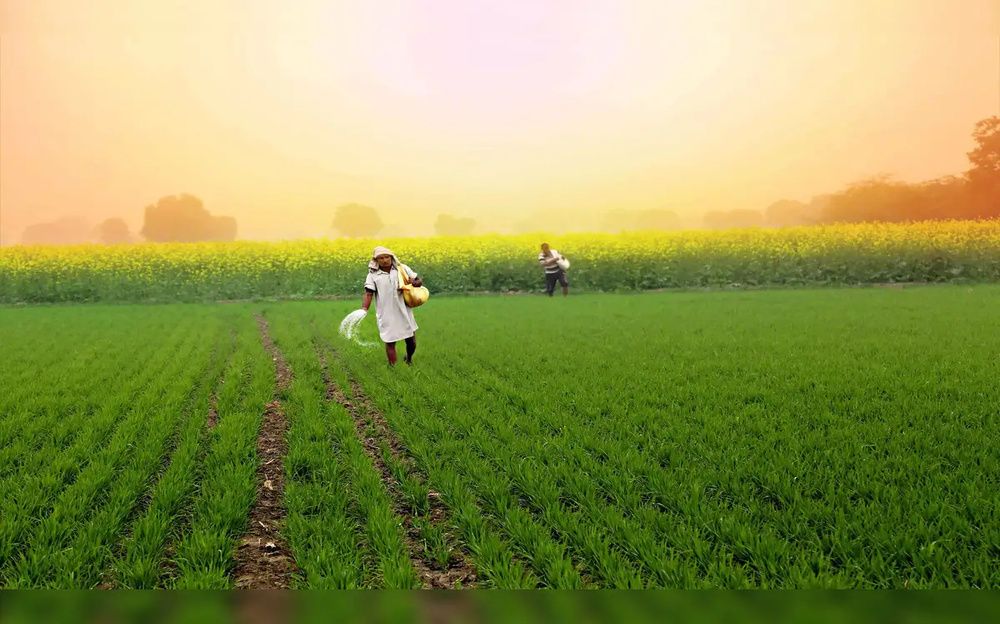
- MP leads India in wheat, pulses, soybeans and medicinal crops
- Sehore farmers demand higher MSP and timely insurance payouts
- Onion and soybean losses highlight farm distress
- Budget expectations peak with Agriculture Minister from the state
GG News Bureau
Sehore, 13th Jan: Madhya Pradesh, India’s largest producer of wheat and pulses, has once again emerged at the centre of national attention as the Union Budget approaches. With Union Agriculture Minister Shivraj Singh Chouhan hailing from Sehore, expectations among farmers across the state have reached a new high.
Often called India’s grain basket, Madhya Pradesh leads in wheat, chickpeas, lentils, soybeans and oilseeds, while also contributing nearly 44 per cent of the country’s medicinal crop output. It dominates spice production and tops the national chart in tomatoes, giving the state a decisive voice in national farm policy. Yet, farmers say their incomes do not reflect this importance.
In Sehore, fertile black soil supports crops across more than 7 lakh hectares annually. The region is famed for its Sharabati wheat, locally called the “Golden Grain”. However, farmers here narrate a growing gap between rising cultivation costs and stagnant market returns.
Roop Singh of Ulajhawan village, who cultivates three acres, says onions rotted in his field this year due to poor prices. “We invested heavily, but got nothing in return. Insurance payouts are delayed. Wheat should be Rs 3,500–4,000 per quintal and soybean above Rs 5,000,” he said.
Similar concerns echo across neighbouring villages. Farmers complain of delayed compensation, rising fertiliser costs, and dependence on middlemen. Many are demanding higher Minimum Support Prices (MSP), better storage facilities, timely crop insurance settlements and expansion of Kisan Credit Card limits.
Large and small farmers alike speak of losses in onions and soybeans. “It is the trader who benefits, not the farmer,” said Banshilal Kushwaha, pointing to delayed price rises that never reach cultivators.
Chief Minister Mohan Yadav has declared 2026 as the “Farmer Welfare Year”, announcing plans for solar pumps, expanded micro-irrigation, modernised mandis and river-linking projects to enhance irrigation. Yet, farmers stress that announcements must translate into on-ground delivery.
As Finance Minister Nirmala Sitharaman prepares to present the Budget on February 1, Sehore’s fields remain watchful. For farmers, the Budget will not be judged by its promises, but by whether it finally addresses their rising costs, unpaid insurance claims and long-standing demands for fair prices.
