

-
SIR voter list revision triggers strong objections from Mamata Banerjee and TMC for alleged wrongful deletions and burdensome processes.
-
Election Commission and political opposition trade barbs as 2026 polls near.
-
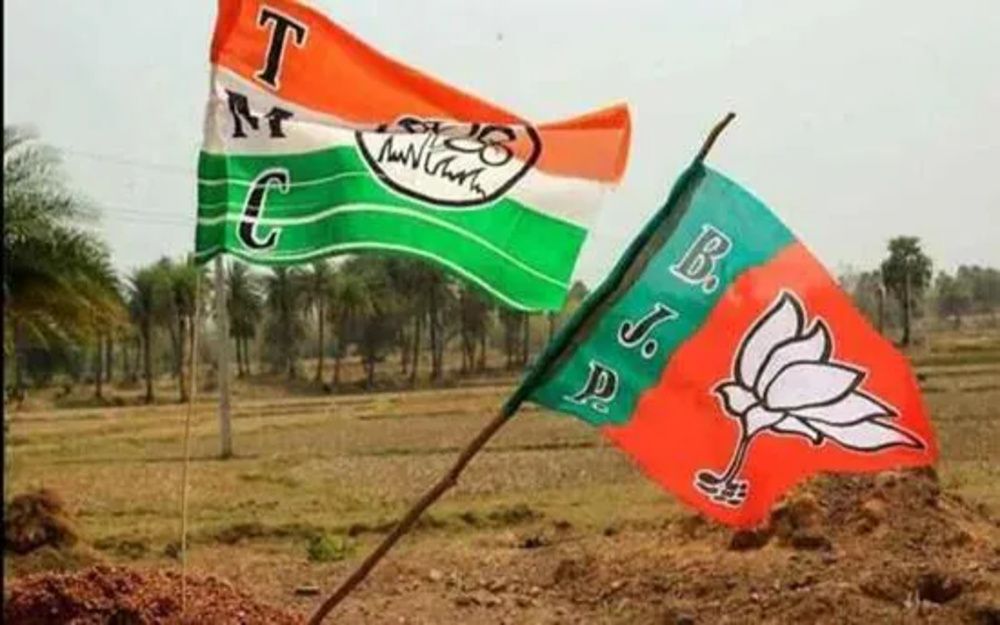
TMC accuses BJP of influencing roll changes; BJP pushes national issues and strategy.
-
Political temperature high with national parties paying close attention to Bengal results.
GG News Bureau
Kolkata,West Bengal 9th January -“West Bengal assembly elections 2026 voter roll dispute”, “Mamata Banerjee SIR criticism and EC controversy”, “BJP-TMC West Bengal political battle 2026”, “Special Intensive Revision impact on Bengal voters”, “West Bengal poll strategy news Jan 2026”
West Bengal remains a hotbed of political activity as the state gears up for its 2026 Assembly elections. The Election Commission’s Special Intensive Revision (SIR) of electoral rolls — designed to update and clean voter lists — has become a focal point of controversy, with intense pushback from the ruling Trinamool Congress (TMC). Chief Minister Mamata Banerjee alleges the SIR process is flawed, saying many eligible voters, particularly the elderly and infirm, are being wrongly deleted from the rolls and that travelling long distances for hearings imposes undue hardship. She has also labelled the EC’s app used for revisions as “illegal and unconstitutional.”
The political environment is highly charged as West Bengal prepares for elections due by May-June 2026; these polls will shape the future leadership of a crucial eastern state of India. TMC and opposition parties, especially the BJP, are engaging in vigorous campaigning and public statements as they try to influence voter sentiment and strengthen ground operations.
Public debates are also increasing around issues raised by the voter revision exercise — especially perceptions of bias and administrative overreach — with arguments going beyond technical electoral updates into larger questions about political fairness and representation. Analysts see this as setting the stakes for broader clashes between state leadership and national election authorities.
