
Delhi Breathes Easy as GRAP Stage-III Curbs Lifted
Strong winds push AQI down to 236; CAQM revokes severe pollution restrictions across NCR

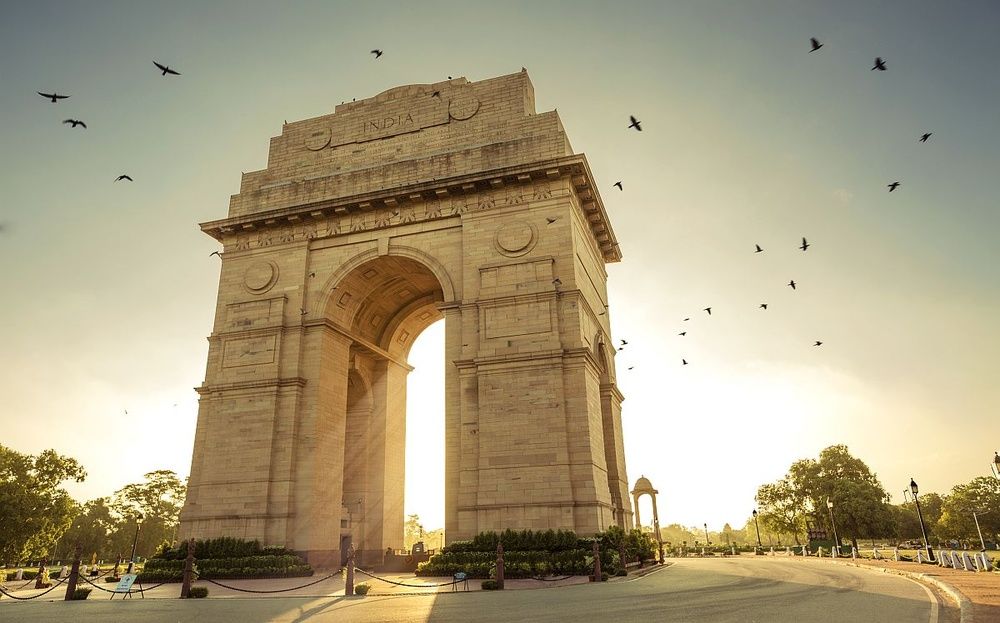
- Delhi’s AQI dropped from 380 to 236 by January 2 evening
- CAQM revoked all Stage-III GRAP restrictions across NCR
- Construction, mining and transport curbs eased
- Stage-I and Stage-II pollution controls remain in force
GG News Bureau
New Delhi, 2nd Jan: Residents of Delhi and the National Capital Region (NCR) received much-needed relief on Friday as a sharp improvement in air quality led to the lifting of severe pollution curbs.
After the Air Quality Index (AQI) touched 380 on Wednesday, strong winds and improved weather conditions brought down pollution levels significantly. By 4 PM on January 2, 2026, Delhi’s AQI dropped to 236, indicating a steady downward trend.
Taking note of the improvement and forecasts from the India Meteorological Department (IMD), the Commission for Air Quality Management (CAQM) revoked all Stage-III restrictions under the Graded Response Action Plan (GRAP) across the NCR. Stage-III measures are imposed when air quality reaches the “Severe” category.
With the curbs lifted, most construction projects, mining activities and stone crushers can resume operations. Restrictions on older vehicles have been eased, while schools and offices that had shifted to hybrid modes or limited attendance can return to normal functioning.
However, CAQM clarified that Stages I and II of GRAP — applicable under “Poor” and “Very Poor” AQI levels — will continue to remain in force. These include mechanised road sweeping, water sprinkling, dust control at construction sites, a strict ban on open waste burning and enhanced vehicle emission checks.
Authorities across Delhi, Haryana, Uttar Pradesh and Rajasthan have been instructed to strictly enforce these measures to prevent air quality from deteriorating again. The Commission also warned that units earlier shut for pollution violations cannot resume operations without explicit clearance.
Citizens have been urged to follow pollution-control advisories, maintain their vehicles, avoid unnecessary idling and use public transport or carpooling wherever possible. CAQM said the situation will continue to be monitored on a daily basis.
