

Poonam Sharma
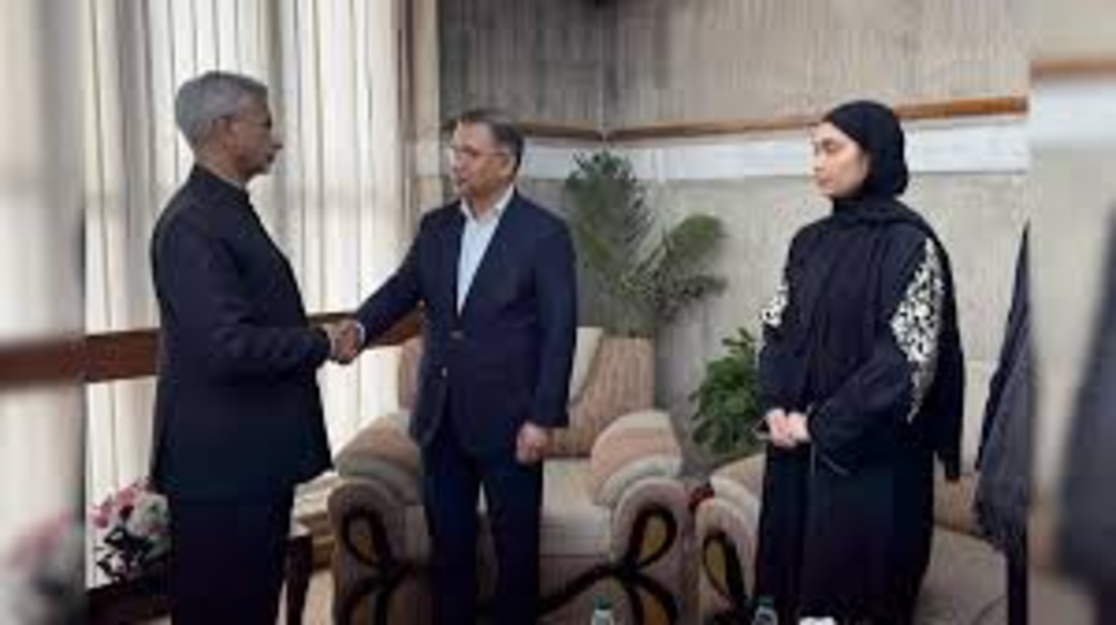
The Geopolitics of a Funeral
This centers on the strategic “maturity” of India’s foreign policy. While Khaleda Zia’s BNP (Bangladesh Nationalist Party) has historically been seen as less friendly to India than Sheikh Hasina’s Awami League, then it can be argued that India is choosing protocol and long-term stability over petty rivalry.
1. The Significance of Jaishankar’s Visit
Protocol vs. Politics: Despite past tensions, Jaishankar representing India at the last rites of a former Prime Minister is a sign of respect. PM Modi issued a very respectful tweet, acknowledging their past meetings (like in 2015).
Neutralizing the “Anti-India” Narrative: By attending, India makes it difficult for the BNP to claim India is “partial” or only supports one side. If the BNP leadership accepts this gesture with honor, it weakens the extremist narrative that India is an enemy of the Bangladeshi state.
The “Dharma” of Diplomacy references can be put Indian philosophy, noting that once someone passes away, enmity should end. Respecting the deceased is a core tenet being applied to foreign policy.
2. BNP vs. Jamaat-e-Islami: The Internal Rift
The Alliance Strain: The BNP recently allied with Jamaat-e-Islami (an Islamist party). This has caused a backlash among BNP’s own female supporters and moderate members who don’t want to return to a regressive era.
Street Power vs. Silence: While Jamaat creates “noise” and chaos on the streets, the “silent majority” (especially women and the youth) is wary. It can be compared Jamaat’s loud but small presence to a psychological game—trying to look more powerful than they actually are.
The “India Card”: There is a prediction that Jamaat will try to use Jaishankar’s visit to attack Tarique Rahman (Khaleda Zia’s son), claiming he is “sold out” to India, in an attempt to spark street protests and return to the chaos of 2024.
3. The Economic Reality: The Textile Crisis
A popular narrative in Bangladesh that India is “destroying” their textile industry this can be debunked
Raw Material Costs: Bangladesh previously imported cheap cotton and raw materials from India. Under the current political climate, some stopped these imports.
The Result: Now, Bangladesh procures materials at much higher dollar rates from elsewhere, making their exports uncompetitive compared to India’s. The “silent majority” realizes that the anti-India stance is actually hurting their own pockets.
4. India’s Objective: Stability Over Ideology
Functional Democracy: India’s preference is for a functional political party (like the BNP) to be in power rather than an unstable NGO-led government or an extremist organization.
The China Comparison: It can be noted that India talks to China despite major border issues because China is a “sensible” state actor. India wants a similar functional relationship with Bangladesh where dialogue is possible, even if disagreements exist.
India’s Stance Moving from being “pro-one-party” to “pro-Bangladesh stability.” Khaleda Zia’s Legacy Her passing creates a “sympathy factor” that will impact the 2025 elections. The Jamaat Factor can be Seen as a destructive force that the BNP might eventually need to distance itself from to stay viable.2026 Water Treaty A looming deadline for the Farakka Water Treaty, making diplomatic engagement now even more critical.
