

Poonam Sharma
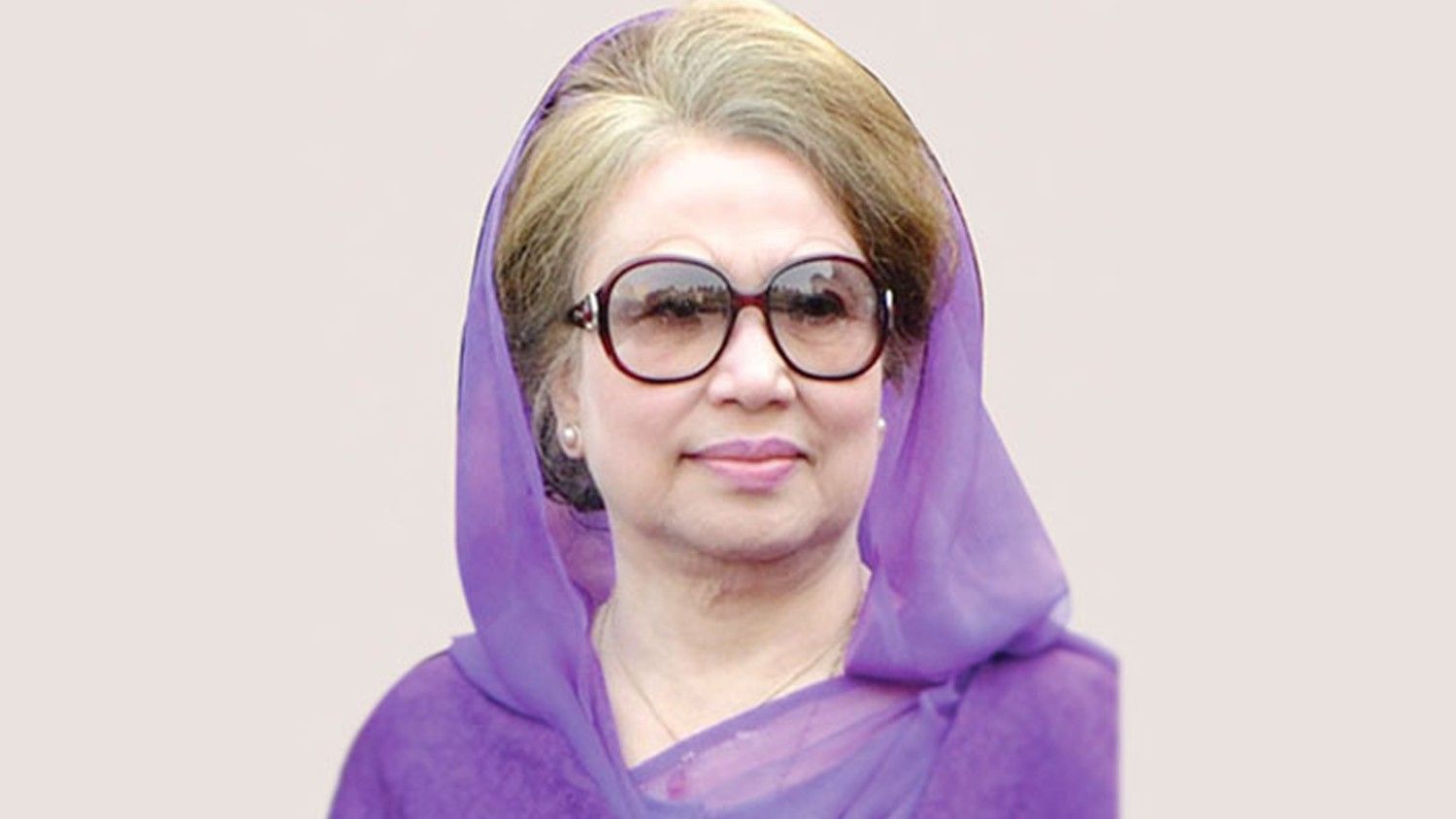
Begum Khaleda Zia, Bangladesh’s first woman Prime Minister, passed away leaving behind a political legacy that shaped the nation for more than four decades. Her life story is not merely about power or office; it is about how personal tragedy, historical upheaval, and political will converged to transform an unlikely woman into one of South Asia’s most formidable leaders.
Early Life: A Quiet Beginning
Khaleda Zia was born on August 15, 1945, in Dinajpur, in what was then British India. She grew up in a modest, traditional household, far removed from the corridors of power. Her upbringing was shaped by discipline, family values, and education. She studied at Surendranath College, but her early aspirations were rooted more in family life than public ambition. Few could have predicted that this reserved young woman would one day stand at the center of Bangladesh’s turbulent political landscape.
Marriage to Ziaur Rahman: Life Before Politics
In 1960, Khaleda married Ziaur Rahman, an army officer whose life would become deeply entwined with Bangladesh’s birth as a nation. During the Liberation War of 1971, Ziaur Rahman emerged as a national hero, later becoming President. Throughout these years, Khaleda remained largely outside public life, devoted to her family and children. Politics was not her calling then; she was known as a dignified and private figure, standing quietly behind her husband.
Tragedy That Changed Everything
The defining turning point in Khaleda Zia’s life came on May 30, 1981, when President Ziaur Rahman was assassinated in a military coup attempt. Overnight, she became a widow — not just bereaved, but thrust into the center of national uncertainty. The shock was deeply personal, yet it was also political. With the Bangladesh Nationalist Party (BNP) suddenly leaderless, party elders turned to Khaleda Zia, believing her moral authority and composure could hold the party together.
From Reluctant Entrant to Political Leader
Khaleda Zia did not step into politics with ambition; she entered it with hesitation. But once she did, she learned quickly. In the early 1980s, Bangladesh was under military rule, and democratic voices were suppressed. Khaleda rose within the BNP ranks, eventually becoming party chairperson. She endured arrests, harassment, and house confinement, yet gradually transformed into a symbol of civilian resistance against authoritarian rule. Her calm demeanor masked an unyielding resolve.
Making History: First Woman Prime Minister
In 1991, following the restoration of parliamentary democracy, Khaleda Zia led the BNP to victory in national elections. She was sworn in as Prime Minister, becoming the first woman to hold the post in Bangladesh and one of the first female leaders in the Muslim world. Her ascent marked a historic moment — not just for women, but for a nation reclaiming its democratic voice after years of military dominance.
Governance, Reforms, and National Challenges
Khaleda Zia’s tenure as Prime Minister focused on democratic consolidation and economic reform. She played a key role in shifting Bangladesh from presidential to parliamentary governance, strengthening institutional democracy. Her government expanded education initiatives, particularly for girls, and encouraged private-sector growth, including the garment industry that would later become a backbone of the economy.
Yet governance was never smooth. Her time in office was marked by political unrest, opposition boycotts, and frequent street agitation — a reflection of Bangladesh’s deeply polarized political culture.
The “Battling Begums”: A Defining Rivalry
No account of Khaleda Zia’s life is complete without mentioning her rivalry with Sheikh Hasina, leader of the Awami League and daughter of Sheikh Mujibur Rahman. Their rivalry — often termed the “Battling Begums” — defined Bangladeshi politics for decades. It was a contest not just of personalities, but of competing political legacies, ideologies, and visions for the nation. While divisive, their rivalry kept electoral politics alive in a volatile environment.
Later Years: Legal Battles and Declining Health
After serving multiple terms (1991–1996, 2001–2006), Khaleda Zia’s later years were overshadowed by corruption cases, imprisonment, and prolonged illness. Her supporters claimed the charges were politically motivated; her critics saw them as accountability. Years of incarceration severely affected her health, leaving her physically weakened but symbolically powerful. Even in decline, she remained a rallying point for her party and supporters.
Legacy: Beyond Power and Politics
Begum Khaleda Zia’s life was one of contradiction and courage — shaped by grief, sustained by resilience, and defined by leadership under pressure. She transformed personal tragedy into public purpose and left behind a political legacy inseparable from Bangladesh’s democratic journey. Loved by supporters, contested by critics, and respected even by rivals, she remains a towering figure in the nation’s history.
Her story endures not because she was flawless, but because she stood firm — again and again — when history demanded strength.
