

Poonam Sharma
Article 25 of the Indian Constitution guarantees every citizen the freedom to profess, practise, and propagate religion, subject to public order, morality, and health. This balance is deliberate. It neither permits unchecked religious assertion nor tolerates intimidation in the name of cultural or political mobilisation.
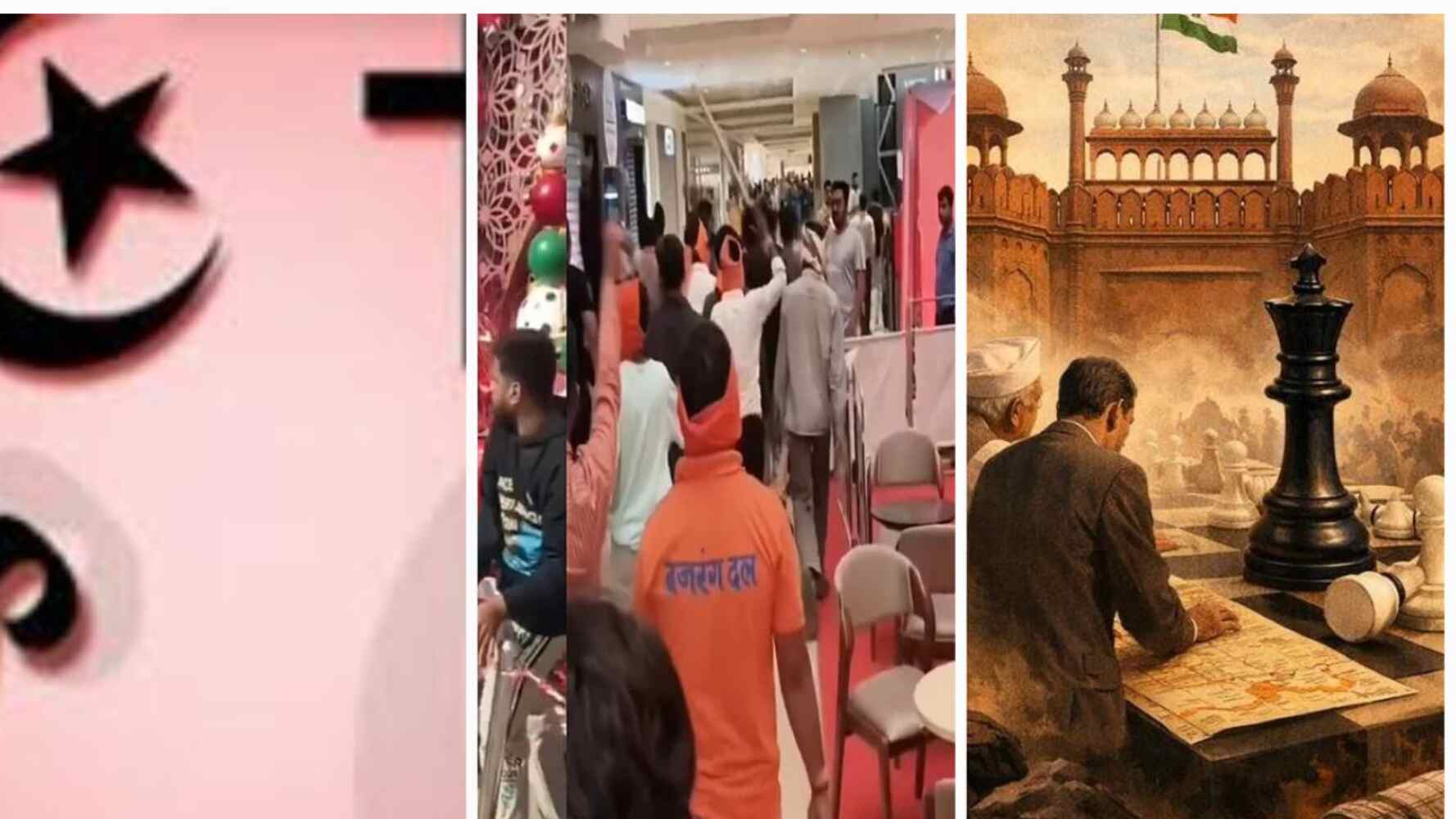
When mobs vandalise religious symbols or intimidate worshippers, the issue ceases to be sectarian. It becomes a constitutional failure—of enforcement, deterrence, and trust. The state’s duty is not to weigh the popularity of a religion but to uphold equal protection under law.
The Unspoken Parallel: Hindu Festivals, Violence, and Silence
However, this debate cannot remain one-sided. Over the years, incidents during Hindu religious occasions—stone-pelting during Durga Puja processions in parts of West Bengal and Bihar, attacks on temples, disruption of religious installations, and tensions during idol immersions—have repeatedly been reported locally but often failed to sustain national or international media attention.
Similarly, allegations of forced or coercive religious conversions in parts of the Northeast and tribal belts have surfaced intermittently, yet rarely trigger the kind of sustained editorial focus seen in cases involving Christian institutions. This perceived asymmetry fuels resentment and deepens communal mistrust. Many ask: is violence against Hindu religious expression seen as routine, while attacks on minority institutions are framed as existential threats to secularism?
Media’s Role: Reporting Facts or Framing Narratives?
In a democracy, media is not merely a chronicler of events; it is a shaper of public understanding. When coverage appears selective—amplifying certain incidents while marginalising others—it risks becoming a participant in polarisation rather than a check against it.
This is not a question of diminishing the seriousness of attacks on Christians. Every such incident deserves condemnation. But constitutional morality demands consistency. Violence against a church, a temple, a mosque, or a procession must be reported with equal gravity, context, and persistence.
The credibility of Indian media, and its moral authority, rests on this balance.
Politics, Mobilisation, and the Street
Religious identity, when mobilised politically, often migrates from belief to confrontation. Slogans, rumours, and symbolism escalate tensions quickly, particularly during festivals. Whether protests are framed as resistance to conversion or expressions of faith, the state must intervene early—with dialogue, visible security, and clear consequences for lawbreakers.
Silence, hesitation, or perceived bias only emboldens extremists on all sides.
The Way Forward: Law, Dialogue, and Equal Sensitivity
First, strict and impartial enforcement of law—irrespective of ideology or religion. Second, proactive interfaith engagement at the local level, especially before major festivals. Third, media introspection to ensure parity in coverage. And finally, political leadership that condemns violence without qualifiers.
Conclusion: India’s Idea Is Trust, Not Fear
India’s constitutional promise is not the protection of one faith over another, but the dignity of all. Fear during Christmas, Durga Puja, Eid, or any religious observance represents a collective failure. Religious freedom is meaningful only when accompanied by equal security, equal empathy, and equal visibility.
The question before the nation is not whose festival was attacked—but whether India’s conscience responds equally, every time.
