
Rani Ropuiliani: Forgotten Queen Who Defied Empire in Mizoram
Colonial Amnesia and the Northeast

Poonam Sharma
Indian history textbooks often reduce the freedom struggle to a few urban narratives, leaving the Northeast marginalized. Rani Ropuiliani’s story challenges this erasure. She was not merely a regional figure but a symbol of indigenous resistance against imperial domination.
The British Invasion of Mizo Lands
In 1890, British forces launched coordinated attacks across Mizo territories to dismantle tribal sovereignty. These invasions were justified under the colonial logic of “civilizing missions,” but in reality, they were brutal land grabs. Villages were burnt, resources seized, and traditional governance dismantled.
A Queen Who Refused Submission
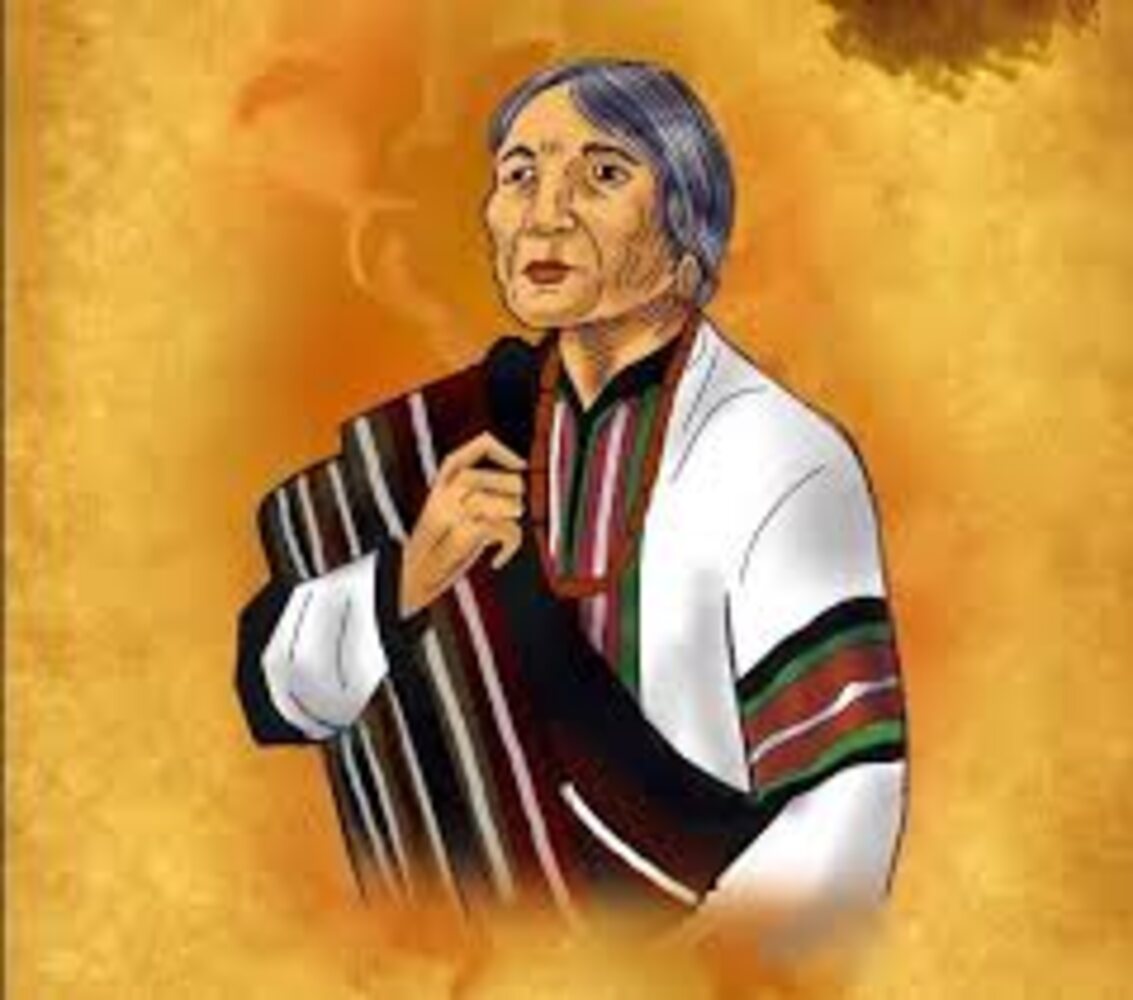
Born in 1828, Rani Ropuiliani emerged as a leader after the death of her husband, King Lalsavunga. Rather than accepting British suzerainty, she organized resistance, mobilized warriors, and defended her people’s autonomy. Her leadership disrupted the colonial myth that tribal societies were incapable of organized governance.
Capture, Torture, and Martyrdom
The British could not defeat her militarily. She was eventually captured through deceit and subjected to inhuman torture. On 3 January 1895, Rani Ropuiliani was martyred. Her death was meant to terrorize the Mizos into submission—but it seeded a legacy of defiance.
Constitutional India and Historical Justice
Independent India has a constitutional duty to honor such figures. Article 51A obligates citizens to cherish the noble ideals of the freedom struggle. Remembering Rani Ropuiliani is not symbolic—it is corrective justice.
Why Her Story Matters Today
At a time when indigenous identities face cultural dilution, Ropuiliani’s life asserts dignity, self-rule, and courage. She represents a feminism rooted not in borrowed theory but lived resistance.
Rewriting National Memory
India’s freedom was not gifted—it was fought for in forests, hills, and forgotten frontiers. Rani Ropuiliani deserves a central place in the national conscience, not footnotes.
