

Poonam Sharma
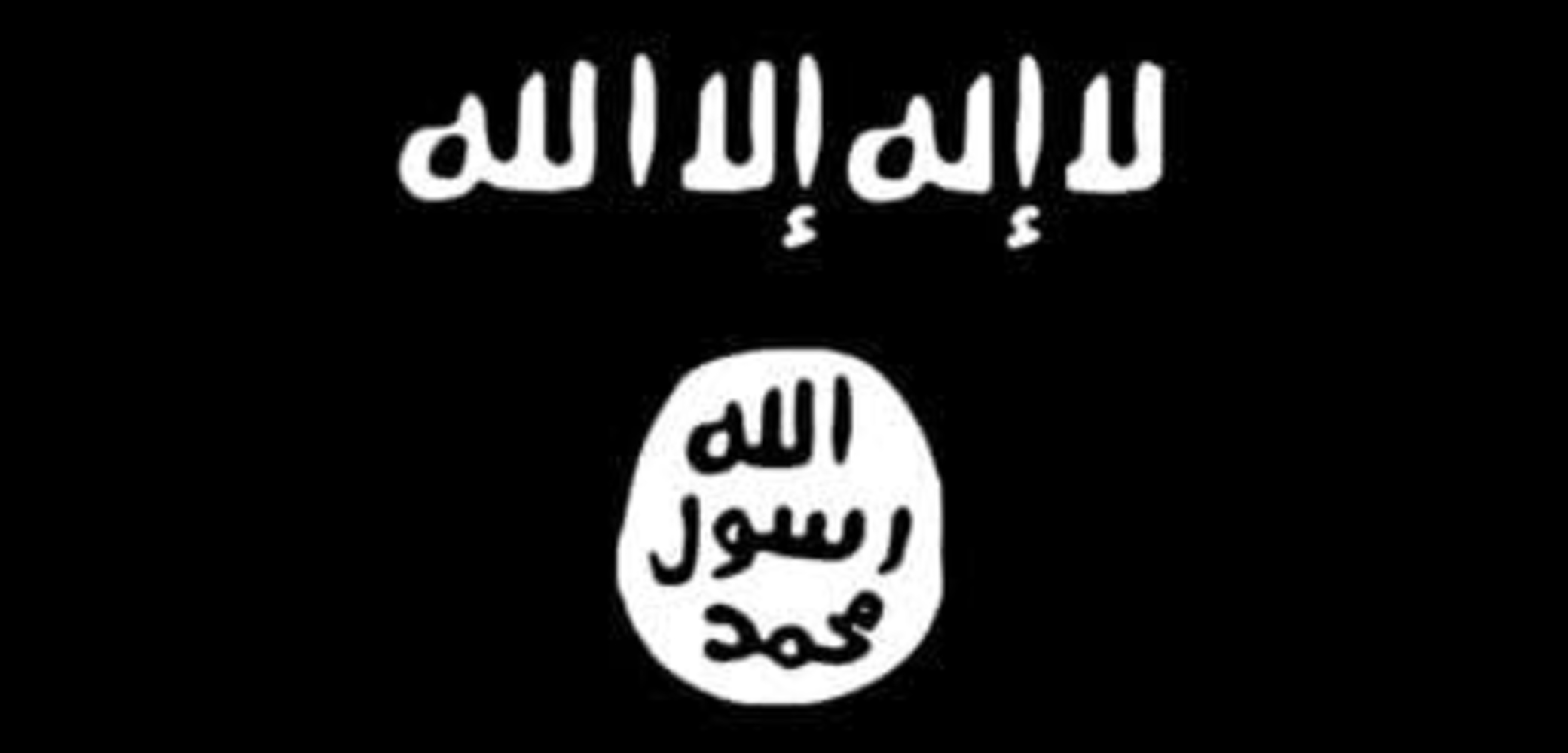
For a country born out of a secular liberation struggle, the sight of black ISIS flags being waved openly on Bangladeshi streets is not just alarming—it is deeply symbolic. Symbols matter in politics and in extremism even more so. They are rarely spontaneous. They are statements, tests, and warnings.
Bangladesh today stands at a dangerous crossroads, where political uncertainty, moral ambiguity, and ideological vacuum are converging. The question is no longer whether extremist ideas exist beneath the surface—history already answers that. The real question is: why do these symbols feel emboldened enough to surface now?
Beyond Denial: Extremism Doesn’t Need Formal Entry
For years, Bangladeshi authorities have officially denied the presence of ISIS within their borders, often framing incidents of terror as the work of “local lone wolves” or homegrown radicals with no international linkage. Technically, that argument may still hold. Extremist organisations rarely need passports or offices to “enter” a country.
What they need is space—social, ideological, and political space.
The reappearance of ISIS symbolism does not necessarily mean a structured ISIS command has arrived in Bangladesh. What it does suggest is more troubling: the normalisation of extremist imagery, and the erosion of fear around openly displaying it. This shift does not happen overnight. It happens when enforcement weakens, when political focus drifts, and when public outrage is dulled by constant instability.
Political Flux and the Cost of Moral Neutrality
Bangladesh’s current instability is not just about power transitions or street violence; it is about the collapse of moral clarity. In times of upheaval, political actors often believe silence or neutrality will protect them. In reality, it creates a vacuum—and vacuums invite the most radical forces first.
The growing prominence of Muhammad Yunus in political discussions, whether as a reformist alternative or an international favourite, adds another layer to this uncertainty. Yunus enjoys global credibility, particularly in Western policy and academic circles. But global approval does not automatically translate into domestic stability.
A critical question remains insufficiently addressed: who controls the street narrative when institutions appear distant or distracted? Extremist groups thrive precisely in these moments—when legitimacy is contested and authority is fragmented.
The Shadow Network Problem
South Asia’s extremist ecosystem has never respected borders. Bangladesh’s geography places it between multiple fault lines: porous borders, historical Islamist networks, Rohingya refugee camps vulnerable to radicalisation, and long-standing underground groups like Jamaat-linked factions.
ISIS ideology does not need to build from scratch here. It only needs to rebrand existing anger, give it global vocabulary, and provide it with theatrical symbolism. A black flag does that efficiently. It converts local rage into global jihadist identity.
That is why dismissing these incidents as “isolated” is dangerously complacent. Extremism works incrementally. First come symbols. Then slogans. Then silence. And only later, violence.
The International Gaze and Selective Alarm
Another uncomfortable truth: Bangladesh’s instability is being watched—but selectively. Global actors often prioritise electoral optics, economic continuity, and strategic convenience over ideological red flags. As long as instability does not spill across borders or disrupt markets, warnings remain muted.
This selective blindness has consequences. Extremist movements interpret global silence as tacit permission. When terror symbols appear without strong international condemnation, it sends a subtle message: this issue is negotiable.
History—from Syria to Libya to Afghanistan—shows how costly such delays can be.
- India’s Stakes: More Than a Neighbour’s Problem
For India, developments in Bangladesh are not a distant concern. Shared borders, cultural ties, and security interdependence mean that radicalisation across the border does not stay contained.
The Siliguri Corridor, Northeast India, and coastal security are all indirectly affected by Bangladesh’s internal trajectory. A destabilised Bangladesh with emboldened extremist symbols is not just a humanitarian or democratic issue—it is a strategic vulnerability.
Ignoring early warning signs has never worked in South Asia. The region’s security architecture depends on anticipating ideological shifts, not reacting to their aftermath.
The Real Test Ahead
Bangladesh does not need panic. It needs moral decisiveness.
This means clear rejection of extremist symbolism, consistent enforcement of law without political calculations, and an honest public conversation about radicalisation pathways. It also means that those aspiring to national leadership must go beyond economic credentials or international applause and articulate where they stand on ideological extremism—clearly and publicly.
Because in moments like these, silence is not neutrality. It is surrender.
The appearance of ISIS flags is not yet a verdict. It is a question—posed to the Bangladeshi state, its society, and its neighbours. How it is answered will determine whether this moment becomes a warning heeded—or a chapter regretted.
