
Saudi Arabia, UAE Deport Thousands of Pakistanis Over Begging Concerns
Riyadh deports 24,000 Pakistanis in 2025; Islamabad warns organised networks are hurting country’s image

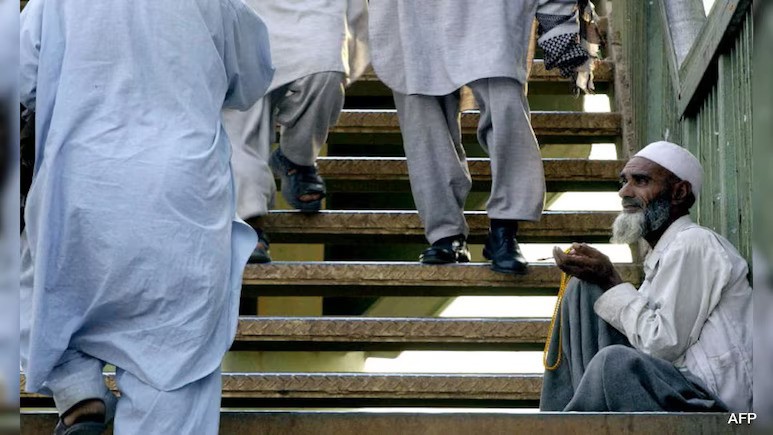
GG News Bureau
Riyadh, 19th Dec: Saudi Arabia and the United Arab Emirates have stepped up scrutiny of Pakistani nationals amid growing concerns over organised begging and criminal activity abroad, a trend Pakistani authorities acknowledge is damaging the country’s international reputation.
Saudi Arabia has deported around 24,000 Pakistani nationals this year over allegations of begging, while the UAE has imposed visa restrictions on most Pakistani citizens, citing concerns that some were engaging in criminal activities after arriving in the country.
Data from Pakistan’s Federal Investigation Agency (FIA) underscores the scale of the issue. In 2025, authorities offloaded 66,154 passengers at airports as part of efforts to dismantle organised begging syndicates and curb illegal migration. FIA Director General Riffat Mukhtar said these networks were causing serious reputational harm to Pakistan.
Mukhtar noted that the problem is not confined to the Gulf region. Similar cases have been detected involving travel to Africa and Europe, along with the misuse of tourist visas to destinations such as Cambodia and Thailand. According to the FIA, Dubai deported about 6,000 Pakistani nationals on similar allegations, while Azerbaijan sent back nearly 2,500 Pakistani beggars.
The issue had already drawn strong attention from Saudi authorities in 2024, when Riyadh formally urged Pakistan to stop beggars from misusing Umrah visas to travel to Mecca and Medina for alms. Saudi Arabia’s Ministry of Religious Affairs warned at the time that failure to act could have negative implications for Pakistani Umrah and Hajj pilgrims.
Legal experts in Pakistan have also flagged the problem as systemic. Writing in Dawn last year, lawyer Rafia Zakaria described begging as a highly organised enterprise rather than a result of individual desperation. She noted that Pakistani beggars had increasingly expanded operations abroad, particularly around holy sites in Mecca and Medina, where pilgrims are often harassed for money.
Government officials have echoed similar concerns. In 2024, Secretary of Overseas Pakistanis Zeeshan Khanzada said an overwhelming majority of beggars detained in West Asian countries were Pakistani nationals, estimating the figure at around 90 per cent.
The developments have intensified pressure on Islamabad to strengthen enforcement, regulate overseas travel and dismantle organised networks to prevent further diplomatic and reputational fallout.
