
IndiGo Crisis Deepens as Cancellations Surge Nationwide
Crew shortages, new FDTL norms and tech glitches leave thousands of passengers stranded

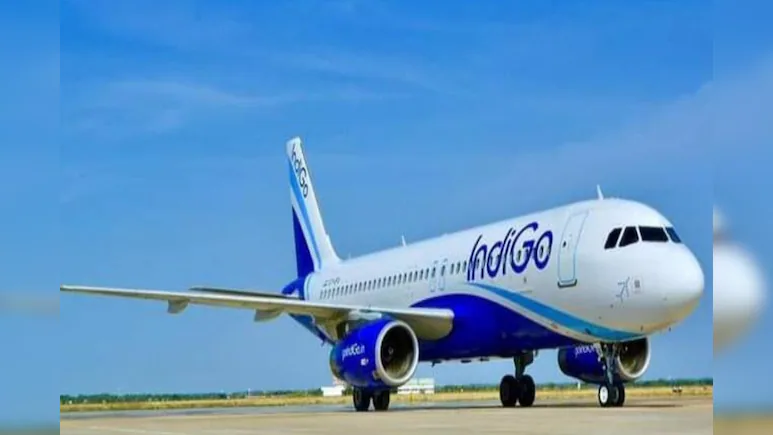
- IndiGo’s on-time performance drops to 35% amid large-scale delays and cancellations.
- Nearly 200 flights hit across major metros; crew shortage tied to new duty-time rules.
- Hyderabad, Bengaluru and Delhi airports see long queues, stranded passengers and public anger.
- Airline issues apology and begins schedule cuts to stabilise operations over the next 48 hours.
GG News Bureau
New Delhi, 3rd Dec: IndiGo, India’s largest airline, is battling one of its most severe operational breakdowns in recent years as widespread delays and cancellations continue to disrupt air travel across the country. Government data released on Tuesday showed the airline’s on-time performance collapsing to just 35 per cent, a steep fall for a carrier long known for punctuality.
The disruption intensified on Wednesday, with airports in Delhi, Mumbai, Bengaluru and Hyderabad reporting close to 200 cancellations by afternoon. The aviation grid came under pressure as crew shortages—particularly pilots—hit IndiGo’s ability to staff flights following the implementation of revised Flight Duty Time Limitation (FDTL) norms last month. The new rules mandate longer rest periods and more humane rosters, forcing IndiGo to realign its expansive network.
Sources said several flights were grounded due to a lack of available cabin crew, while many others faced delays stretching up to eight hours. With IndiGo controlling more than 60 per cent of India’s domestic market, the disruption spilled over into the wider aviation system.
In a statement, IndiGo acknowledged that operations had been “significantly disrupted” over the past two days. The airline cited “unforeseen operational challenges,” including minor technology glitches, winter schedule changes, bad weather, airport congestion and the rollout of updated FDTL rules as factors that compounded the crisis.
FDTL norms cap crew duty hours at eight hours a day, 35 hours a week, 125 hours a month and 1,000 hours a year. They also mandate rest periods equal to twice the duration of a flight, with a minimum of 10 hours rest in any 24-hour cycle. The DGCA introduced these norms to reduce fatigue and enhance flight safety.
To contain the crisis, IndiGo said it had begun “calibrated adjustments” to its schedules for the next 48 hours to restore stability. The airline assured passengers of alternative travel options or refunds where applicable.
The crisis was visible across major airports. In Hyderabad, long queues formed early Wednesday morning after 33 IndiGo flights were cancelled. Rajiv Gandhi International Airport later issued an advisory stating that operations remained normal and urged travellers to contact the airline for updates.
Arrivals from Visakhapatnam, Goa, Ahmedabad, Delhi, Bengaluru, Chennai, Madurai, Hubli, Bhopal and Bhubaneswar were cancelled, along with outbound flights to Delhi, Bengaluru, Bhubaneswar, Hubli and Bhopal.
Bengaluru’s Kempegowda International Airport also faced substantial disruptions, with 42 domestic flights cancelled, including 22 arrivals and 20 departures. Services to Delhi, Mumbai, Chennai, Hyderabad, Goa, Kolkata and Lucknow were among those hit.
Frustrated passengers took to X to voice their grievances. One traveller in Hyderabad wrote, “I have been stranded since 3 a.m. and have missed an important meeting.” Another posted, “My Udaipur flight has been delayed multiple times—from 1:55 PM to 2:55 PM, now 4:35 PM. I was informed only three minutes before entering the airport.”
At Delhi Airport, operations were further strained by a slowdown in the Amadeus system, which handles check-ins, reservations and departure control for several airlines. The tech issue resulted in long queues and slower processing, worsening delays already triggered by manpower shortages.
With the situation still unstable, IndiGo urged travellers to check flight status regularly and reiterated its commitment to “minimising disruption” as recovery efforts continue.
