
Inside the BMMA Report: How Muslim Women in Bharat Are Rewriting Their Future
“Bharatiya Muslim Mahila Andolan Report: A Transformational Insight Into the Aspirations of Muslim Women in Bharat.”

Paromita Das
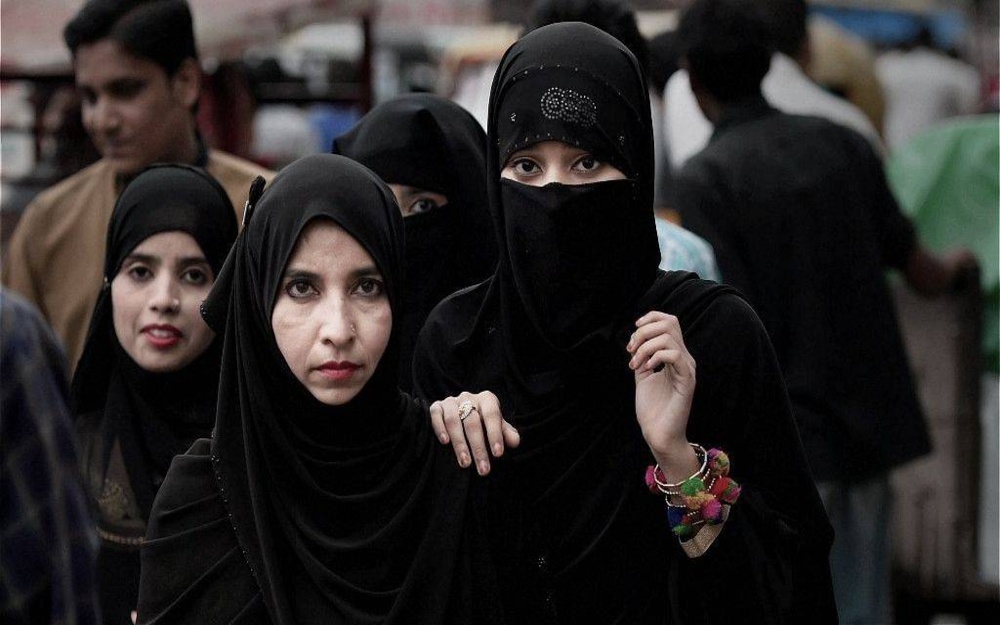
New Delhi, 1st December: In a country as vast and layered as Bharat, the voices of marginalized communities often get lost in broad generalizations. Yet, every once in a while, a document emerges that refocuses the national conversation with clarity, honesty, and purpose. The Bharatiya Muslim Mahila Andolan (BMMA) Report is one such moment. Rather than projecting assumptions onto Muslim women, it allows them to speak directly—revealing aspirations that are bold, reflective, and deeply rooted in a desire for progress. The report does more than record their voices; it reframes them as architects of their own futures.
A Quiet Revolution in Identity and Agency
What makes the BMMA report particularly compelling is its shift away from portraying Muslim women as silent subjects. Instead, they appear as informed participants navigating a rapidly changing society. Their views challenge long-held stereotypes, presenting a picture of women who are eager to shape their educational, legal, economic, and personal journeys with a renewed sense of agency. This isn’t a story of rebellion; it’s a story of quiet transformation—powered not by conflict, but by clarity and aspiration.
Education: The First Bridge to Empowerment
A standout theme in the report is the centrality of education. Across regions and age groups, Muslim women repeatedly highlight schooling and higher studies as essential stepping stones to autonomy. They recognize education as more than an academic pursuit; it’s an entry point into confidence, negotiation, and independence. As they describe aspirations for professional careers—ranging from engineering and medicine to teaching and entrepreneurship—they dismantle outdated assumptions about their ambitions. The report makes it clear: for many Muslim women, education is not optional. It is foundational.
Legal Awareness: Reclaiming Rights and Representation
One of the most significant revelations from the BMMA findings is the rising legal consciousness among Muslim women. Issues such as marriage, divorce, custody, inheritance, and domestic violence are no longer topics spoken about behind closed doors. Instead, women actively seek clarity about their rights under both personal and constitutional law.
Yet, challenges remain. Complex legal language, social hesitation, and limited access to reliable information often impede progress. The demand for legal literacy programs—community workshops, digital resources, and simplified guidance—is strong and urgent. This shift signals a new era where Muslim women do not simply rely on intermediaries but want to understand the law for themselves and advocate for their rights with certainty.
Marriage, Consent, and the Call for Reform
Marriage and family life, traditionally seen as sensitive and private topics, emerge within the report as areas of thoughtful critique. Women emphasize the importance of consent, fairness, and transparency in marital decisions. Their demand for reforms—whether in property distribution, safeguards against unilateral divorce, or protections rooted in equality—reflects a nuanced understanding of balancing faith with constitutional values. Muslim women are not abandoning tradition; they are reinterpreting it in ways that honor both belief and dignity.
Health and Well-Being: A Holistic Demand
Health remains a fundamental concern for many women surveyed. From maternal care and menstrual hygiene to mental health resources, the report captures a multifaceted view of well-being. For these women, healthcare isn’t simply a service—it’s a guarantee that allows them to pursue education, work, and leadership roles without compromising physical or emotional stability. Their emphasis on holistic health highlights how deeply interconnected well-being is with empowerment.
Economic Independence: The Foundation of Personal Freedom
The BMMA report underscores a rising desire for financial independence. Whether through employment, entrepreneurship, or improved financial literacy, Muslim women increasingly view economic empowerment as the backbone of self-determination. Understanding budgeting, savings, and banking practices strengthens their ability to participate equally in household decisions and long-term planning. Economic autonomy emerges as one of the strongest pathways to social equality.
Claiming Space in Public and Social Life
One of the most transformative insights from the report is the growing enthusiasm among Muslim women to engage in community leadership, local governance, and public dialogue. They want visibility—not as symbols, but as contributors. Their involvement in social committees and civic decisions represents a shift away from passive representation toward active participation. It’s a clear signal that many women want not only to be heard but also to influence the systems that shape their lives.
The Interconnected Web of Empowerment
What the BMMA report captures beautifully is the interconnected nature of empowerment. Education fuels legal awareness; legal understanding strengthens economic choices; economic stability enhances health; and all of these together build the confidence needed to participate in public life. Empowerment is not a single action—it’s a chain reaction.
Diversity, Faith, and Reinterpretation
Another striking feature of the report is its acknowledgment that Muslim women are not a monolithic group. Their beliefs, interpretations of faith, cultural expressions, and aspirations differ widely. Still, many express a desire to align religious practices with modern interpretations of gender equality. This balance between faith and freedom underscores a thoughtful, introspective approach that goes beyond cliché debates.
A Blueprint Policymakers Cannot Ignore
This report demands more than admiration—it requires action. Policymakers, activists, educators, and social organizations must recognize that Muslim women have articulated their needs with precision. What they require now is not advocacy on their behalf, but collaboration that respects their autonomy. Too many policies are still shaped from outside the community. The BMMA findings remind us that sustainable empowerment can only emerge when women’s voices guide the solutions.
A Future Shaped by Voices Long Overlooked
The Bharatiya Muslim Mahila Andolan report offers a rare and powerful look into the minds and dreams of Muslim women across Bharat. They are informed, ambitious, aware, and increasingly unafraid to define their place in society. Their aspirations challenge stereotypes and illuminate a future where Muslim women are not silent participants but active drivers of change. As Bharat strives toward a more inclusive and equitable tomorrow, amplifying and supporting these voices will be essential—not only for Muslim women but for the nation as a whole.
