

By Pooman Sharma
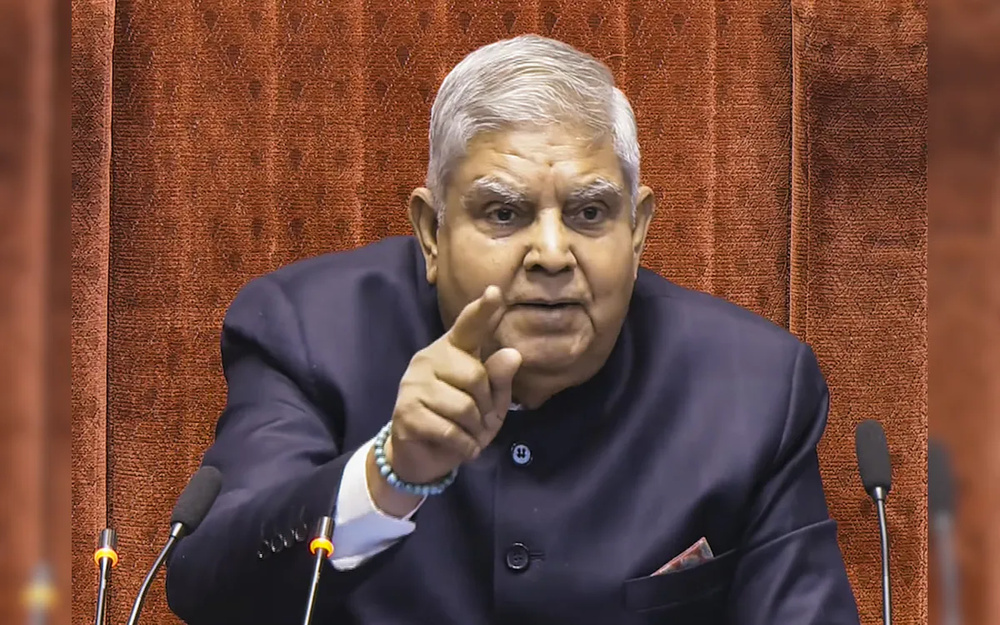
A dramatic twist in New Delhi’s political theater has left parties and pundits scrambling for explanations. Jagdeep Dhankhar-who shocked the capital with his abrupt resignation as Vice-President back in July-has reappeared at the centre of intense speculation after a string of private meetings with top BJP leaders and public gestures that critics say denote a volte-face. With Enforcement Directorate action against business heavyweight Anil Ambani making headlines at the same time, observers are asking whether this is a coincidence or the reshuffling of influence and alliances behind the scenes.
Dhankhar’s sudden exit from the Vice-Presidency in July was officially attributed to health reasons. But the timing and the rapid political ripples that followed prompted immediate scrutiny in both Houses of Parliament and among alliance partners. Within days of his resignation, the Rajya Sabha was left to be chaired by Deputy Chairman Harivansh as acting Chairman-an arrangement that underlined how swiftly the institutional balance in the Upper House had altered.
Related Posts
Since then, several reports have surfaced of private meetings between top government functionaries and Dhankhar. Reports in the Indian media suggest that Union Home Minister Amit Shah has met with Prime Minister Narendra Modi over the fallout, and central leadership has held consultations that some see as damage control-or, according to a different reading-reconciliation talks. Dhankhar himself has been photographed at national events alongside the Prime Minister, an image which political commentators say speaks to a thawing of public distance.
Meanwhile, political gossip and social-media chatter have run ahead of formal statements. Unnamed sources quoted in regional outlets and televised debates have hinted that Dhankhar has provided explanations — even apologies — to the party brass, and that he may be accommodated with a major role in the near future. For the present, those claims remain unconfirmed in any official word; senior leaders have kept their counsel, saying no more than that consultations continue and that decisions will be taken through the due processes of the party. Journalists following the story warn that “talk” of an appointment is still in the realm of speculation rather than fact.
Adding fuel to the intrigue is the concurrent escalation of probes into Anil Ambani’s business interests. Over the past weeks, the Enforcement Directorate (ED) has attached and frozen substantial assets linked to the Reliance Anil Dhirubhai Ambani Group as part of money-laundering and bank-fraud probes—moves that have dominated financial pages and created a volatile backdrop for political manoeuvring. Reuters and other agencies report provisional freezing of assets worth hundreds of millions of dollars and high-profile attachments in multiple cities. The scale and visibility of these actions have generated widespread debate about timing and motive.
Some commentators-and a smattering of opposition voices-have speculated about a connection between the Ambani-ED developments and the political reshuffle around Dhankhar. Those links are at best circumstantial in the public domain: investigative agencies have released operational details about financial irregularities and attachment orders, while political sources point to a separate, internal process of reconciliation and reassignment. No credible reporting yet substantiates quid pro quo or a direct transactional link between the two strands. Responsible reporting therefore treats the connection as unproven and subject to further evidentiary disclosure.
Meanwhile, Harivansh — the Rajya Sabha Deputy Chairman who took over the chair immediately after Dhankhar’s exit — has not only discharged the immediate institutional responsibilities but his profile has risen in the short term. Parliamentary watchers say that the increased visibility of the deputy chairman — chairing sessions and interacting with the President’s office — places him in a strategically important position as parties negotiate the next moves for the Vice-Presidential vacancy. Whether or not Harivansh’s role will be further enhanced depends on the way the NDA settles on a successor and how alliance partners push their claims.
What does this all add up to?
For now, New Delhi is watching three parallel tracks: the formal legal and financial investigations into high-value corporate transactions; the intra-party consultations and public optics surrounding Jagdeep Dhankhar’s return to the political foreground; and the scramble among allies to influence who fills the Vice-Presidential post and other key institutional slots. Till parties or investigative agencies provide further verifiable disclosures, much of the narrative will remain a mix of confirmed events and politically charged conjecture. For readers, the takeaway is caution: significant developments are underway, but clear lines of causality — in particular those linking legal maneuvers with political appointments — have not been publicly drawn. Expect continued media scrutiny and, likely, more official statements in coming days as New Delhi tries to convert rumor into record.
