
The Nehru-Gandhi Dynasty: A Legacy of Corruption, Luxury, and Betrayal
“Unveiling Decades of Corruption, Privilege, and Betrayal Behind Bharat’s Most Powerful Family.”


By Dr. Kumar Rakesh
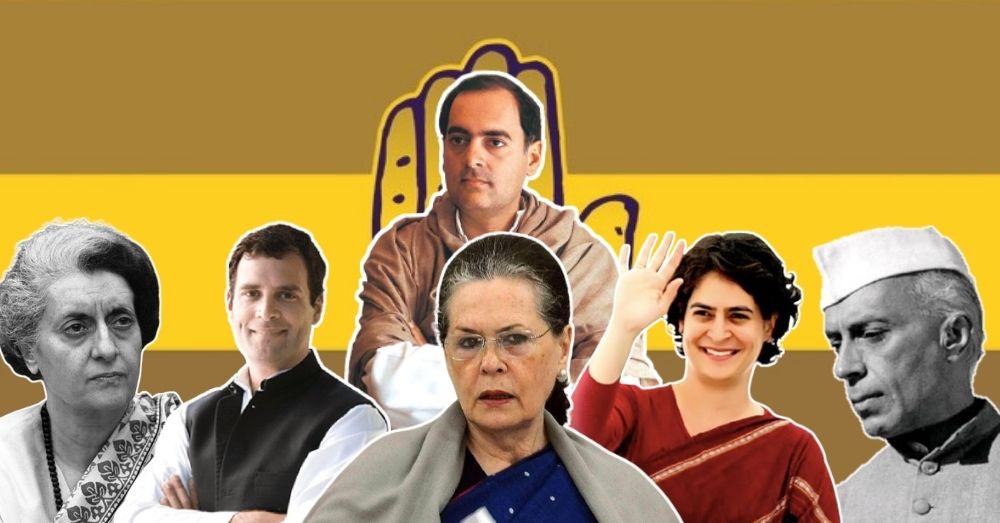
For decades, the Nehru-Gandhi family has been hailed as Bharat’s foremost political dynasty — a symbol of leadership, vision, and continuity. Yet, beneath the grand speeches and carefully curated image of public service lies a shadowed legacy — one marred by corruption, misuse of public resources, and personal indulgence. From Jawaharlal Nehru to Rahul Gandhi, each generation has carried forward a pattern of excess that mocks the ideals of democracy they so often invoke.
Nehru’s Era: The Birth of Cronyism
Jawaharlal Nehru, often celebrated as the architect of modern Bharat, also laid the foundation for a troubling culture of favoritism and financial opacity. The Jeep Scandal of 1948 became the first major corruption case of independent India, involving the purchase of overpriced, second-hand jeeps for the army by Nehru’s close associate, V.K. Krishna Menon. Despite clear irregularities, Nehru shielded Menon from accountability — setting a dangerous precedent where loyalty outweighed integrity.
Nehru’s own misuse of state resources further reflected the dynasty’s early sense of entitlement. Reports suggest that government aircraft were occasionally used for personal errands, including trivial tasks such as fetching imported cigarettes. While publicly preaching austerity, Nehru’s private indulgences revealed a growing disconnect between image and reality — one that would deepen in later years.
Indira Gandhi: The Authoritarian Turn
Under Indira Gandhi, the dynasty’s hunger for control and extravagance reached new heights. The Emergency (1975–77) not only silenced dissent but also normalized the use of government machinery for personal comfort. Public funds were routinely diverted for lavish receptions, grand celebrations, and expensive state visits that blurred the line between official duty and private opulence.
Her son Sanjay Gandhi’s rise marked another chapter of unchecked nepotism. From influencing business deals to bending state laws for personal benefit, the family’s grip over national institutions became near-absolute. Indira’s regime institutionalized corruption — turning governance into a family-run enterprise where personal ambition dictated public expenditure.
Rajiv Gandhi: Scandals and Extravagance
When Rajiv Gandhi took office, many hoped for a modern, reformist leader. Instead, his tenure became a symbol of luxury amid national crisis. The Bofors scandal, which exposed kickbacks in defense deals, shattered his clean image. While ordinary citizens battled inflation and unrest, Rajiv was known for extravagant parties and retreats at Kanha, Ranthambore, Lakshadweep, and the Andaman Islands.
One infamous gathering at Ranthambore saw Bollywood stars performing at a private event for the Prime Minister — all at the taxpayer’s expense. As Bharat grappled with riots and insurgencies, its leader was busy hosting elite celebrations. Rajiv’s lifestyle reflected a dynasty cocooned in privilege, detached from the everyday struggles of its people.
Sonia and Rahul Gandhi: The Entitlement Continues
In the modern era, Sonia and Rahul Gandhi have carried forward the same tradition of entitlement under a more polished, media-savvy veneer. Multiple investigations and allegations — from money laundering through party trusts to questionable land deals — continue to shadow their political careers.
Rahul Gandhi’s frequent foreign getaways, often termed “spiritual retreats,” have drawn criticism for his absence during national crises. The image of an heir apparent more comfortable abroad than among his people reinforces the perception of a dynasty distant from ground realities. Their personal comfort, luxury homes, and elite lifestyle contrast sharply with the struggles of the common Bharatiya they claim to represent.
Lavish Parties and the Cost to the Nation
Across generations, the Nehru-Gandhi family’s celebrations have been funded, directly or indirectly, by the public. Rajiv Gandhi’s wildlife sanctuary parties and island vacations — complete with military logistics, aircraft, and security arrangements — turned governance into spectacle. Even during Indira’s tenure, official receptions often doubled as private gatherings of the elite, consuming resources that could have been used for welfare and development.
Each such event symbolized more than extravagance — it exposed a culture of entitlement, where national resources became tools for personal display. The true cost was borne by the taxpayers and by a nation that expected leadership, not luxury.
A Dynasty Bound by Concealment
From Nehru’s early favoritism and cover-ups to the modern Gandhis’ financial controversies, the pattern remains the same — protect the family at all costs. Each generation has inherited not just power but also the mechanisms to evade accountability. Behind every speech about sacrifice lies a long trail of privilege, deceit, and concealment.
This is not just a political failure; it is a moral one — where the ideals of democracy have been reduced to slogans while corruption and excess thrive behind closed doors.
The Urgent Call for Accountability
Seventy-five years since independence, Bharat continues to grapple with the consequences of dynastic dominance. The Nehru-Gandhi family’s legacy — wrapped in glamour but rooted in greed — is a stark reminder of how unchecked power can hollow out democracy from within.
True progress demands transparency, not entitlement. For Bharat to move forward, it must break free from the cycle of inherited privilege and demand accountability from those who have long lived off its name. Democracy cannot flourish where politics remains a family business.
It is time to end the illusion — and reclaim governance for the people.
About Author -:
Dr. Kumar Rakesh, Sr Journalist, Author, Political Analyst, Poet, Broadcaster has been active in Journalism, Media & Communications more than 37 years at national & global level. He has worked in Times of India group, Hindustan Times Group, Indian Express group, Dainik Bhaskar Group like many esteemed media organizations in Bharat and has been instrumental in creating more than 9 TV news channels in the country. Through his career, he has had the opportunity to travel to over 50 countries with many Presidents, Vice Presidents, Prime Ministers & others with reporting and writing. He has engaged in many research projects related with history, politics & global media advocacy for Bharat. Dr. Rakesh has received numerous accolades and honors both in Bharat and internationally for his contributions to the field of Media, Communications, Global Media Advocacy & culture. Currently, he has been serving as the Editorial Chairman of Global Governance News Group & Samagra Bharat Media Group, New Delhi with associates in more than 20 countries. contact-krakesh8@gmail.com
