
Inside the Political Storm: Sonia Gandhi, Navin Chawla, and Electoral Integrity
“Sonia Gandhi’s Controversial Appointment of Navin Chawla: A Political Chess Move with Long-Lasting Ripples”

Paromita Das
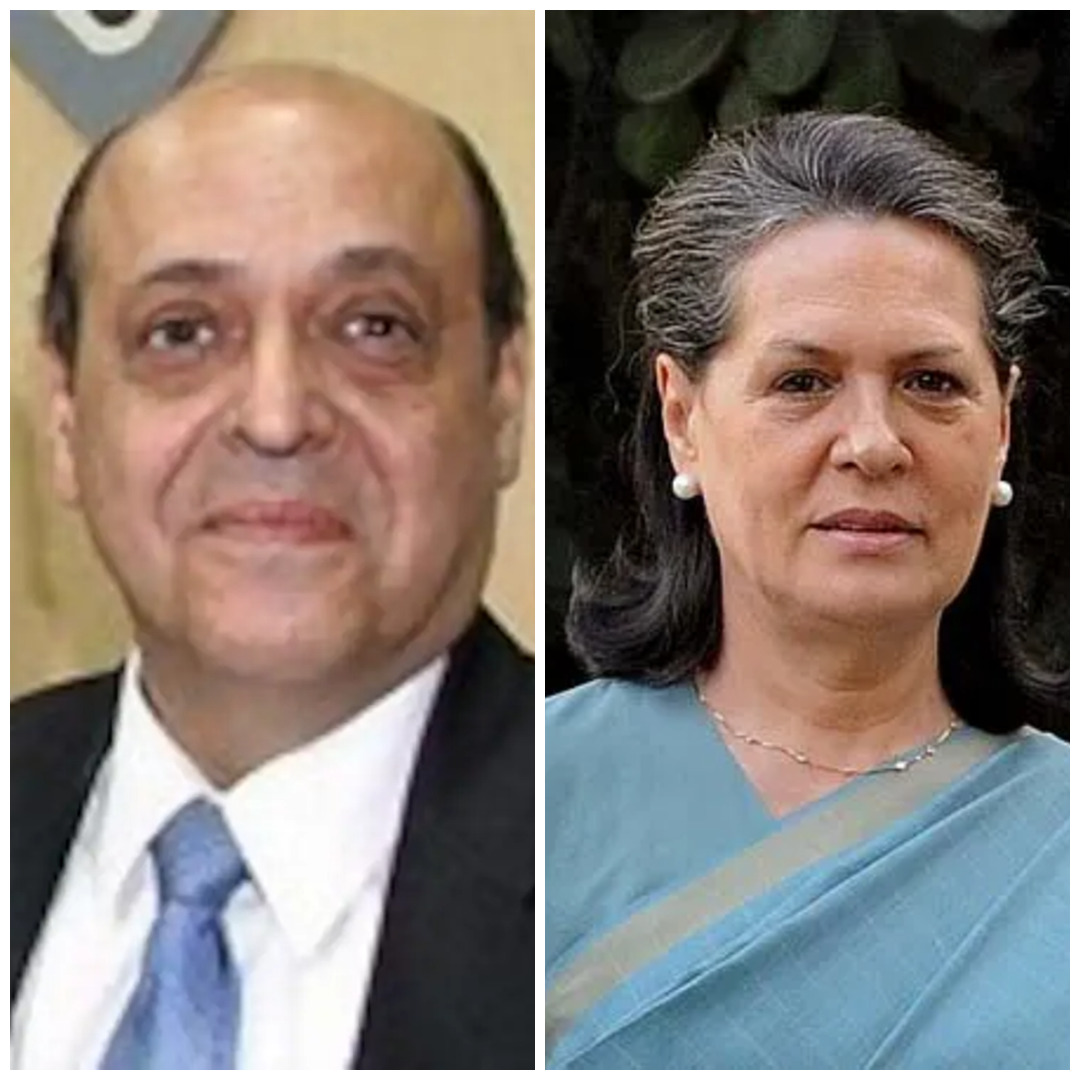
New Delhi, 8th November: In 2009, one headline sent tremors through Indian politics: “Sonia Gandhi Appoints Navin Chawla as Election Commissioner.”
Although Sonia Gandhi held no official government position — neither Prime Minister nor President — she was widely seen as the real power centre in Delhi. The appointment of Navin Chawla, a bureaucrat with deep Congress connections, was viewed as her strategic move to influence one of India’s most vital democratic institutions — the Election Commission.
Technically, the appointment was made by then Prime Minister Dr. Manmohan Singh, but the political undercurrent suggested otherwise. Many believed that Gandhi’s influence had tipped the scales. Chawla, admired for his long association with Mother Teresa, assumed the role at a politically charged moment — just ahead of the 2009 general elections.
The Controversy That Refused to Fade
Navin Chawla’s appointment did not come without controversy. His record during the Emergency (1975–77), as detailed in the Shah Commission Report, painted him as an authoritarian bureaucrat who overstepped his authority. Opposition parties, particularly the BJP, voiced serious apprehensions about his neutrality.
Even within the Election Commission, dissent brewed. Chief Election Commissioner N. Gopalaswami accused Chawla of acting with political bias and sought his removal — a rare public display of internal conflict in an institution known for its discretion. Yet, Chawla remained in his post and went on to supervise the 2009 general elections, which ultimately delivered a Congress-led UPA victory.
For critics, this only deepened suspicions of bias. For supporters, it proved his administrative resilience. Either way, the episode marked a turning point in the conversation about institutional independence in India’s democracy.
Rahul Gandhi’s “Vote Theft” Narrative: A Political Refrain Returns
Fast forward to the present. Rahul Gandhi, Congress’s most visible face, has repeatedly alleged large-scale vote manipulation and electoral malpractice in recent years. His rhetoric often paints India’s elections as compromised and the institutions that conduct them as partisan.
Political observers view this as a calculated strategy — an attempt to create distrust in democratic institutions and mobilize voter anger. Instead of challenging outcomes in courts, these claims are usually amplified through public rallies and social media, shaping perception more than policy.
However, a growing number of citizens, armed with information and digital literacy, have begun fact-checking these claims. Many see them as politically motivated attempts to shift blame rather than genuine efforts to reform the system.
Democracy Under Pressure: The Question of Institutional Integrity
From Navin Chawla’s appointment to Rahul Gandhi’s allegations, a clear pattern emerges — the struggle between political power and institutional independence. The Election Commission of India, long regarded as a guardian of free and fair polls, finds itself constantly under scrutiny.
Political interference, or even the perception of it, erodes public faith in democracy. When appointments appear politically driven or when leaders question election results without credible proof, the integrity of the system itself is jeopardized.
India’s democracy has thrived on its diversity and debate, but its institutions must remain above partisan agendas. The lesson from this ongoing saga is clear: independent institutions are not luxuries — they are lifelines of democracy.
Echoes of the Past in Today’s Political Theatre
The controversy that began with Sonia Gandhi and Navin Chawla still echoes in today’s politics. It highlights how deeply political influence can seep into democratic structures, blurring the lines between governance and control. Rahul Gandhi’s present-day “vote theft” narrative mirrors that tension — an attempt to politicize the very institutions that anchor India’s democracy.
For India to move forward, it must safeguard the autonomy of institutions like the Election Commission. Transparency in appointments, accountability in operations, and respect for electoral outcomes are essential to sustain trust.
Ultimately, the story of Navin Chawla is not just about one man or one appointment. It’s a reminder of how fragile democracy can be when power overshadows principle — and how vital it is for citizens to remain vigilant, informed, and engaged in protecting the integrity of their vote.
