
Congress’s National Security Rhetoric: Outdated and Ineffective
“Congress’s Endless Rehash: Why It Can’t Break Free from Old Narratives to Challenge BJP Effectively.”

Paromita Das
New Delhi, 1st November: In the political theatre of Bharat, the Congress party once commanded the stage with compelling narratives, championing national unity and progressive change. But today, more than a decade of electoral setbacks and strategic missteps has trapped the grand old party in a frustrating loop of repetition, recycling the same worn-out talking points that fail to resonate with an evolving electorate or mount a credible challenge to the BJP government. Congress’s inability to present fresh, logically coherent, and inspiring alternatives leaves it vulnerable, disconnected, and politically impotent against the rising tide of BJP’s dominance.
A Static Opposition Shadowing Bharat’s National Security Narrative

A glaring example of Congress’s stagnation emerges most starkly in the arena of national security. From the Uri surgical strikes to the Balakot airstrikes and the more recent Operation Sindoor, Congress’s criticism often seems to echo Pakistan’s narratives rather than Bharat’s defense forces’ valor. When Bharat responds decisively to cross-border terror threats, instead of rallying support, factions within Congress question the efficacy of operations by fixating on supposed losses or casualties, dismissing official reports and evidence. This obsession with political point-scoring over national morale reveals a deep strategic failure—the party prioritizes short-term electoral calculations over long-term nation-building narratives.
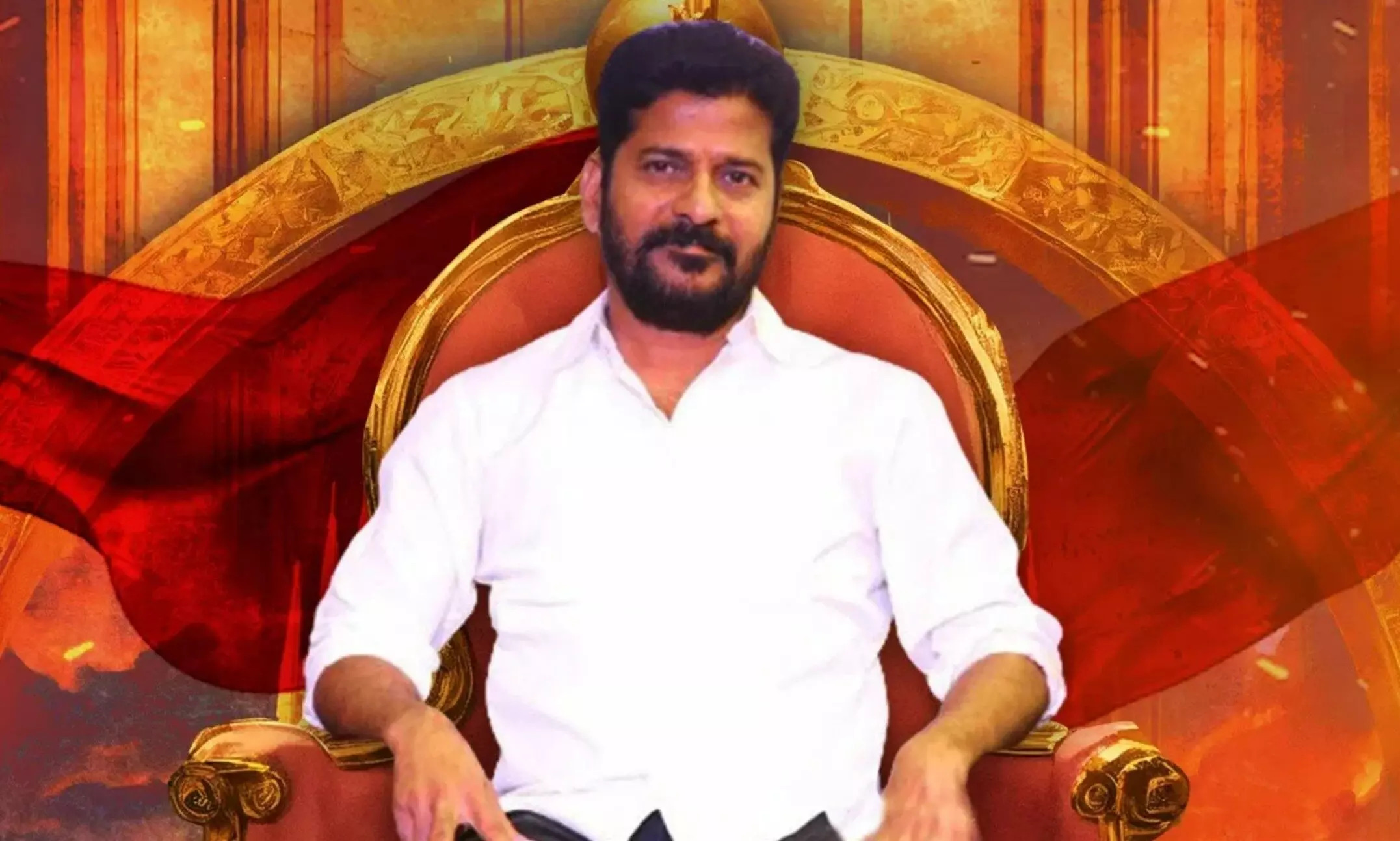
The Telangana Chief Minister Revanth Reddy’s ill-timed remarks during the Jubilee Hills by-election epitomize this dilemma. Questioning the authenticity and impact of Operation Sindoor during a campaign undermines the sacrifices of Bharat’s armed forces and offends public sentiment. Reddy’s further attempt to leverage welfare schemes as voter inducements crosses ethical boundaries, reflecting a political desperation that tarnishes democratic norms and alienates conscientious voters.
Strongly condemn Telangana CM Revanth Reddy’s below-the-belt remark on India.
He stooped so low, using derogatory language to say that Pakistan kicked us and India didn’t retaliate
It’s an insult to the armed forces who courageously destroyed terror camps in Pakistan during… pic.twitter.com/3mZhr8sdls
— Bandi Sanjay Kumar (@bandisanjay_bjp) October 31, 2025
The BJP’s Swift and Unified Response

The BJP’s immediate backlash against Congress’s missteps, including strong condemnation by Union Minister Bandi Sanjay Kumar, underscores how the opposition’s fragmented and damaging rhetoric helps consolidate BJP’s image as the party of national pride and robust governance. BJP’s framing of Operation Sindoor as a testament to Bharat’s military strength, backed by global recognition, puts Congress on the defensive. The ruling party’s narrative leverages public respect for the armed forces to turn opposition criticisms into perceived insults to national integrity.
Meanwhile, allegations that Congress aligns with minority vote-bank politics through alliances such as with AIMIM in Telangana further compound its image problem. Accusations of communal polarization and “surrender” to vote-bank interests alienate large swathes of the electorate who demand issue-based governance rather than identity politics. Congress’s failure to transcend these divisive tactics weakens its national appeal and plays into BJP’s hands.
Historical Patterns of Discord and Distrust

Congress’s approach to military operations is not new. Historical memories of leaders like P. Chidambaram questioning the Balakot strikes and Digvijaya Singh demanding “proof” for surgical strikes reveal a pattern of skepticism bordering on undermining national security narratives. Each expression of doubt, whether genuine concern or political calculation, inadvertently lends credence to enemy propaganda. This recurring stance reflects a disconnect between Congress’s leadership and the prevailing patriotic sentiment among the youth, ex-servicemen, and the general populace.
This pattern of undermining national efforts feeds voter disillusionment. Instead of rallying around national achievements, Congress’s narrative comes across as out-of-touch, lacking the coherence and optimism necessary to inspire confidence in its leadership.
Lack of Vision: Why Congress Fails to Innovate

The root cause of Congress’s repetitive narrative woes lies in deeper structural and leadership crises. The absence of vibrant new leadership capable of articulating a compelling vision, coupled with fragmentary internal power struggles, leaves Congress bereft of fresh ideas. Its media and communication strategies remain outdated, often reactive rather than proactive.
Moreover, the heavy reliance on nostalgia for past glories, rather than embracing contemporary issues such as economic reforms, digital transformation, and youth aspirations, makes Congress seem like a party relic clinging to the past. The BJP’s sharp messaging on development, national security, and cultural pride starkly contrasts with Congress’s muddled messaging, making it difficult for the latter to regain lost ground.
The Price of Political Myopia

The Congress party’s refusal or inability to break free from its entrenched narrative cycle is not merely a political problem—it is a strategic liability that threatens its survival. In an era where Bharatiya voters, especially the younger generation, seek clear, innovative governance solutions, ideological coherence, and national pride, Congress’s recycled talking points fall flat.
Latching onto divisive, negative narratives against the BJP, especially on matters as sensitive as national security, erodes public trust, alienates core constituencies, and sidelines Congress from serious policymaking debates. The party risks becoming irrelevant unless it embraces self-reflection, leadership renewal, and a forward-looking, issues-based agenda.
From Redundancy to Relevance
Congress’s predicament is a cautionary tale of what happens when a political giant clings to the comfort of familiar rhetoric in a rapidly changing political ecosystem. To counter BJP meaningfully, Congress must shed its obsolete narratives and rise above partisan point-scoring to offer fresh, logical, and patriotic alternatives that resonate nationally.
Until then, repeated electoral defeats and political marginalization will persist, frustrating idealists and voters yearning for a credible alternative. The nation deserves an opposition that respects the armed forces, champions unity, and marshals intellect and vision to safeguard Bharat’s democratic future—not one trapped in the echo chamber of its own frustrations.
