
SIR 2.0: The Electoral Battle That Could Shake 12 States
“SIR Phase Two Set to Ignite Political Turmoil: Voter Roll Revisions Trigger Controversies Across 12 Key States Ahead of Crucial Elections.”

Paromita Das
New Delhi, 29th October: The Election Commission of India (EC) has announced the second phase of the Special Intensive Revision (SIR) of electoral rolls across 12 states and Union Territories. Following the completion of a contentious yet orderly revision in Bihar, the focus now shifts to politically sensitive regions such as West Bengal, Tamil Nadu, and Uttar Pradesh. This exercise, starting after the Bihar polls, aims to ensure that voter lists are clean—free from duplicates, deceased individuals, and non-citizens. However, beneath the administrative agenda lies the potential for fresh political turmoil ahead of upcoming elections.
The Mechanism and Timeline of Phase Two

The second phase of SIR will cover Andaman and Nicobar Islands, Chhattisgarh, Goa, Gujarat, Kerala, Lakshadweep, Madhya Pradesh, Puducherry, Rajasthan, Tamil Nadu, Uttar Pradesh, and West Bengal. Unlike Assam, which is held back due to its unique citizenship rules, these states will undergo door-to-door verification from November 4 to December 4, followed by the publication of draft rolls on December 9. Eligible voters will have until January 8 to file claims or objections, with final rolls set to be released by February 7, 2026.
The EC plans to issue Unique Enumeration Forms to every voter currently registered, allowing them to verify their own or their ancestors’ inclusion relative to historical rolls from 2002–2004. Booth Level Officers (BLOs) will visit every household multiple times to collect and confirm information, ensuring a thorough verification process.
Political Reactions: Alarm, Accusations, and Contestations

The announcement of the second phase has already triggered a spectrum of political responses. Opposition parties in West Bengal and Tamil Nadu have expressed apprehension, fearing this revision could systematically disenfranchise vulnerable populations, especially minorities and migrants. “This exercise could be used as a political tool to suppress votes,” warned prominent opposition leader Mamata Banerjee in Bengal.
Similarly, parties in Tamil Nadu and Kerala have raised concerns over the timeline and transparency, demanding that the EC ensure no eligible voter is excluded and that appeals are handled fairly. In Gujarat and Rajasthan, parties contest the sudden intensification of voter verification so close to elections, alleging it disrupts campaigning and sows distrust among voters.
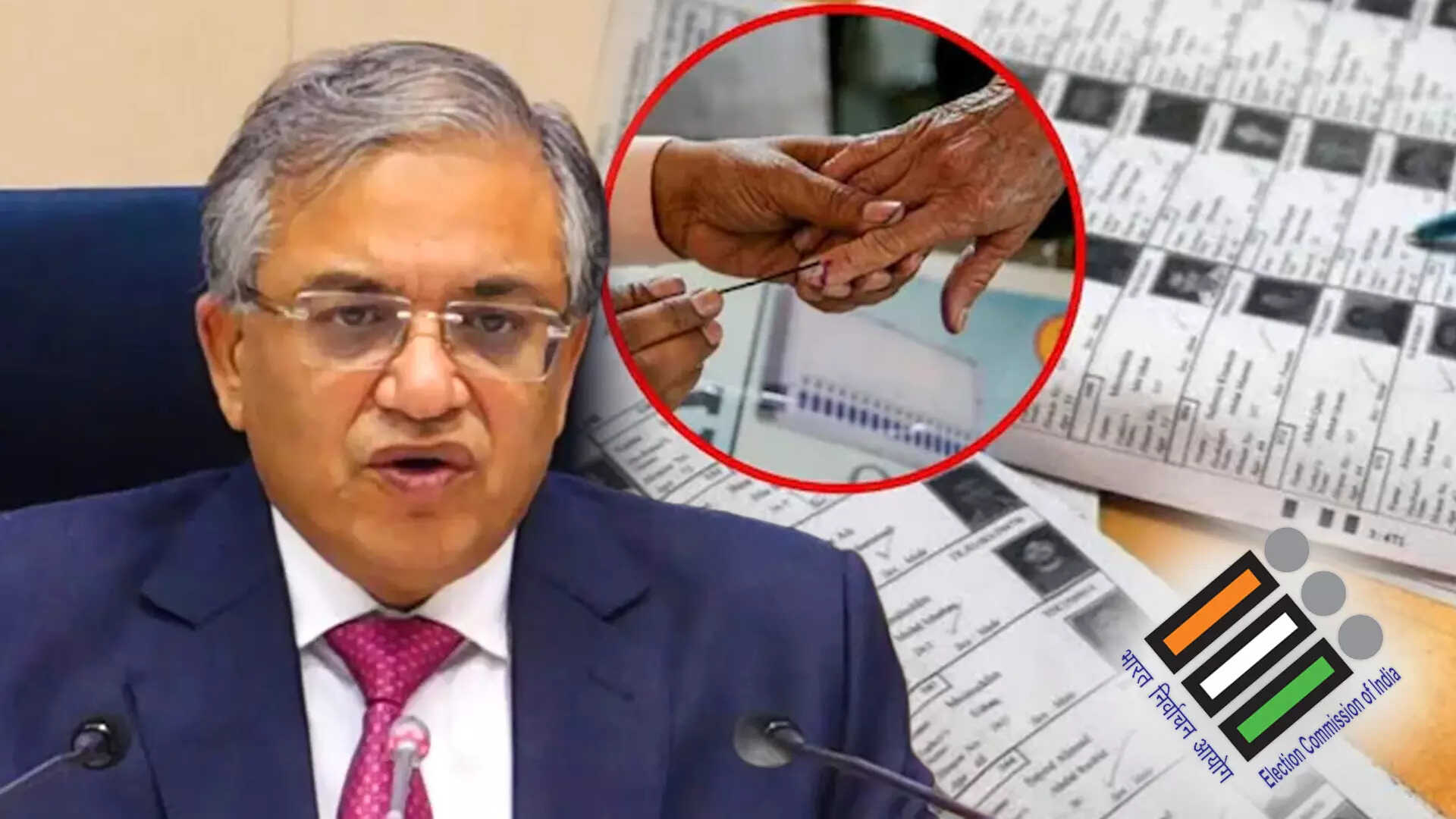
Conversely, the ruling BJP has defended the exercise, citing the Bihar phase where the EC reported zero appeals against wrongful deletions. Chief Election Commissioner Gyanesh Kumar emphasized that SIR is a constitutional mandate critical to securing electoral integrity, stating, “Updating and verifying the voter rolls is essential to a credible election process. We must ensure no non-citizen or duplicate voter influences outcomes.”
The Seeds of Political Chaos

Phase two of SIR is expected to escalate tensions particularly in states with tight electoral battles. Given recent claims in Bihar that nearly 65 lakh voters were removed under the revision—with opposition parties alleging targeted disenfranchisement—the upcoming revisions will be viewed through a political lens.
Local politicians and civil society groups fear that newly introduced documentation requirements and the freeze on rolls may marginalize economically disadvantaged groups lacking proper paperwork. Given the diversity across these 12 states—beyond Assam—this exercise could ignite regional movements protesting exclusions and alleged biases.
Why Does This Matter?

Bharat’s democracy thrives on the principle of universal adult suffrage. Electoral rolls serve as the backbone of this system. Flaws like duplicate entries or deceased voters compromise the sanctity of elections. But the politically charged environment surrounding SIR reflects a broader challenge: ensuring the accuracy of voter lists without undermining faith in the democratic process.
The EC’s role is pivotal, but the scrutiny over its neutrality intensifies. The opposition’s demand for transparency, balanced against the government’s push for clean rolls, creates an unavoidable political fault line. The next few months will test Bharat’s administrative capacity to uphold democratic norms while navigating partisan divides.
The Delicate Balance Between Fairness and Trust

While the SIR aims to protect electoral integrity, the procedural rigor must be matched by fairness and sensitivity. The Bihar phase showed impressive voter participation but also exposed distrust and political polarization. In the new phase, the Election Commission must engage stakeholders proactively and communicate clearly to avoid triggering widespread fear or skepticism.
Beyond administrative concerns, the second phase of SIR brings forth critical questions about citizenship, migration, and political representation in Bharat. Navigating this labyrinth requires transparency, judicial oversight, and constant dialogue between electoral authorities and communities.
A Test of Bharat’s Electoral Democracy
As Bharat embarks on another massive exercise to cleanse and update its voter rolls, the stakes extend beyond administrative accuracy. The second phase of SIR in 12 states is likely to bring political turbulence, fueled by fears of disenfranchisement and electoral manipulation. Political leaders’ polarized reactions are a harbinger of election year contests where every vote counts and voter confidence is paramount.
The Election Commission stands at a crossroads: it must ensure that the exercise strengthens democracy without becoming a tool of political contestation. Success will require meticulous implementation allied with transparent communication to build trust across Bharat’s diverse political landscape.
As elections approach, the integrity of the voter list may well prove as decisive as any campaign — a reminder that democracy’s strength lies as much in process as in participation.
