
Trump tariff threats, BRICS challenge ‘battle for dollar supremacy’

By Anjali Sharma
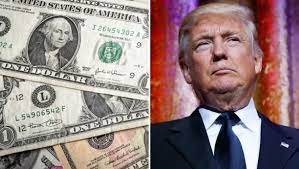
WASHINGTON – The experts said on Wednesday that the global economic order stands at a critical juncture as President Donald Trump’s recent declaration to impose 100 percent tariffs on BRICS seeking to undermine the US dollar’s dominance reverberates across international markets.
The threat encapsulates a fierce defense of America’s economic primacy amid mounting efforts by emerging economies to recalibrate the global financial architecture.
The BRICS bloc—Brazil, Russia, India, China, and South Africa represents a formidable economic coalition with a combined GDP nearly rivaling that of the traditional G7 powers.
Over the past decade, these nations have intensified efforts to reduce reliance on the US dollar by promoting local currencies in international trade and exploring alternatives, including potential common currency frameworks.
It push for “de-dollarization” signals a desire for greater economic sovereignty and a shift toward a multipolar global currency system that dilutes Western financial dominance.
China and Russia have been vocal and proactive in spearheading this challenge, seeking to circumvent US sanctions and minimize dollar exposure. India’s approach, while supportive of local currency trade within BRICS, remains more nuanced—balancing its strategic ties with the US against its economic ambitions within the bloc.
Trump’s warned of levying 100 percent tariffs on BRICS countries that threaten the dollar’s supremacy is a clear signal of Washington’s intent to maintain its monetary dominance. The tariffs, if implemented, would not only escalate trade tensions but could trigger a retaliatory spiral, disrupting global trade flows and economic stability.
The experts said such measures might reinforce the dollar’s short-term dominance by deterring overt challenges, they risk alienating key emerging markets and accelerating their resolve to seek alternatives. Higher tariffs would increase costs for consumers globally, reduce trade volumes, and potentially destabilize supply chains—outcomes detrimental to both the US and global economies.
The dollar’s status as the world’s primary reserve currency has long provided the US with unparalleled economic leverage and geopolitical influence. However, this hegemony is increasingly contested by a growing multipolar world seeking to diversify currency dependencies.
A successful BRICS-led push for de-dollarization could fragment global trade systems, leading to parallel financial ecosystems and realigned alliances.
India and China, for instance, may deepen regional trade agreements and financial cooperation in response to US tariff threats, reinforcing a shift toward economic blocs less reliant on the dollar. This realignment could diminish the US’s ability to enforce sanctions and project power through financial channels, reshaping global geopolitics.
Trump’s aggressive stance underscores the high stakes in the battle for economic dominance, but it is unlikely to halt the long-term trend toward a diversified global currency system. The dollar’s future as the undisputed global reserve currency is uncertain. While it remains entrenched today, the persistent rise of the BRICS economies and their strategic initiatives to promote alternative currencies suggest a gradual erosion of US monetary supremacy.
The critical question is not just about economics but about the evolving global order. Will the US leverage its economic might to maintain the dollar’s perch, or will the world witness a historic shift toward a more balanced, multipolar financial system?
The confrontation between Trump’s tariff threats and the BRICS push for de-dollarization highlights a pivotal moment in global economic history.
As emerging powers challenge traditional dollar dominance, the world faces potential trade conflicts, economic fragmentation, and geopolitical shifts.
Navigating this complex terrain requires careful diplomacy and recognition that the future of global finance may be less dollar-centric—and more diverse—than ever before, experts concluded.
