
Peacekeeping Needs UNSC Reforms to Be Effective: India
New Delhi asserts that legitimacy and success of peacekeeping operations depend on reforms reflecting contemporary realities.

- India ties peacekeeping effectiveness to UNSC reforms and legitimacy.
- Calls for expansion of permanent and non-permanent membership to reflect present realities.
- Harish stresses mandates must be simple, realistic, and linked to political processes.
- Notes funding uncertainty as US threatens to cut its 25% share of budget.
GG News Bureau
New York, 10th Sept: India has reiterated that United Nations peacekeeping operations can only be effective if the Security Council undergoes reforms to reflect contemporary geopolitical realities.
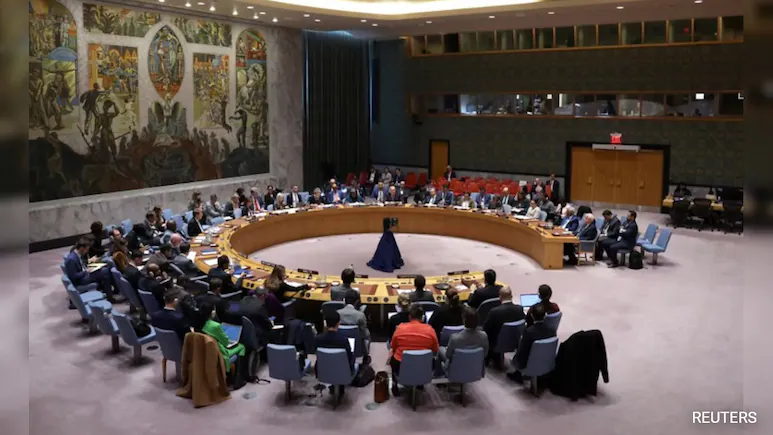
Speaking at the UN Security Council open debate on peacekeeping convened by South Korea, India’s Permanent Representative P. Harish said the effectiveness of UN missions is tied to the structure and legitimacy of the Council. He called for expansion in both permanent and non-permanent categories to include major contributors like India, which has been one of the largest troop-contributing countries.
Harish underlined that peacekeeping faces multiple political, operational, and technological challenges and stressed the need to return to the core principles of UN peacekeeping. He said mandates should be simple, realistic, and focused, noting that missions are more likely to succeed when aligned with broader political processes and backed by adequate resources.
Highlighting funding uncertainties, particularly after the US threatened to cut contributions that account for 25% of the peacekeeping budget, Harish insisted that mandates must match available resources. He further called for the withdrawal of outdated missions, indirectly pointing towards the UN Military Observer Group in India and Pakistan, which New Delhi considers obsolete.
Jean-Pierre Lacroix, Under-Secretary-General for Peace Operations, and Rosemary DiCarlo, Under-Secretary-General for Political and Peacebuilding Affairs, also emphasized the importance of clear mandates and active political engagement to prevent relapses into conflict.
