
ICC rejects new US sanctions on 4 staffers as ‘a flagrant attack’ on judicial independence

By Anjali Sharma
UNITED NATIONS – International Criminal Court on Wednesday has strongly rejected new sanctions announced by the US against 4 of its personnel in a renewed push surrounded the investigations into US and Israeli officials.
ICC stated that the sanctions target judges Kimberly Prost of Canada and Nicolas Guillou of France, 2 deputy prosecutors: Nazhat Shameem Khan of Fiji and Mame Mandiaye Niang of Senegal.
It follows the previous measures against 4 other judges and the ICC prosecutor.
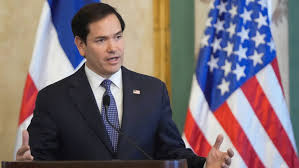
US Secretary of State Marco Rubio in a press statement announced the new round of sanctions said the ICC “is a national security threat that has been an instrument for law fare against the US and our close ally Israel.”
ICC denounced the sanctions as “a flagrant attack against the independence of an impartial judicial institution”.
The court stressed that “they constitute also an affront against the Court’s States Parties, the rules-based international order and, above all, millions of innocent victims across the world.”
ICC investigates the gravest crimes of concern to the international community, namely genocide, war crimes, crimes against humanity and the crime of aggression.
The court is based in Hague and was established under a 1998 treaty known as the Rome Statute which came into force four years later.
The United States and Israel are not among the 125 States that are party to the treaty.
ICC issued arrest warrants for Israeli Prime Minister Benjamin Netanyahu and former defence minister Yoav Gallant, together with a former Hamas commander, in connection with the conflict in Gaza, cited allegations of war crimes and crimes against humanity.
It is probing war crimes allegedly committed in Afghanistan by all sides during years of conflict, including the US, after the allied invasion of the country in May 2003.
The Court reiterated that it “stands firmly behind its personnel and victims of unimaginable atrocities” and “will continue fulfilling its mandates, undeterred, in strict accordance with its legal framework as adopted by the States Parties and without regard to any restriction, pressure or threat.”
ICC called upon “States Parties and all those who share the values of humanity and the rule of law to provide firm and consistent support to the Court and its work carried out in the sole interest of victims of international crimes.”
UN underlined the key role that the ICC has in international criminal justice and expressed concern over the imposition of further sanctions.
UN Spokesman Stéphane Dujarric told reporters in New York that “The decision imposes severe impediments on the functioning of the office of the prosecutor and respect for all the situations that are currently before the court”.
“Judicial independence is a basic principle that must be respected, and these types of measures undermine the foundation of international justice,” he concluded.
