
Modi’s UNGA 2025 Visit: Strategic Decision or Diplomatic Gamble?
“With PM Modi’s name on the UNGA 2025 roster, New Delhi treads carefully—balancing strained US trade ties, delicate Ukraine diplomacy, and domestic priorities before committing to the world stage."

Paromita Das
New Delhi, 16th August: With the 79th United Nations General Assembly (UNGA) just weeks away, Bharat remains undecided on whether Prime Minister Narendra Modi will make the trip to New York, despite his name appearing on the UN’s provisional list of speakers. The uncertainty reflects a broader web of diplomatic considerations—ranging from trade tensions with the United States to sensitive engagements with Ukraine—that will likely influence New Delhi’s final decision.
The Provisional Plan — And the Big Question Mark

According to the UN’s early schedule, Modi is slated to address the UNGA on the morning of September 26, a prime speaking slot reserved for heads of state and government. The high-level session begins on September 23 and concludes on September 29, with the US President opening the debate.
Yet, seasoned diplomats know the provisional list is far from binding. Leaders often withdraw or delegate their speaking role to foreign ministers—something Bharat has done before by sending External Affairs Minister S. Jaishankar in Modi’s place. Sources in New Delhi stress that no final call will be taken until closer to the date, making Modi’s attendance “possible, but far from certain.”
Zelensky’s Claim Stirs Speculation

Fuel was added to the fire when Ukrainian President Volodymyr Zelensky announced via social media that he and Modi had agreed to meet during the UNGA. This revelation came after a phone conversation between the two leaders, sparking speculation about a potentially high-profile diplomatic engagement in New York.
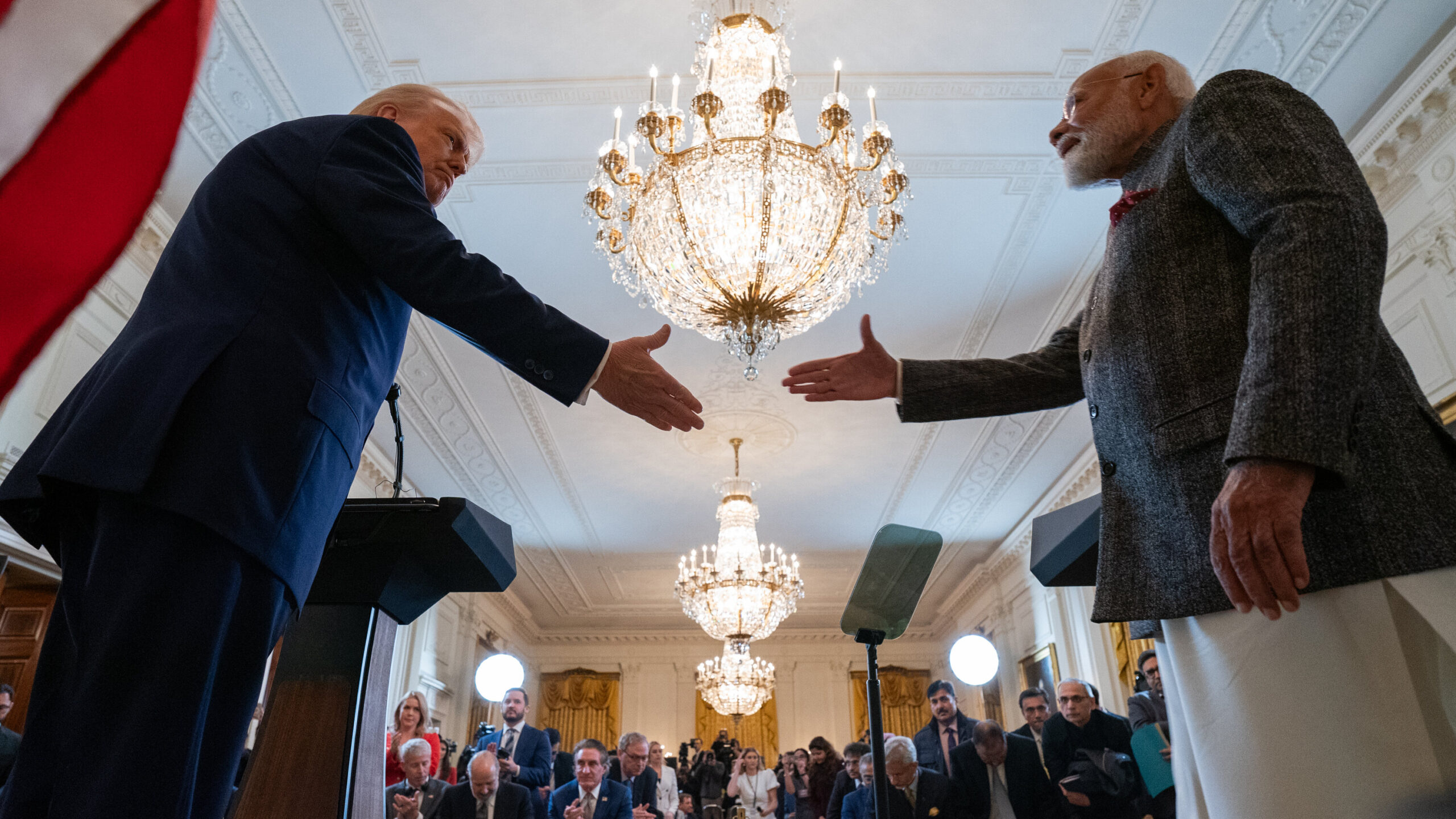
If it happens, such a meeting would not only focus on the Russia-Ukraine conflict but could also serve as an opportunity for Modi to engage with other leaders, including US President Donald Trump. However, Bharatiya officials remain cautious, noting that any such trip must be weighed against both domestic commitments and geopolitical sensitivities.
Trade Disputes Cloud US-Bharat Ties

One major complicating factor is the cooling of Bharat-US relations. The Trump administration’s decision to impose a 25% reciprocal tariff on Bharatiya goods, coupled with another 25% penalty for Bharat’s continued purchase of Russian oil, has caused visible strain.
Washington’s position has been blunt: Bharat’s discounted crude imports from Moscow, it claims, help “fuel the Russian war machine.” Trump has also publicly claimed credit for mediating an Bharat-Pakistan ceasefire in the past—remarks seen in New Delhi as undermining Bharat’s diplomatic leverage.
These tensions raise questions about whether a Modi visit to the US at this moment would yield tangible benefits or merely underscore the gaps between the two nations’ positions.
Bharat’s Careful Balancing Act

Modi’s potential trip must also be seen through the lens of Bharat’s broader diplomatic balancing. As a country seeking to maintain strategic autonomy, New Delhi must navigate relationships with both the West and Russia, while engaging constructively with Ukraine. A UNGA visit could offer a global stage to clarify Bharat’s position—but it also risks exposing the country to heightened pressure from both Washington and Kyiv over its neutral stance on the Ukraine war.
The decision will therefore hinge not only on diplomatic optics but also on substantive policy gains. If a visit can unlock progress in trade talks, reset strained ties with the US, or bolster Bharat’s global positioning, it may be worth the political capital. If not, sending the External Affairs Minister might be the more prudent path.
Why Timing Matters

The UNGA’s September session comes at a politically sensitive time for Bharat. Domestically, the government is pushing through next-generation GST reforms and ramping up the “Vocal for Local” campaign—two initiatives Modi has personally championed. Stepping away from the domestic stage during this period could send mixed signals, especially if the visit produces little concrete outcome.
On the flip side, skipping the UNGA in a year when global security and economic issues are front and centre could be perceived as Bharat stepping back from the international conversation. This perception risk is something New Delhi will weigh carefully.
The Calculated Risk of Presence

From a strategic standpoint, Modi’s presence at the UNGA could serve as a high-visibility opportunity to project Bharat’s voice on pressing global issues—climate change, economic resilience, and the reform of global institutions. It could also help position Bharat as a bridge-builder between polarized blocs, especially amid the deepening West-Russia-China divides.
However, it is equally true that the US-Bharat trade friction and Ukraine-related pressures could overshadow Bharat’s independent messaging. A poorly timed visit could see Bharat’s carefully balanced foreign policy narrative pulled into external agendas it does not wish to fully embrace.
The safest diplomatic bet might be to confirm attendance only if there is a clear agenda that plays to Bharat’s strengths—such as a major trade breakthrough, a coordinated peace proposal on Ukraine, or a joint announcement on technology cooperation with the US.
Waiting for the Right Moment
As of now, the decision on Modi’s participation in UNGA 2025 remains suspended in diplomatic limbo. The provisional schedule may list him as a speaker, but in the unpredictable world of global diplomacy, such listings are merely placeholders.
Bharat’s choice will reflect a careful cost-benefit analysis—balancing international optics against domestic priorities, and weighing strategic gains against potential diplomatic traps. Whether Modi takes the podium in New York or delegates the role, the decision will signal much about Bharat’s evolving foreign policy priorities in a world increasingly defined by multipolar tensions and transactional alliances.
