
India Forms HECI, Merging Top Education Regulators
HECI Formed, Merging UGC, AICTE, NCTE for Streamlined System.

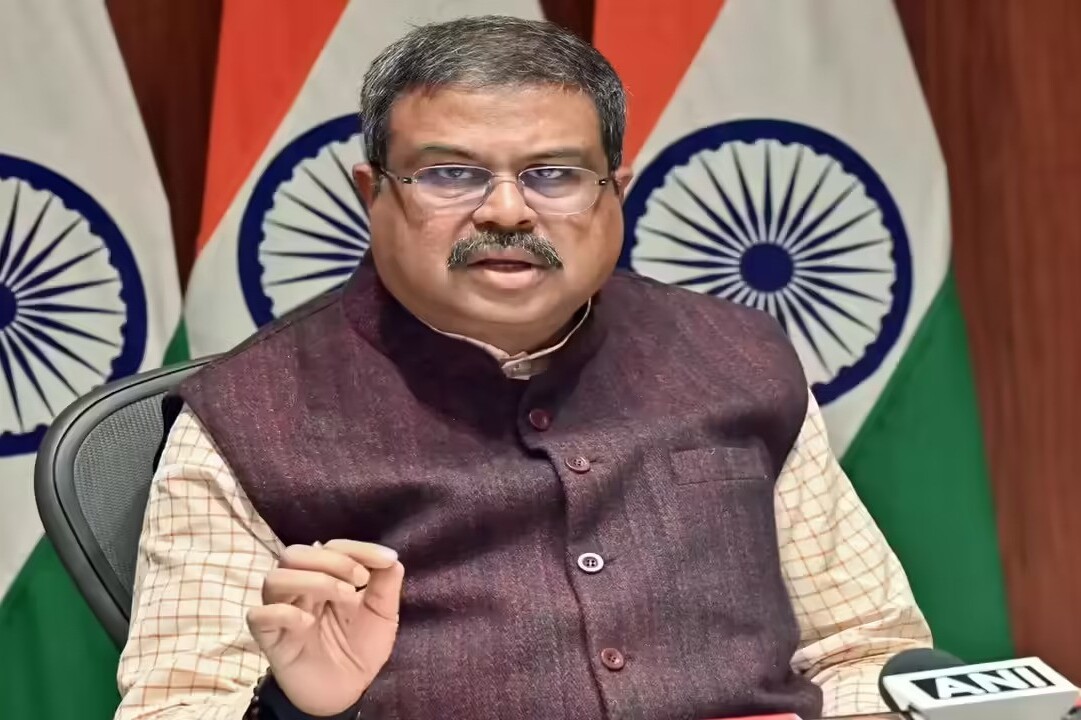
- India’s central government announced the formation of HECI, merging UGC, AICTE, and NCTE.
- HECI will operate on four pillars to streamline regulation, accreditation, grants, and curriculum.
- This historic reform aims to make India’s higher education system more efficient and globally competitive.
GG News Bureau
New Delhi, 27th July: A historic and much-anticipated transformation has begun in India’s higher education system. The central government has formally announced the formation of the Higher Education Commission of India (HECI), effectively merging three separate regulators: the University Grants Commission (UGC), the All India Council for Technical Education (AICTE), and the National Council for Teacher Education (NCTE). This significant change, brought about under the National Education Policy (NEP 2020), aims to make the higher education system more organized, transparent, flexible, and efficient.
HECI: A New Four-Pillar Structure
The HECI will be structured into four independent yet integrated units, each with distinct functions:
- National Higher Education Regulatory Council (NHERC): Responsible for setting standards and regulations and monitoring compliance for all higher education institutions.
- National Accreditation Council (NAC): Tasked with evaluating and accrediting the quality of institutions and programs.
- Higher Education Grants Council (HEGC): Will manage financial aid, scholarships, and grants.
- National Curriculum, Assessment and Study Council (HECI-CU): Will focus on curriculum development, teaching methodologies, and assessment reforms.
Through these four components, HECI will not only regulate but also strive to improve educational quality, encourage research, and build a globally competitive education framework.
Why the Change Was Necessary
Previously, India’s higher education, technical education, and teacher education were governed by three separate regulators, often leading to inconsistencies, ambiguities, and delays in their functioning. As per NEP 2020, there was a clear need to replace this “fragmented regulatory system” with an “integrated and coherent framework.” A senior official from the Education Ministry stated, “The establishment of HECI is a decisive step towards bringing higher education in line with global standards. Institutions will now receive approvals, funding, and accreditation through a single window.”
Future of UGC, AICTE, NCTE
While these existing institutions will formally merge, their valuable technical resources, experience, and expertise will be integrated into the various branches of HECI. Systems like UGC’s “NET” examination, AICTE’s technical education framework, and NCTE’s teacher training experience will inform HECI’s new standard-setting processes.
Expert Views
According to education policy expert Prof. Vikas Dubey, “This decision will re-establish India’s higher education in the global context of the 21st century. It is not merely administrative integration but a reorganization of an academic philosophy.”
Opportunities and Cautions
The advent of HECI is expected to boost administrative efficiency and transparency. However, concerns have been raised regarding the autonomy of state universities, freedom for innovation, and the development of curricula in diverse languages. The government has clarified that HECI will empower academic freedom, not impede it. HECI is envisioned as the new face of higher education in India, aiming to strengthen institutions and serve as a bridge connecting students with better education, grants, and employment opportunities. Its success will depend on its speed and inclusivity in translating policy into practical changes within classrooms.
