
Language Politics and Political Survival in Maharashtra

Paromita Das
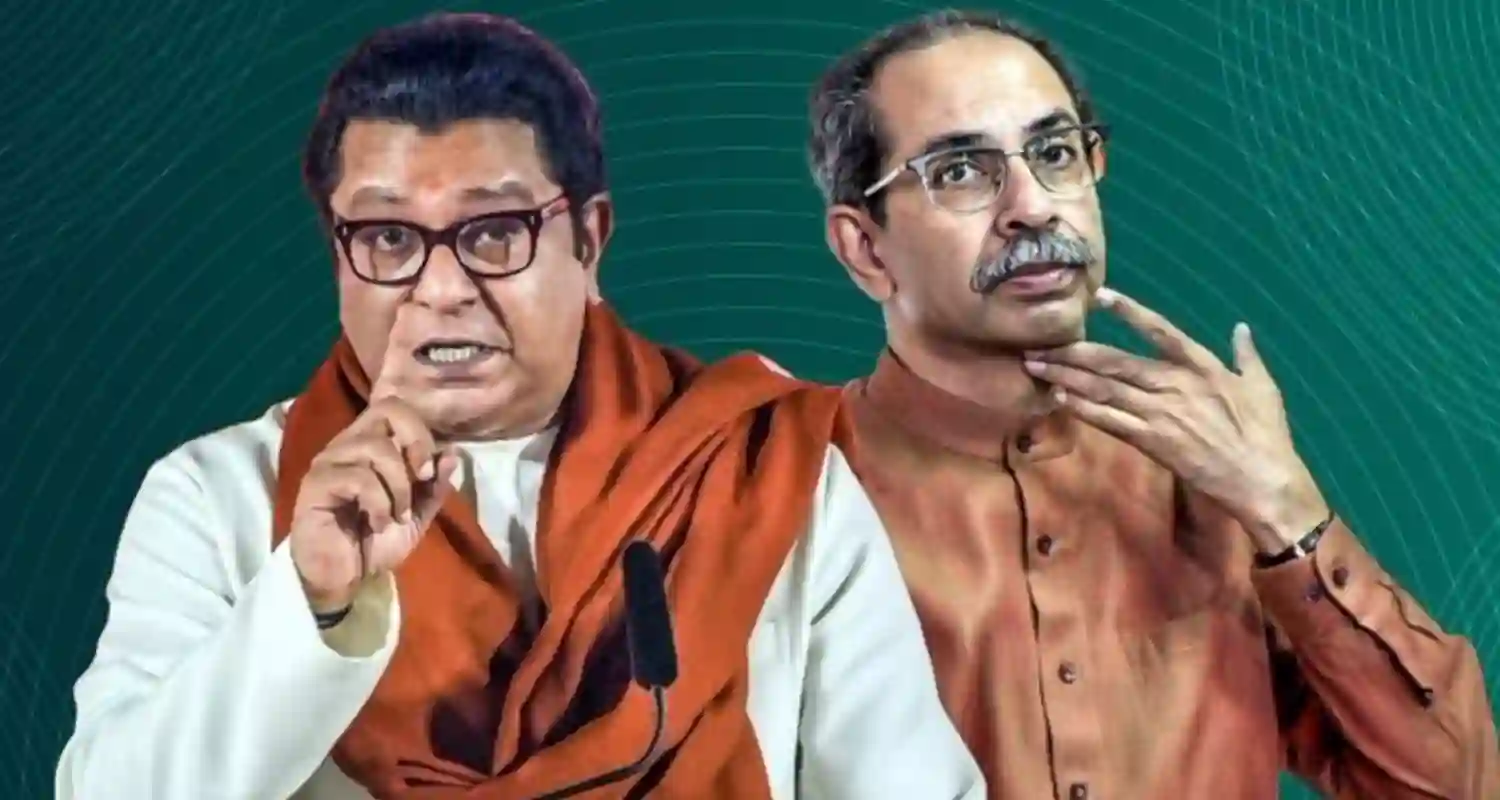
New Delhi, 21st July: In Maharashtra, the language card is being dealt once again—not for the love of Marathi, but for the survival of fading political legacies. What should have been a debate about inclusive governance and modern development has turned into a showcase of outdated identity politics, as seen in the latest outbursts from Raj Thackeray and Uddhav Thackeray. These are not battles for cultural preservation but last-ditch attempts to reclaim relevance in a fast-evolving political landscape.
Raj Thackeray’s Outburst: Performance Over Policy
Raj Thackeray, leader of the Maharashtra Navnirman Sena (MNS), once again made headlines—not for proposing solutions, but for threatening violence. His provocative remark about “drowning” BJP MP Nishikant Dubey in the sea is not just inflammatory rhetoric; it reflects a deeper crisis of relevance. In a state brimming with challenges like inflation, infrastructure bottlenecks, and youth unemployment, Raj’s go-to weapon is linguistic aggression.

It is the classic performance of a politician who has little to offer by way of concrete governance. His rhetoric may echo the aggressive politics of his uncle Bal Thackeray, but the context has changed. Maharashtra’s electorate is not easily swayed by fear anymore. The Marathi-speaking public, especially the youth, are more concerned with job opportunities than shop signage.
Uddhav Thackeray’s Gimmick: A Weak Echo of the Past
Former Chief Minister Uddhav Thackeray, now leading the Shiv Sena (UBT) faction, has surprisingly joined his cousin in fanning linguistic tension. Once seen as a more moderate face of the Sena, Uddhav’s recent stance feels like a step backward. His alignment with Raj at a recent rally appeared less about genuine concern for Marathi culture and more about political desperation.

Having lost his government and with his faction weakened after the split led by Eknath Shinde, Uddhav’s embrace of the ‘Marathi Asmita’ narrative appears more tactical than ideological. It’s an appeal to emotion rather than intellect, aimed at reigniting a shrinking support base.
Goonda Politics Masquerading as Cultural Pride
The resurgence of MNS’s street-level intimidation tactics, such as beating shopkeepers for not speaking Marathi, is a worrying trend. These acts are not expressions of cultural pride but of hooliganism. The message to non-Marathi speakers is clear: conform or face consequences. That such incidents are not condemned but encouraged through fiery speeches further exposes the true intent—create fear, foster division, and portray it as cultural defense.
But this kind of aggressive regionalism has worn thin. It fails to resonate with an electorate that has seen beyond narrow identity politics. The common Marathi citizen knows the difference between pride and prejudice—and they’re increasingly rejecting the latter.
The Manufactured Crisis Around the Three-Language Policy
The recent uproar began with a government resolution introducing Hindi from Class I as a third language. The backlash from the Thackeray cousins was immediate and severe, presenting it as a threat to Marathi itself. However, the policy never proposed replacing or demoting Marathi—it was simply a curriculum adjustment, and even that was withdrawn after backlash.

Their outrage was not a response to educational policy, but a carefully orchestrated political move. It was about rekindling an old sentiment that no longer holds the same currency in an increasingly cosmopolitan Maharashtra.
Maharashtra Deserves Better
Maharashtra is not the same state it was 20 years ago. Its electorate is younger, more aspirational, and more connected to the world. They are not looking for leaders who speak in threats; they are looking for those who offer clarity, growth, and opportunity. The language war being reignited by the Thackerays doesn’t reflect the needs of the state—it reflects their personal political anxieties.
By attempting to revive old, divisive narratives, both Raj and Uddhav risk alienating the very voters they hope to inspire. It is time for Maharashtra’s political discourse to rise above language and identity, and focus on the universal: jobs, education, safety, and progress.
Unity, Not Division, is Maharashtra’s Future
The toxic politics of language has once again taken center stage in Maharashtra, not because the people demanded it—but because two political figures are running out of options. Raj and Uddhav Thackeray’s attempts to invoke Marathi pride are transparently performative, driven by desperation, not devotion.
As Maharashtra moves forward, its people will increasingly reject the politics of fear and exclusion. They will reward vision, not volume. In a state built on cultural richness and progressive ideals, unity—not division—must lead the way.
