
AAIB Slams “Irresponsible” Media Over Air India Crash Reports
Bureau Urges Patience and Compassion Amidst "Selective" Speculation on Ahmedabad Dreamliner Tragedy

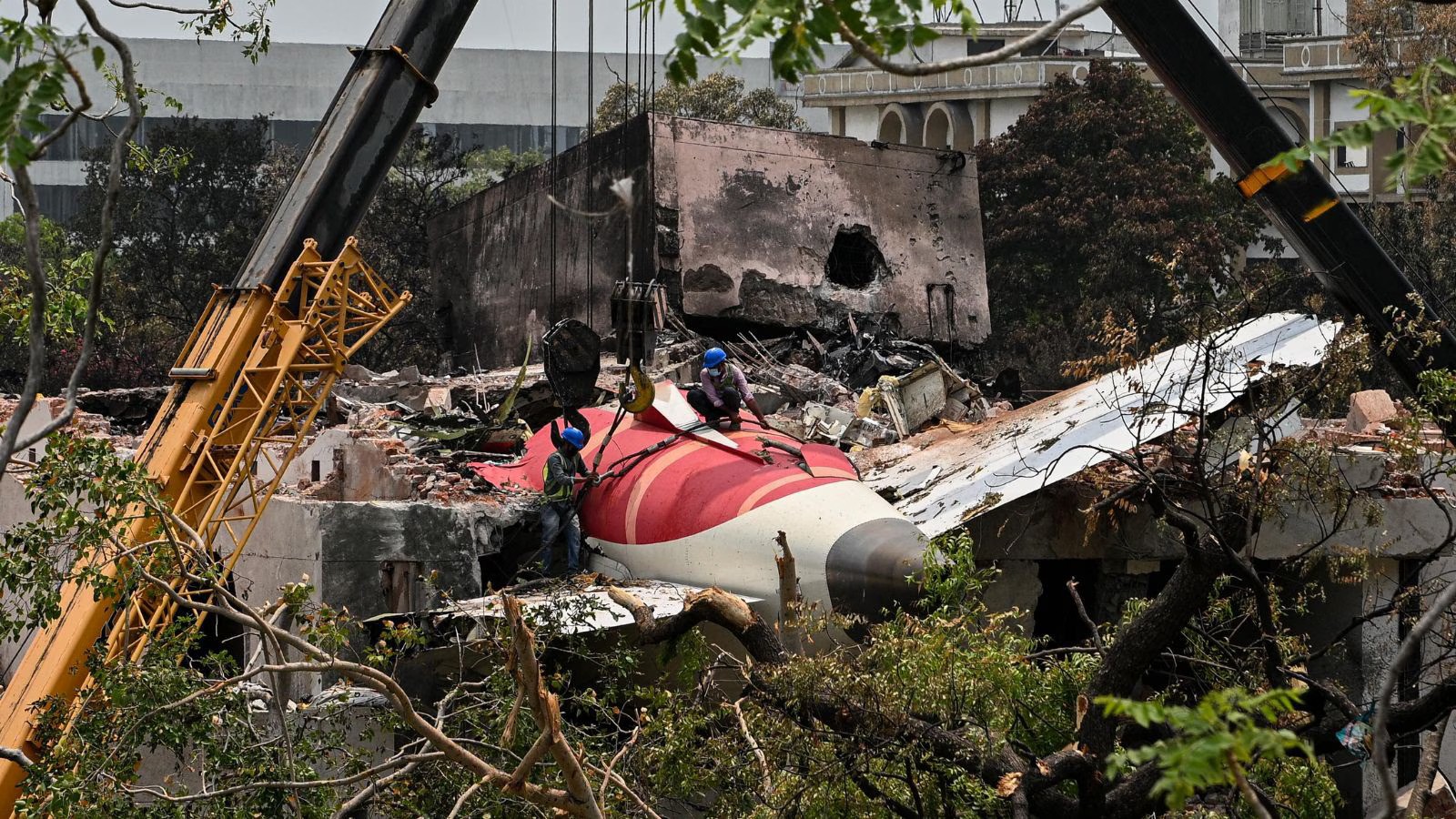
- AAIB slammed international media for “selective” and “irresponsible” reporting on Air India crash.
- 274 people died in Ahmedabad Boeing 787 crash on June 12.
- WSJ report claimed pilot cut fuel, citing cockpit audio.
GG News Bureau
New Delhi, 17th July: The Aircraft Accident Investigation Bureau (AAIB) on Thursday issued a sharp rebuke to international media publications for what it termed “selective,” “unverified,” and “irresponsible” reporting regarding the Air India Boeing 787-8 Dreamliner crash in Ahmedabad on June 12, which tragically killed 274 people. The AAIB also criticized foreign media for fostering “anxiety about safety of Indian airlines.”
The strong statement from the AAIB followed a report by American publication Wall Street Journal (WSJ). Citing the AAIB’s preliminary report, the WSJ had claimed that cockpit voice recorder audio indicated the senior pilot, Captain Sumeet Sabharwal, cut fuel to the engines, leading to a mid-air loss of thrust and the crash.
In a brief but sharply-worded statement this afternoon, the AAIB called out such speculation from the WSJ and other international media, asserting, “Such actions are irresponsible… especially while the investigation remains ongoing. We urge the public and the media to refrain from spreading premature narratives that risk undermining the integrity of the investigative process.”
The bureau appealed for patience, emphasizing that the preliminary report’s purpose is to provide information on “WHAT” happened, and it is “too early to reach a conclusion.” “The investigation is not complete. The final report will come out… AAIB appeals to all concerned to await publication of the final report, after completion of the Investigation,” the statement read.
Call for Compassion Amidst Speculation
The AAIB also stressed the critical need for compassion in reporting on this tragic incident. “It is essential to respect losses faced by family members of deceased passengers, crew, and other persons on the ground… it needs to be appreciated that this is not the time to create public anxiety or angst towards safety of Indian airlines,” the bureau stated firmly.
The WSJ report had also drawn fierce condemnation from the Federation of Indian Pilots (FIP). Its chief, speaking to NDTV, dismissed the claim as “baseless” and vowed legal action. FIP chief C.S. Randhawa highlighted that the crash investigator’s preliminary report, released last week, makes no mention of pilots having turned off the fuel supply. Instead, it only stated that the switches moved from ‘RUN’ to ‘CUTOFF’ within a single second.
The WSJ had alleged that the (unreleased) cockpit recording showed First Officer Clive Kunder questioning Captain Sabharwal about moving the fuel supply toggles to the ‘CUTOFF’ position seconds after takeoff. The WSJ article also included a sentence stating, “The report (i.e., the AAIB preliminary report) didn’t say whether turning off the switches might have been accidental or deliberate,” a phrasing seen by some as an attempt to subtly blame the deceased pilots, especially given that fuel control switches are designed to remain immobile unless actively toggled.
In the aftermath of the AAIB’s initial report, the Director-General of Civil Aviation (DGCA) mandated checks on switches regulating fuel supply to the engines for all India-registered Boeing jets. On Wednesday, Air India confirmed it had completed these checks on its Boeing 787 fleet and found “no issues.”
