
RCB Parade Stampede: Police Blame “Unilateral” Invitation
Karnataka Govt Report Alleges RCB Invited Public Without Required Permission, Leading to Fatal Chaos

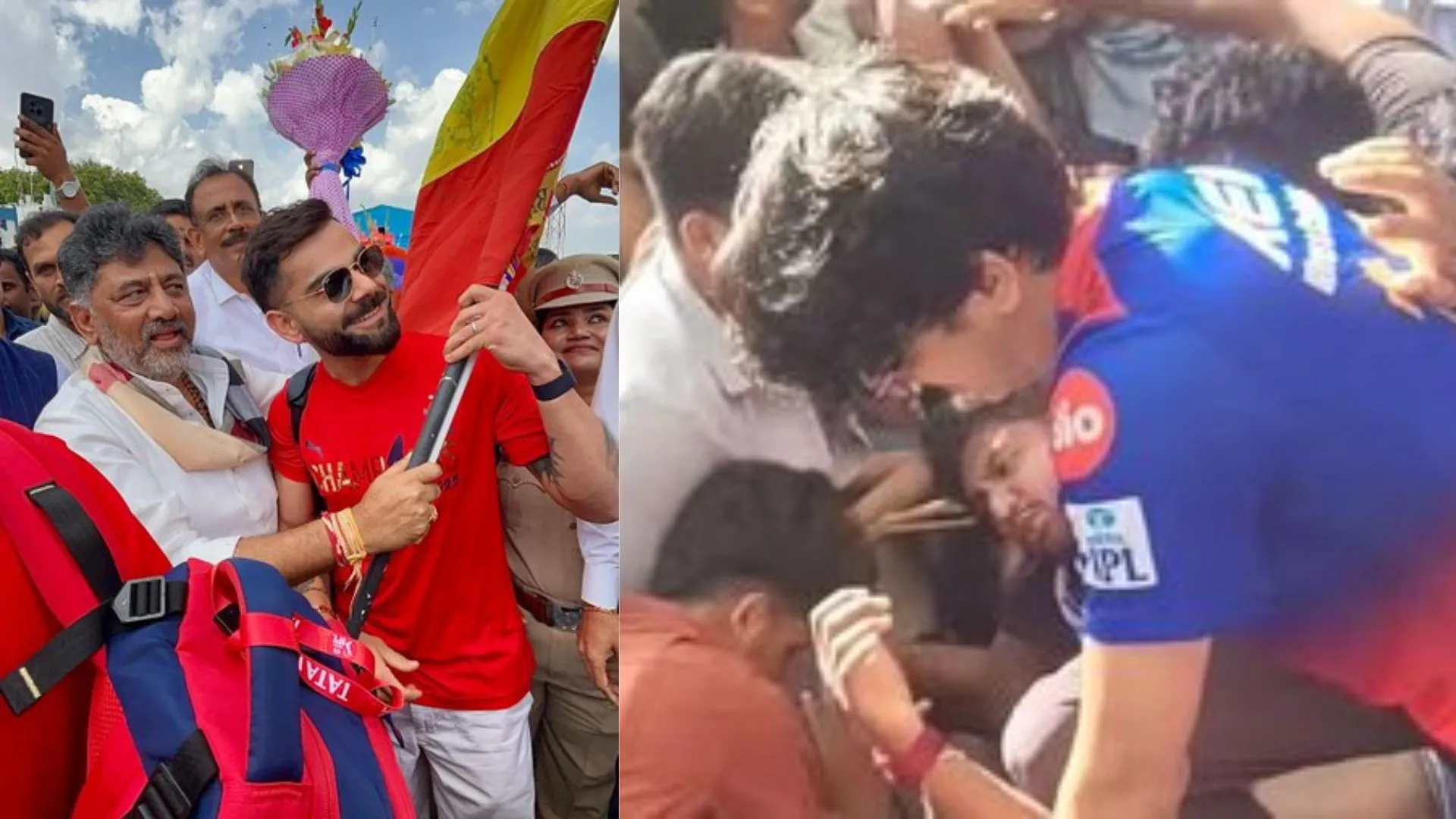
- RCB invited public unilaterally for IPL victory parade.
- No police permission sought, violating legal requirements.
- Social media posts promised free entry, drawing huge crowds.
GG News Bureau
Bengaluru, 17th July: The Royal Challengers Bengaluru (RCB) unilaterally invited the public for its Indian Premier League (IPL) victory parade to Chinnaswamy Stadium, doing so “without consultation/permission” from city police, a Karnataka government report to the High Court has revealed. This lack of coordination led to a stampede that tragically claimed 11 lives and left over 50 injured.
The report, now public following a directive from the Karnataka High Court (which rejected the state’s plea for confidentiality), details the events surrounding the fatal incident. According to the government, the RCB management contacted police on June 3 – the day RCB won the IPL after an 18-year drought – to inform them of a possible victory parade. However, the report clarifies that this was merely an “intimation, not a requisition for permission as required under the law,” which mandates seeking permissions at least seven days prior to an event.
“In the present case, no applications in the prescribed formats were submitted to the licensing authority by the applicant/organiser,” the report states. “Accordingly, the PI of the Cubbon Park Police Station did not grant the permission… due to a lack of information regarding the expected approximate gathering, arrangements made, possible bottlenecks, and the like.”
Public Invite Without Consulting Cops
The government report alleges that despite lacking police permission, RCB posted an invitation on its official social media handles at 7:01 AM the next day (June 4), announcing “free entry” and inviting the public to participate in a “Victory Parade” from Vidhana Soudha to Chinnaswamy Stadium. Another post reiterated this at 8:00 AM.
At 8:55 AM on June 4, RCB shared a video clip of prominent player Virat Kohli on X (formerly Twitter), where he expressed the team’s intention to celebrate with Bengaluru citizens and fans. Subsequently, at 3:14 PM, RCB made another post announcing the parade from 5:00 PM to 6:00 PM, followed by celebrations at the stadium. This last post was the first and only time it mentioned “limited passes” were available online, implying prior posts had suggested open entry for all.
Massive Crowd and Chaos
The RCB social media posts garnered immense engagement, with a combined 4.4 million views, leading to an “immense” public gathering exceeding 300,000 individuals. This estimate is partly based on BMRCL ridership numbers for June 4, which saw around 966,000 passengers, significantly higher than the usual 600,000. Large crowds also gathered along the 14-kilometre route from HAL Airport to Taj West End to glimpse the team, necessitating extensive police deployment en route.
The report highlights that around 3:00 PM on June 4, a sudden surge of approximately 300,000 people occurred near Chinnaswamy Stadium, vastly exceeding its 35,000 capacity. This surge, concentrated at entry gates, followed RCB’s prior posts implying free entry.
The situation deteriorated when, at 3:14 PM, RCB and other organizers “belatedly” clarified that stadium entry required limited passes. This generated “confusion, frustration, and chaos.” The report states that the organizers’ “complete mismanagement” of gate operations led to crowds forcing their way in by breaking open Gate Nos. 1, 2, and 21. Sporadic stampedes occurred at multiple gates, though police personnel reportedly responded immediately to regain control.
Why March Was Not Called Off
The report explains that the event was not called off entirely due to concerns that abruptly halting the celebrations could “incite violence” and negatively impact law and order across the city. Instead, a “measured response” was adopted by curtailing the function’s duration and enhancing monitoring. This “tactical decision” prioritized overall public safety, considering crowd psychology and the massive scale of the gathering, to prevent widespread mob violence.
