
BRICS condemns US-Israel military strikes against Iran, seismic shift in global power dynamics

By Anjali Sharma
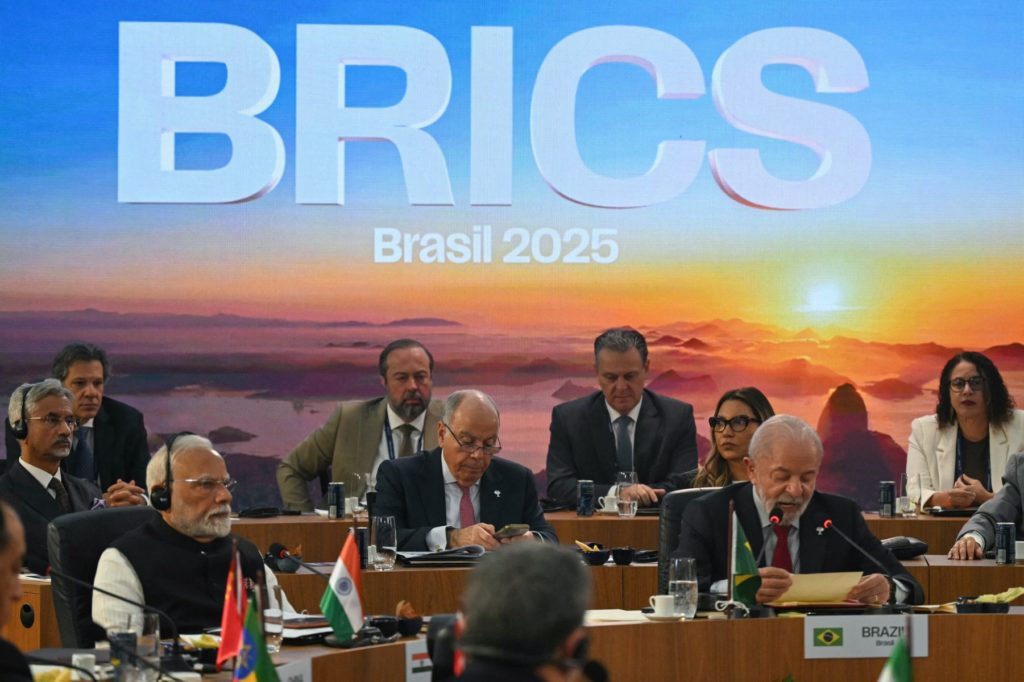
WASHINGTON – The BRICS nations’ on Tuesday strongly condemned the recent military strikes against Iran, cited violations of international law and the UN Charter, has significant implications for the global geopolitical landscape.
The declaration reflects the group’s growing influence and commitment to upholding international law, promoting multi polarity in global governance, and challenging the dominance of Western powers.
This move can be seen as a manifestation of the group’s growing influence and its willingness to challenge the dominance of Western powers in global affairs.
The declaration expressed grave concern over deliberate attacks on civilian infrastructure and peaceful nuclear facilities in Iran, which are under the full safeguards of the International Atomic Energy Agency.
The BRICS nations have called for an immediate, permanent, and unconditional ceasefire in Gaza, withdrawal of Israeli forces, and unhindered humanitarian access.
The BRICS declaration may isolate Israel diplomatically, given the bloc’s emphasis on upholding international law and promoting multipolarity in global governance. This could lead to increased pressure on Israel to reconsider its military actions in the region.
The bloc has expressed serious concerns about unilateral tariffs and non-tariff measures that disrupt trade and are inconsistent with World Trade Organization rules.
The strong wording of the declaration from countries like India and Brazil, indicates a shift in Global South sentiment against unilateral military actions. This could lead to increased cooperation and solidarity among developing nations.
The BRICS stance on Iran and Gaza reflects the group’s commitment to upholding international law and promoting multipolarity in global governance. This could potentially challenge US influence in the region and globally.
The BRICS declaration may strain relations between the US and the bloc, particularly given the current tensions over trade policies and tariffs. The US has threatened to impose additional tariffs on countries aligning with BRICS policies, which could lead to a trade war.
India’s stance alongside BRICS nations signals a shift in Global South sentiment against unilateral military actions, potentially strengthening India’s diplomatic ties with developing nations.
The BRICS declaration backing UN Security Council reforms could bolster India’s bid for a permanent seat at the UNSC.
India’s condemnation of military strikes against Iran, without directly naming Israel, highlights India’s delicate diplomatic balancing act in the region.
The BRICS declaration’s emphasized on zero tolerance for terrorism and rejecting double standards in counter-terrorism efforts could strengthen India’s position against cross-border terrorism, particularly from Pakistan.
The BRICS nations’ criticism of unilateral coercive measures, such as economic sanctions, might resonate with India’s own concerns about protectionist trade policies and their impact on global trade.
The BRICS declaration is a diplomatic win for Tehran, which has struggled to gain regional or global support following the 12-day bombing campaign by the Israeli military.
The BRICS nations’ call for an immediate, permanent, and unconditional ceasefire in Gaza, withdrawal of Israeli forces, and full membership for Palestine in the United Nations could lead to increased international pressure on Israel to negotiate a ceasefire and work towards a peaceful resolution.
The BRICS stance on Iran and Gaza reflects the group’s commitment to promoting multipolarity in global governance, potentially challenging the existing global order and leading to a shift in power dynamics.
The strong language used by BRICS nations signals a shift in Global South sentiment against unilateral military actions, potentially leading to increased cooperation and solidarity among developing nations.
The BRICS bloc’s firm stance against unilateral military actions and trade policies signals a united front against what they perceive as a breach of international law and WTO rules.
