
Bilawal Bhutto’s Extradition Offer and hardliners
Ignites Backlash from Pakistan’s Hardline Factions

GG News Bureau
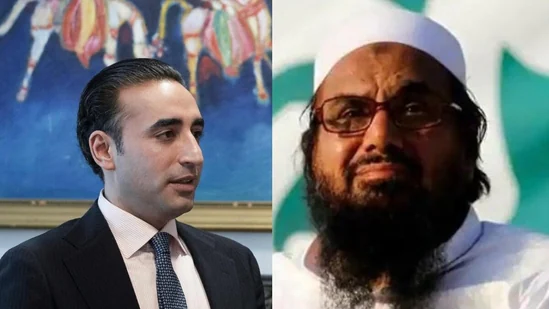
New Delhi, 7th July – In a surprising diplomatic overture, former Pakistani Foreign Minister and current chairman of the Pakistan People’s Party (PPP), Bilawal Bhutto Zardari, publicly backed the idea of extraditing individuals of major concern—including notorious figures like Hafiz Saeed and Masood Azhar—to India “as a confidence-building measure.” His remarks have generated a mix of international surprise and domestic uproar, highlighting the deep schisms within Pakistan’s political landscape.
An Unprecedented Proposal
In an Al Jazeera interview on July 4, Bhutto Zardari called for a renewed “comprehensive dialogue” between Pakistan and India, citing terrorism as a key topic for discussion. He stated emphatically that if India actively cooperates—by sharing evidence and facilitating witness testimonies in Pakistani courts—then “there would be no hurdle” to extraditing wanted individuals, including Hafiz Saeed and Masood Azhar
Believed to be detained in Pakistan on terror-financing charges, Hafiz Saeed is currently serving a 33‑year sentence, while Masood Azhar is suspected to be operating from across the border in Afghanistan . Bilawal’s stance marks a stark deviation from Pakistan’s longstanding policy that maintains these figures are under domestic jurisdiction and subject only to Pakistani judicial processes.
Indian Position and Demands
India has historically urged Pakistan to bring those responsible for the 2008 Mumbai attacks and other terror incidents to justice. According to official statements, over 1,000 dossiers and detailed evidence were submitted by Indian authorities, but procedural delays and lack of follow-through hindered progress
Bhutto Zardari’s proposal hinges on India providing concrete legal cooperation—especially sending witnesses to Pakistan—which, he argues, would mitigate extradition issues
Fierce Backlash from Hardliners
The extradition proposal has met severe rebuke within Pakistan. Talha Saeed, son of Hafiz Saeed and himself designated a global terrorist, labeled the suggestion “irresponsible” and dishonourable. He accused Bilawal of tarnishing Pakistan’s global standing by implying a willingness to deliver his father to a “hostile country”
The affiliated group Pakistan Markazi Muslim League (aligned with Lashkar-e-Taiba) retaliated by accusing India of orchestrating terrorism within Pakistan—calling Bhutto’s proposal a betrayal
Even within mainstream political ranks, the move drew criticism. Imran Khan’s PTI party branded Bhutto an “immature political child,” accusing him of undermining Pakistan’s security narrative and legacy on Kashmir
Broadening Geopolitical Context
This extradition proposal arrives amid a fraught and volatile geo-political backdrop:
Water and War Rhetoric
Bhutto Zardari has recently taken a firm stance on India’s suspension of the Indus Waters Treaty. During a budget session in Islamabad on June 24, he called India’s move “illegal and provocative,” warning Pakistan would not hesitate to retaliate if water share rights were infringed
In international forums, such as Washington and Brussels, he further cautioned that the “threshold for full-scale war” between Pakistan and India is presently at its lowest, particularly in the aftermath of the April 22 Kashmir attack, and that any future water warfare or terror incidents could precipitate armed conflict
Diplomatic Outreach
As tensions with India simmer, Pakistan has embarked on an expanded diplomatic campaign, led by Bhutto Zardari, aiming to project its narrative on terrorism, Kashmir, and water rights to international audiences. He has engaged with European and U.S. officials, appealing for mediation and underscoring risks posed by rising regional hostility .
Motivations and Political Calculations
Bhutto Zardari’s proposal seems two-fold in purpose:
Recalibration of Pakistan-India Ties
By raising the bar for extradition—requiring formal evidence exchange and judicial cooperation—he signals Pakistan’s openness while also shifting responsibility to New Delhi. It’s an attempt to rejuvenate stalled diplomatic channels under a veneer of equal accountability.
Domestic Strategic Positioning
Within Pakistan’s complex politico-military landscape, the PPP faces pressure from hardliners and military-aligned factions. Bhutto’s posture may be a strategic bid to present PPP as more pragmatic and internationally engaged, contrasting with the perceived rigidity of PTI or military-aligned narratives.
Potential Roadblocks Ahead Despite the diplomatic intent, substantial challenges remain.
Insufficient Legal Framework: India must send credible testimonies and evidence—often involving high-profile terror cases—which bilateral distrust has historically hampered.
Internal Pakistani Opposition: Hardliners wield considerable influence. Any extradition deal would need to endure through political backlash and possibly legal injunctions.
Regional Tensions: The intertwined disputes over terrorism and water treaties make any extrication politically sensitive. Talha Saeed’s vocal defiance highlights resistance that transcends conventional diplomatic norms.
Path Forward: A Fragile Proposal
India has not yet provided an official response. Its decision may hinge on whether Pakistan demonstrates a genuine readiness to follow through on tangible actions—like arrests, formal judicial proceedings, and evidence-sharing. Conversely, it could remain cautious amid ongoing hardline resistance in Pakistan.
Bilawal’s move is diplomatic in tone—asserting a structured process—but fundamentally remains a policy shift; whether it reflects the state’s consensus or a personal stance will matter greatly to its credibility with India and the global community.
Bilawal Bhutto Zardari’s extradition proposal represents a significant thaw in Pakistan’s hardline stance. It underscores PPP’s ambition to lead a new diplomatic chapter with India. Yet, deeply entrenched ideological resistance, legal complications, and strategic distrust pose major hurdles.
With tensions heightened by water disputes and nuclear brinksmanship, the proposal may either catalyze a cautious rapprochement—or deepen existing fissures within Pakistan’s political architecture. Its fate will reveal much about Pakistan’s domestic coherence and its willingness to navigate the critical road toward reconciliation with India. Probably uncertain
