
UN agencies warns Afghan returnees from Iran overwhelm fragile support systems

By Anjali Sharma
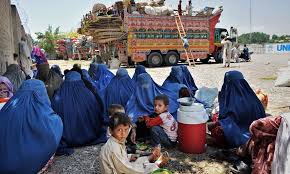
UNITED NATIONS – UN International Organization for Migration reported on Monday that over 700,000 Afghan migrants have returned from Iran so far this year, including 256,000 in June alone, warned of immense pressures on Afghanistan’s overstretched support systems.
IOM reported that 9% of the returnees were undocumented, and 70% were forcibly returned, with a steep rise in families being deported a shift from earlier months, when most returnees were single young men.
In March, Iran decided all undocumented Afghans to leave the country.
According to Arafat Jamal, the UNHCR representative in Afghanistan said that the coditions deteriorated after the 12-day conflict between Iran and Israel, which caused the daily refugees crossings to skyrocket from about 5,000 to nearly 30,000.
“They are coming in buses and sometimes five buses arrive at one time with families and others and the people are let out of the bus and they are simply bewildered, disoriented, and tired and hungry as well,” he told, described the scene at a border crossing.
“This has been exacerbated by the war, but I must say it has been part of an underlying trend that we have seen of returns from Iran, some of which are voluntary but a large portion were also deportations.”
Afghanistan suffering with economic collapse and chronic humanitarian crisis, is unprepared to absorb such large-scale returns, the UN agencies said.
The 2025 Humanitarian Needs and Response Plan calls for $2.42 billion in funding, but only 22.2 per cent has been secured to date.
IOM Director General Amy Pope said “The scale of returns is deeply alarming and demands a stronger and more immediate international response, “Afghanistan cannot manage this alone.”
UNHCR and the partners is working to address the urgent needs such as food, water, shelter, protection.
The programmes are under severe strain due to limited funding.
The agency had to drastically reduce its cash assistance to returnee families at the border from $2,000 per family to just $156.
“We are not able to help enough women, and we are also hurting local communities,” added Mr. Jamal.
UN Central Emergency Response Fund has allocated $1.7 million to the WFP to support drought-affected families in Faryab Province in Afghanistan.
The funds will provide cash assistance to some 8,000 families in the region, where over a third of the rural population is facing crisis or emergency levels of acute food insecurity.
Isabelle Moussard Carlsen, Head of OCHA Afghanistan said “Acting ahead of predicted hazards to prevent or reduce humanitarian impacts on communities is more important than eve.”
She added “when humanitarian action globally and in Afghanistan is underfunded…we must make the most of every dollar.”
