

Paromita Das
New Delhi, 27th June: There are treaties that shape the world—and then there are treaties that the world shapes until they break. The Treaty on the Non-Proliferation of Nuclear Weapons (NPT), once a diplomatic pillar of post-war global order, now finds itself hanging by a thread. Not because a rogue nation chose to violate it, but because one of its most committed signatories—Iran—is on the brink of abandoning it altogether. And the irony is damning: Iran’s resolve is shaken not by its own defiance, but by its adherence. Bound by the NPT, it has faced military strikes, condemnation, and isolation—raising a troubling question: has this treaty become a punishment rather than a protection?
An Agreement Under Siege
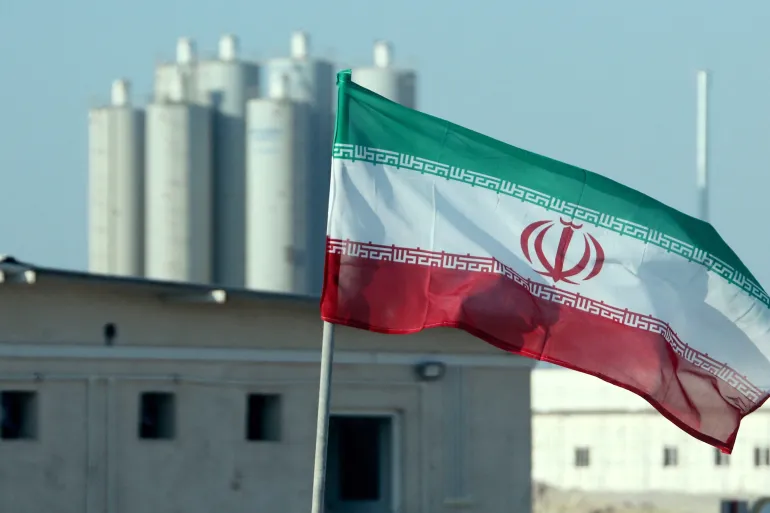
Tehran’s frustration didn’t erupt overnight. It’s been simmering through years of accusations, sanctions, and international inspections. But the turning point came with the most recent military strikes—ordered by former U.S. President Donald Trump and executed in coordination with Israel—on Iran’s nuclear facilities in Natanz, Isfahan, and Fordow. These sites, once open to inspection under the International Atomic Energy Agency (IAEA), have now become craters of doubt in the heart of the NPT framework.
Iran’s response has been sharp. Through its ambassador to the United Nations, Amir Saeid Iravani, the Islamic Republic has begun to vocally challenge the legitimacy of the NPT. His argument is simple, yet explosive: if a country complying with the treaty can be attacked without consequence, what incentive remains for compliance?
Weaponizing the Treaty
In Tehran’s eyes, the NPT is no longer a shield. It is a weapon—wielded by powerful states to constrain weaker ones. Iran accuses the United States and Israel of using the treaty’s mechanisms selectively, to exert pressure, extract concessions, and justify force. What was meant to be a pact of peace has, in their view, been turned into an instrument of geopolitical manipulation.
The Iranian parliament has begun drafting a bill to withdraw from the NPT. Speaker Mohammad Baqer Qalibaf announced ongoing debates about cutting ties with the IAEA entirely—signaling a collapse of trust, not just in the West, but in the multilateral institutions meant to ensure balance and fairness. If Iran walks away, it would be only the second nation ever to do so after North Korea—and the implications could reverberate far beyond West Asia.
Echoes of the Past, Warnings for the Future
Tehran’s narrative draws heavily from history. North Korea’s 2003 withdrawal from the NPT followed similar fears of American aggression. The U.S. invasion of Iraq later that year, justified by false claims of weapons of mass destruction, only deepened international skepticism toward Western-led non-proliferation efforts. Today, Iran invokes those moments as warnings—suggesting that non-compliance earns punishment, but so does compliance if you’re geopolitically inconvenient.
This isn’t just rhetoric. It’s a doctrine in the making. By aligning its grievances with historical precedents and invoking its religious edict against nuclear weapons, Iran is constructing a moral and strategic rationale for what could soon become a nuclear pivot.
If Iran Goes Nuclear: A Global Domino Effect
The consequences of Iran exiting the NPT and potentially acquiring nuclear weapons are grave. A nuclear Iran would likely trigger a regional arms race. Saudi Arabia, Egypt, and Turkey—all NPT members—would face enormous pressure to follow suit. Decades of diplomatic progress would unravel in a matter of months.
Even more critically, the NPT’s credibility would be irreparably damaged. If countries like Iran, which have remained under the treaty’s constraints, are not protected but punished, the entire concept of non-proliferation could collapse under its own double standards.
For the IAEA, the risks are existential. Stripped of access and legitimacy, its ability to monitor and mediate future disputes would be compromised. International law would lose one of its few functioning enforcement tools.
The NPT’s Crisis Is a Crisis of Fairness
At the heart of this crisis is not just power, but perception. The NPT has long been accused of hypocrisy—permitting the five official nuclear powers to keep their arsenals while forbidding others. What Iran is now articulating, and what many in the Global South quietly acknowledge, is a deeper discomfort: that the treaty has become a system of control, not cooperation.
The strikes on Iran while it remained a signatory have laid bare the fault lines of this imbalance. They’ve offered proof that international agreements cannot survive without trust—and trust, once broken, invites chaos.
It is easy for the U.S. and Israel to justify their actions as preventive, or defensive, or strategic. But the message received in Tehran—and likely in Riyadh, Ankara, and Cairo—is this: you’re safe only if you’re strong. You’re protected only if you can retaliate. And treaties, for all their noble language, are no longer guarantees.
A Treaty on the Brink, and a World at Risk
Iran’s threat to abandon the NPT is not merely a regional concern—it’s a global alarm bell. It signals the unraveling of decades of painstaking diplomacy. It exposes the fragile architecture of international law when confronted by raw force. And it warns of a future where more nations may choose fear over faith in treaties.
Whether Iran takes the North Korean route or remains within the system may well depend on how the world responds in the coming weeks. Will there be introspection from global powers? Will the IAEA reform its practices to rebuild credibility? Will the U.S. and its allies seek new diplomatic pathways, or rely solely on deterrence?
One thing is certain: the NPT, as it stands today, is facing its greatest test yet. And what happens next will define not only Iran’s nuclear future—but the fate of non-proliferation itself.
