

GG News Bureau
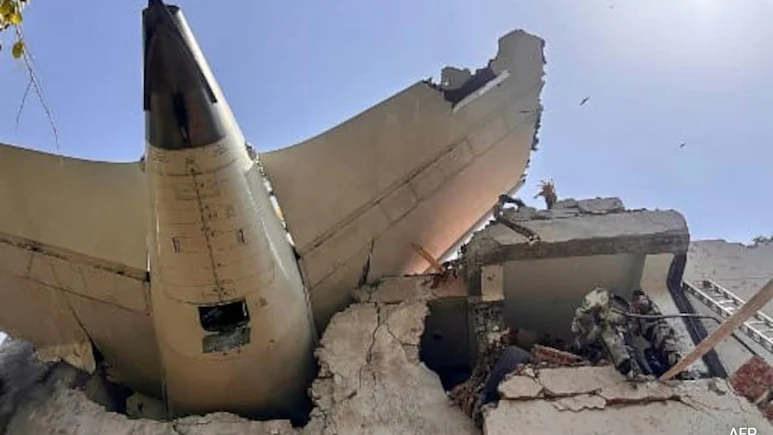
New Delhi, 26th June: In a major breakthrough in the investigation into the devastating June 12 crash of Air India flight AI 171, the government confirmed Thursday that critical flight data from both black boxes has been successfully recovered and is currently being analysed.
The Aircraft Accident Investigation Bureau (AAIB) has extracted and downloaded data from the Flight Data Recorder (FDR) and Cockpit Voice Recorder (CVR), which were both recovered from the crash site — one from the rooftop of a hostel struck by the plane and the other from the debris field. Despite damage sustained during the crash, the AAIB was able to retrieve the Crash Protection Module and memory units, allowing full data extraction.
The two devices were transported securely to the AAIB laboratory in New Delhi on Tuesday, with the first black box arriving at 2:00 PM and the second at 5:15 PM. Extraction began the same day and was completed by Wednesday, officials said.
“The analysis of CVR and FDR data is currently underway. These efforts aim to reconstruct the sequence of events leading to the accident and identify contributing factors to enhance aviation safety,” the Ministry of Civil Aviation stated.
The CVR is expected to shed light on cockpit discussions, crew alerts, and environmental sounds, including the distress message reportedly issued by Captain Sabharwal seconds before the crash. The FDR, meanwhile, holds critical flight parameters such as airspeed, altitude, engine performance, and flight control inputs.
Key Questions Investigators Hope to Answer
With 241 lives lost on board and 34 more on the ground, the tragedy has prompted urgent calls for answers. Among the most pressing questions are:
- What exactly did Captain Sabharwal say in his distress call?
Initial reports cite a “Mayday” transmission in which he may have also mentioned “no power… no thrust.” The CVR will help verify this crucial detail, potentially pointing to engine failure as a cause. - What time was the distress call made?
The aircraft took off at 1:39 PM and crashed 36 seconds later. Determining the exact millisecond the distress signal was sent will help investigators understand how much time the pilots had to respond to the crisis. - What caused the crash?
While the cause remains officially undetermined, early signs — including footage showing the deployment of the Ram Air Turbine (RAT) — suggest a possible dual engine failure or a catastrophic hydraulic/electrical systems failure.
The airline has stated that the Boeing 787-8 Dreamliner involved in the crash had passed recent safety checks. Its right engine was replaced four months ago, while the left underwent inspection in April.
Parliamentary Scrutiny and Industry Concerns
The crash has also prompted renewed scrutiny of aviation safety standards in India. A parliamentary committee is scheduled to meet next week to examine safety and maintenance practices in the civil aviation sector. The session will include officials from the Civil Aviation Ministry, airline representatives, and executives from Boeing, all of whom are expected to face tough questions.
Sources have flagged “multiple shortcomings” in aircraft upkeep, and the committee is also set to address a rising number of helicopter accidents in recent months.
