
Geopolitical Tensions and Oil Shocks: A Global Market on Edge, Bharat Caught in the Crossfire
A Crisis Born from a Missile Strike

Paromita Das
New Delhi, 26th June: The Middle East has long been a cauldron of geopolitical volatility, but the latest U.S. military strikes on Iranian targets have reignited global fears in a way that feels particularly dangerous. The ripples from these strikes are not just political—they’re economic, emotional, and global. In a world still recovering from pandemic-related disruptions and teetering on fragile supply chains, this fresh tension threatens to dismantle financial stability once again.
Markets around the world are reacting with the kind of confusion and anxiety that only war—or the threat of one—can produce. Oil prices are climbing, safe-haven assets are being hoarded, and investors are retreating from riskier bets. Yet in this whirlpool of uncertainty, Bharatiya equity markets have defied expectations, rising by 1.59% this past week. This brief surge, driven by strong domestic fundamentals and local investor sentiment, may prove to be short-lived if the international situation deteriorates further.
A Tale of Two Markets: Global Uncertainty vs Local Optimism
The reaction across financial markets has been anything but uniform. Middle Eastern markets, surprisingly, managed to absorb the shock with a degree of composure. Egypt posted an impressive 2.67% gain, while Qatar and Bahrain saw moderate improvements. Tel Aviv and Kuwait registered small upticks, perhaps reflecting regional resilience or simply a delayed market reaction. Saudi Arabia, despite being a dominant oil power, saw a slight decline, likely weighed down by the anxiety surrounding potential retaliatory strikes and supply chain disruptions.
In contrast, Western markets are on edge. U.S. stock futures dipped, and Asian indices showed widespread caution. Even as the S&P 500 held near its recent highs, there’s an undercurrent of fear—fear that a deeper spiral could shatter investor confidence and trigger a more serious correction.
And then there’s Bharat—seemingly insulated for now, but only just. The stock market’s recent gain may be more a function of technical support and retail investor enthusiasm than a sign of true immunity from external shocks. Beneath the optimism lies a vulnerability that few are ignoring.
Oil Prices Surge: The Strait of Hormuz Factor
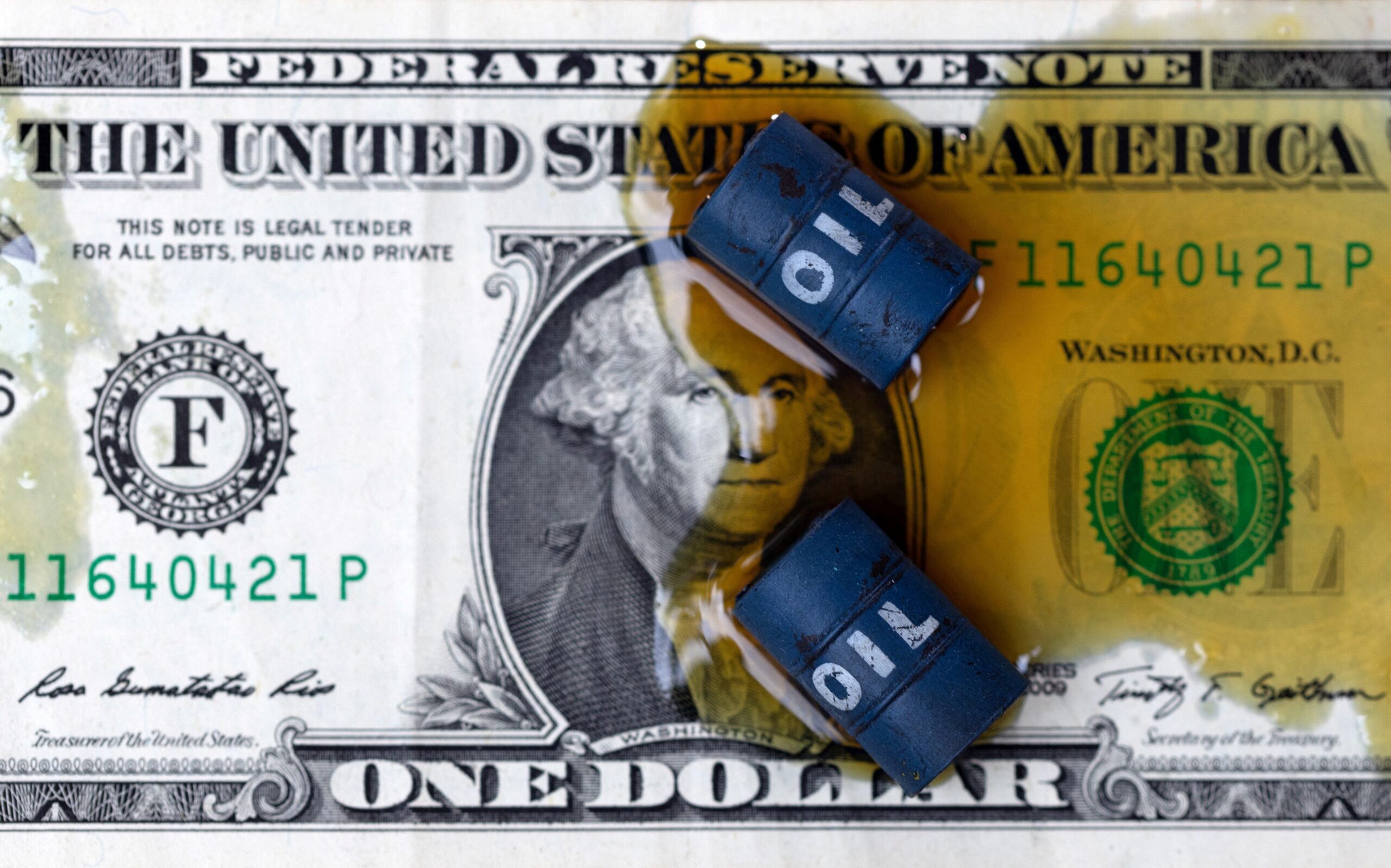
The Strait of Hormuz is one of the most strategic—and fragile—arteries in the global economy. Roughly one-fifth of the world’s oil supply passes through this narrow waterway. Any threat to its stability sends shockwaves across global energy markets, and this time is no exception. Brent crude surged to nearly $78 per barrel, while WTI climbed to just under $75. These are not just numbers—they are economic pressure points.
With oil prices already up 25% this month, market analysts are warning of a potential rise to $100 per barrel if the situation escalates. In worst-case scenarios involving attacks on oil tankers or blockades of trade routes, crude could shoot past $130—a level that could single-handedly carve nearly a full percentage point off global GDP growth.
This is more than a scare—it’s a structural threat to a world where energy remains the lifeblood of industry, logistics, and daily life.
Flight to Safety: A Familiar Pattern in Unfamiliar Times
When the world trembles, investors flee to safety. Gold prices have risen again, reaffirming the yellow metal’s timeless role as a crisis hedge. The U.S. dollar, bolstered by its reserve status, has strengthened against both the euro and the yen. U.S. Treasuries, too, are seeing inflows, with yields dipping as anxious investors prioritize capital preservation over yield.
These shifts reflect not just concern, but a fundamental recalibration of risk. It’s not just about profit anymore; it’s about protection.
Bharat’s Oil Dependency: A Long-Standing Achilles’ Heel
Bharat’s exposure to oil shocks is a matter of longstanding economic concern. As one of the world’s top oil importers, any surge in global crude prices poses a direct threat to the country’s macroeconomic stability. A prolonged rally in oil could widen the current account deficit, trigger inflation, and eventually dampen consumer sentiment.
There are knock-on effects as well. Costlier oil translates to higher logistics expenses, squeezing margins across manufacturing and services. Foreign investors—already skittish—could rethink their Bharat exposure if inflation heats up and the rupee starts to wobble.
The Reserve Bank of India (RBI) has been vigilant so far, maintaining a cautious stance on rate changes while keeping inflation within bounds. But these new developments may test that balance, especially if crude oil continues its climb and domestic demand remains strong.
A Global Balancing Act Hinges on Diplomacy
The coming weeks will be critical. Every move—from Tehran to Washington, Riyadh to Tel Aviv—will be scrutinized not just for its political implications, but for its economic impact. Diplomatic efforts to cool tensions will be essential. If negotiations fail and military escalation continues, markets could shift from nervousness to panic, particularly if physical infrastructure like oil fields or shipping lanes are attacked.
For Bharat, the challenge is two-fold: to maintain internal economic momentum while guarding against external shocks. This will require skillful fiscal management, active diplomacy, and perhaps even coordinated international efforts to stabilize oil markets.
Standing at the Edge of Global Fragility
What this latest crisis underscores is just how interconnected the global economy has become—and how exposed it remains to geopolitical tremors. A single strike can send oil prices soaring, currencies tumbling, and markets into a tailspin. For investors and policymakers alike, the message is clear: stability is no longer just an economic goal—it is a geopolitical necessity.
Bharat’s short-term market gain should not be mistaken for long-term insulation. As the world watches the Middle East, the real test will be resilience—not just of markets, but of diplomacy, energy security, and global cooperation.
