
Standing Up for What’s Right — Bhaskar Rao’s Courageous Truth About Bengaluru’s Tragedy

GG News Bureau
Bengaluru, 9th June: The heartbreaking stampede in Bengaluru on June 4, which took 11 innocent lives during the IPL victory celebrations, has left the city shaken. In the wake of this tragedy, the government’s swift suspension of senior police officers sparked debate—was it fair or just a way to deflect blame?
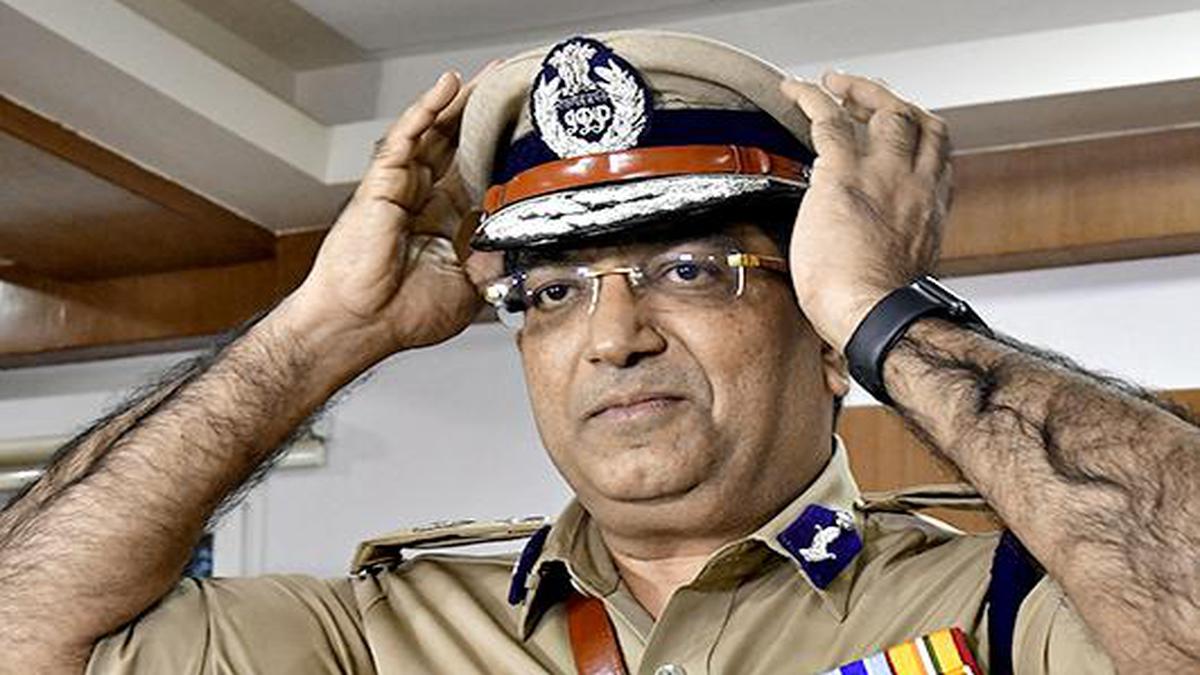
Bhaskar Rao, former Bengaluru Police Commissioner, isn’t holding back. He’s spoken out clearly and honestly, calling the suspensions “unjustified” and pointing fingers at the political leadership for poor decisions that led to the disaster.
What makes Rao’s words resonate is his personal story of courage. Years ago, when he was Inspector-General of Police in Belagavi, he stood his ground against orders from then Chief Minister Siddaramaiah. The CM wanted a suicide victim’s body brought to the Vidhana Soudha, risking chaos and violence. Rao said no, even though he faced repeated calls and pressure. He understood his duty went beyond following orders—it was about protecting peace and people’s lives.
That kind of conviction is rare but essential. Rao’s story shows that sometimes, doing what’s right means standing up to powerful forces—even political leaders.
In the current case, police had warned that holding the RCB trophy celebration right after the match at Vidhana Soudha would be chaotic and unsafe. Their concerns were ignored. The tragic outcome could have been prevented if those warnings had been taken seriously.
Rao doesn’t mince words when he says the blame lies with the government’s rush and poor planning. “They wanted the event to happen immediately. No one holds events like that within 24 hours of the match,” he said. It’s a stark reminder that decisions driven by politics and haste put lives at risk.
He also reminds us that police officers have a responsibility to uphold their integrity and not simply follow orders blindly. “Politicians are mentally very weak. They buckle under pressure,” he said. His call for officers to be courageous and independent in their roles is a plea for honesty and accountability in public service.
Rao urges the suspended officers to challenge the decision legally, saying the suspensions were more about politics than justice. This isn’t just about one incident—it’s about respecting the institutions that keep us safe and ensuring that truth and fairness prevail.
In times like these, we need leaders and officers who are brave enough to speak up, make tough calls, and protect the public—even if it means defying those in power. Bhaskar Rao’s example reminds us all that integrity and courage must never be sacrificed for convenience or politics.
As Bengaluru mourns its lost, it’s time to ask hard questions: Who really failed? And will those in charge take responsibility or hide behind scapegoats?
The answer will shape not just this city but the trust we place in those sworn to protect us.
