
A Decade of Change: How PM Modi’s Vision Helped Millions Step Out of Poverty

By Harshita Rai
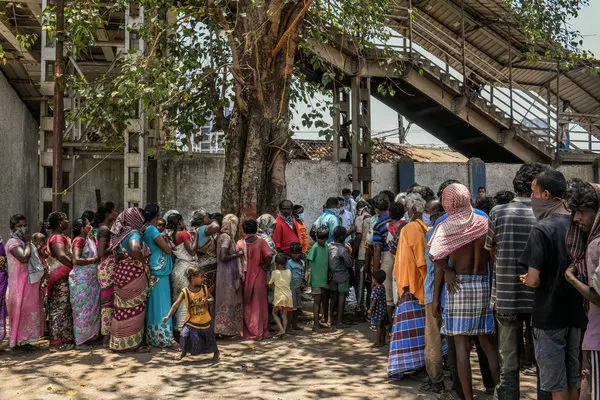
Recently released World Bank data has offered the world a powerful update: India’s extreme poverty has dropped from 27.1% in 2011-12 to just 5.3% in 2022-23. In simple terms, nearly 27 crore people—roughly the population of Indonesia—have escaped extreme poverty in just 11 years. From 344 million people living in extreme poverty a decade ago, the number is now down to 75 million.
But this isn’t just about numbers. It’s about lives transformed.
From Struggle to Stability
This progress reflects a decade-long effort rooted in both vision and execution. For rural India, the change has been remarkable. Extreme poverty in rural areas fell from 18.4% to 2.8%, while in urban areas it declined from 10.7% to just 1.1%. For the first time, the dream of a life free from hand-to-mouth survival is within reach for many.
And when we talk about poverty, it’s not just about income. It’s also about access—to education, health, sanitation, banking, and opportunity. India’s Multidimensional Poverty Index (MPI), which measures these broader aspects, also tells a compelling story. MPI fell from 53.8% in 2005-06 to 15.5% by 2022-23. That means families aren’t just earning more—they’re living better.
Policies That Touched the Last Mile
Behind these gains are targeted, inclusive, and digitally-enabled welfare schemes that have made the system more responsive and humane.
- PM Jan Dhan Yojana ensured no poor Indian remains unbanked.
- PM Ujjwala Yojana gave over 9 crore families clean LPG connections.
- Ayushman Bharat gave 50 crore Indians a health safety net.
- PM Awas Yojana gave lakhs a roof with dignity.
- Direct Benefit Transfers (DBT) and digital inclusion ensured that government support reached the right hands, directly and transparently.
These programs didn’t just offer relief; they built confidence. They made a woman believe her daughter can study, a farmer feel protected from sudden illness, and a daily wage worker dream of buying his own home.
PM Modi’s Model: Development with a Heart
What sets PM Modi’s approach apart is its people-first focus. While earlier policies often stumbled between bureaucracy and beneficiaries, Modi’s vision has been to cut the middlemen, digitise delivery, and empower the weakest. It’s a model where transparency is as important as intention.
In one of his speeches, PM Modi once said, “Garibi se ladna meri zindagi ka sankalp hai” (Fighting poverty is the mission of my life). Eleven years on, the numbers and the lives behind them echo his resolve.
A Global Story, An Indian Soul
This success has not gone unnoticed. At a time when global headlines often dwell on economic crises and inequality, India’s poverty reduction has become a beacon of hope. It tells the world that scale and sensitivity can go hand in hand. That in the world’s largest democracy, millions can rise with dignity—not just with subsidies but with sustainable access and opportunity.
The Road Ahead
Of course, challenges remain. Job creation, regional gaps, and the aspirations of a rising youth population demand continued attention. But the foundation laid over the last decade gives confidence that India is not walking, but marching forward.
Conclusion
As India enters a new chapter, it does so carrying with it the stories of millions who have stepped out of darkness into light. And at the heart of this journey stands a leadership that believed governance should not just manage poverty, but end it.
This isn’t just a decade of development. It’s a decade of dignity.
