


Why Memory Matters As We Grow Older
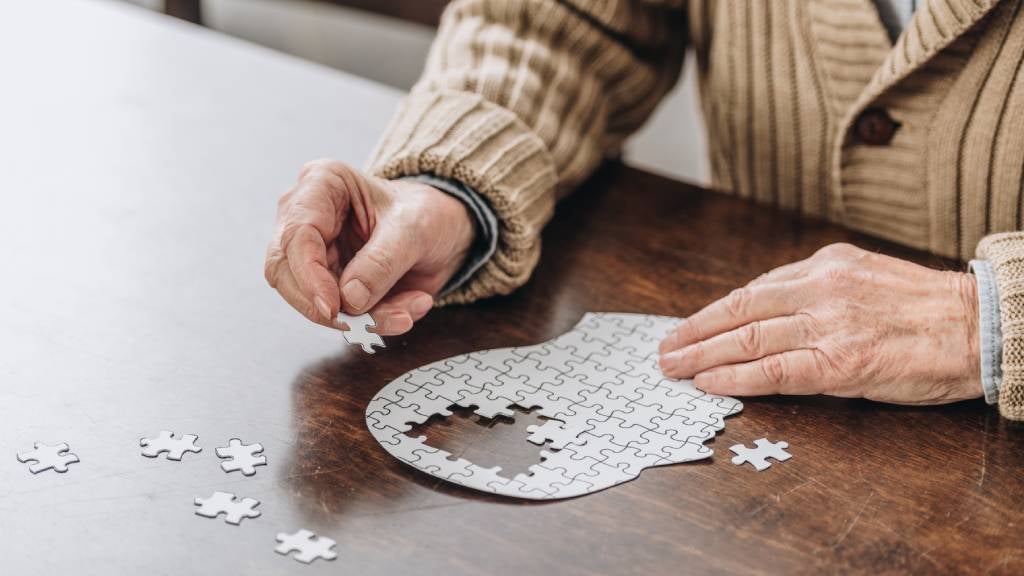
Memory isn’t just about recalling names or finding misplaced glasses — it’s the thread that holds our identity together. As we age, memory can become less reliable, leading to confusion, isolation, or fear. In a fast-moving world, older adults are often overlooked, but their memories — both joyful and painful — are filled with meaning and wisdom. This article explores why memory matters and how simple daily practices can help keep it strong.
Why Is Memory So Important in Later Life?
- Supports independence: Aids in remembering appointments, medications, and daily tasks.
- Preserves identity: Keeps personal history and sense of self intact.
- Boosts emotional well-being: Sharp memory builds confidence and self-esteem.
- Reduces frustration: Frequent forgetfulness can lead to stress, anxiety, and social withdrawal.
Why Do We Often Miss the Signs of Memory Loss?
- Memory decline is often dismissed as “normal aging.”
- Stigma surrounds cognitive health discussions.
- Families and caregivers may overlook early signs.
- Brain and mental health are often treated separately, though they are deeply connected.
The Power of Remembering — Both the Good and the Bad
- Positive memories spark joy and release feel-good hormones.
- Painful memories, if unresolved, may disrupt sleep and emotional health.
- Journaling or guided memory recall can aid healing.
- Remembering strengthens neural pathways and promotes mental agility.
Tackling Memory Decline: Where to Begin
- Acknowledge early changes — don’t ignore the signs.
- Schedule regular checkups to rule out dementia or Alzheimer’s.
- Review medications — some may affect memory.
- Lower daily stress and avoid excessive multitasking.
Simple, Practical Ways to Boost Memory
- Read and journal daily
- Improves focus, comprehension, and mental sharpness.
- Tell stories and share past events
- Reinforces long-term memory and encourages social bonds.
- Solve puzzles, crosswords, or memory games
- Enhances recall and problem-solving abilities.
- Use mnemonics and visual associations
- Connect names with images or use rhymes/acronyms.
- Create mind maps
- Organize and retain information visually and effectively.
Eat to Remember: Brain-Boosting Foods
Include more of:
- Omega-3s (fish, flaxseeds)
- Antioxidants (berries, green tea, dark chocolate)
- Leafy greens (spinach, kale)
- Whole grains for steady energy
- Water — dehydration can mimic memory loss
Limit:
- Processed sugars
- Trans fats
- Excess alcohol
Bonus Tip: Turmeric and rosemary may help boost brain health.
Movement and Memory Go Hand-in-Hand
- Aerobic activities (walking, dancing, swimming) bring oxygen to the brain.
- Yoga and deep breathing reduce stress and sharpen clarity.
- Tai Chi combines mental focus with balance and calm.
- Strength training boosts mood and circulation.
 Just 30 minutes a day can help slow cognitive aging.
Sleep & Stillness: Essential for Memory
- Deep sleep helps store and organize memories.
- Avoid screens before bedtime for better sleep quality.
- Try meditation, breathing exercises, or soft chanting at night.
Emotional Connection Matters
- Meaningful conversation keeps the brain active.
- Join a memory group, storytelling circle, or play games socially.
- Use journaling, creative writing, or therapy to ease emotional burdens.
Know When It’s Time to Seek Help
- If memory issues interfere with daily life
- If there are sudden behavioral or mood changes
- If concerned, consult a neurologist or geriatric mental health expert
A Sharper Mind, A Fuller Life
Aging is inevitable — but losing your memory doesn’t have to be. With intention, care, and healthy habits, our minds can remain vibrant, joyful, and engaged. Because memory isn’t just a look into the past — it’s a key to living fully in the present and future.
