
India Calls for Restoration of WTO Appellate Body as Top Priority in Dispute Settlement Reforms

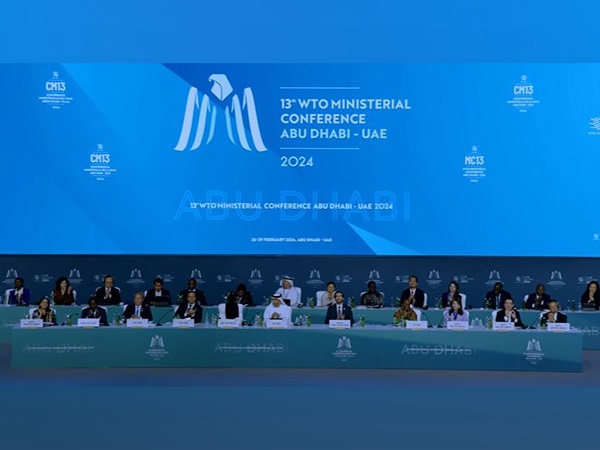
Abu Dhabi, 29th Feb. At the Working Session on Dispute Settlement (DS) Reforms during the World Trade Organization’s 13th Ministerial Conference on February 28, 2024, India emphasized the urgent need for the restoration of the Appellate Body as the foremost priority in any reform process. India also called for the effective formalization of ongoing informal dispute settlement reform discussions among some Members at the WTO.
During the session, WTO Members acknowledged that the Appellate Body, the appellate arm of the DS system, has been non-functional since December 2019 due to the blocking of the appointment of its Members by the United States. This situation has raised concerns about the credibility of the WTO and the rules-based trade order it supports.
India reiterated the commitment made by WTO Members at the 12th Ministerial Conference to conduct discussions aimed at establishing a fully functioning dispute settlement system accessible to all Members by 2024.
Highlighting the importance of a credible and reliable WTO DS system, India emphasized that any reform process should prioritize the restoration of the Appellate Body.
India also recalled its participation in facilitator-driven informal DS reform discussions over the past year, despite various shortcomings in the process. The format and pace of these discussions posed significant challenges for most developing countries, particularly the least-developed countries (LDCs), making effective participation difficult.
As a way forward, India proposed a three-point action plan for Members:
1. Transitioning the discussions on dispute settlement reforms to WTO formal bodies, preferably under the guidance of the Dispute Settlement Body Chair, to meet the mandates of paragraphs 3 and 4 of the MC12 Ministerial Declaration.
2. Ensuring that the transition results in an effective multilateralization of the process, which is Member-driven, open, transparent, and inclusive, taking into account the capacity and technical challenges of developing country Members and LDCs. Members should have the opportunity to bring in new proposals at any stage, and the resulting text should be fully representative of the views in the room and consensus-based, with hybrid participation being permitted.
3. Prioritizing the restoration of the Appellate Body as a crucial step in the reform process.
