
India Stops Ravi Water Flow to Pakistan with Completion of Shahpur Kandi Dam

GG News Bureau
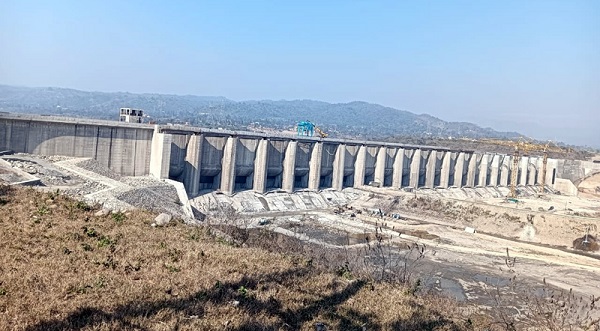
New Delhi, 26th Feb. India has stopped the flow of water from the Ravi river into Pakistan after completing the Shahpur Kandi Dam, a project that was pending for 45 years. This accomplishment marks the fruition of efforts to utilize India’s exclusive rights to the Ravi river’s water under the 1960 Indus Water Treaty, signed with the supervision of the World Bank.
The Shahpur Kandi Barrage, situated in Punjab’s Pathankot district, had faced prolonged delays due to a domestic dispute between the governments of Jammu and Kashmir and Punjab. Consequently, a substantial portion of water that rightfully belonged to India had been flowing into Pakistan over the years.
As per the Indus Water Treaty, India holds full rights over the waters of the Ravi, Sutlej, and Beas rivers, while Pakistan possesses rights over the Indus, Jhelum, and Chenab rivers. The journey towards completing the Shahpur Kandi project began in 1979 when the governments of Punjab and Jammu and Kashmir signed an agreement to construct the Ranjit Sagar Dam and the downstream Shahpur Kandi Barrage to halt water flow to Pakistan.
Although the construction of the Ranjit Sagar Dam concluded in 2001, the Shahpur Kandi Barrage faced numerous obstacles, leading to continued water flow into Pakistan. The project, declared a national endeavor in 2008, faced further delays due to disputes between Punjab and Jammu and Kashmir in 2014.
In 2018, the Central government intervened and facilitated an agreement between the two states, enabling the resumption of construction. After years of perseverance, the project is now completed.
The water, which previously reached Pakistan, will now be utilized for irrigation purposes in two crucial districts of Jammu and Kashmir—Kathua and Samba. This development will enable the irrigation of 32,000 hectares of land in the Union Territory, benefiting local farmers. Additionally, Jammu and Kashmir will receive 20% of the hydel power generated from the dam.
The Shahpur Kandi Dam, standing at 55.5 meters high, is a pivotal component of a multi-purpose river valley project, encompassing two hydel power projects with a combined installed capacity of 206 MW. Situated on the Ravi river, 11 km downstream of the Ranjit Sagar Dam Project, it signifies a significant stride towards harnessing water resources for India’s developmental goals.
