

Anjali Sharma
GG News Bureau
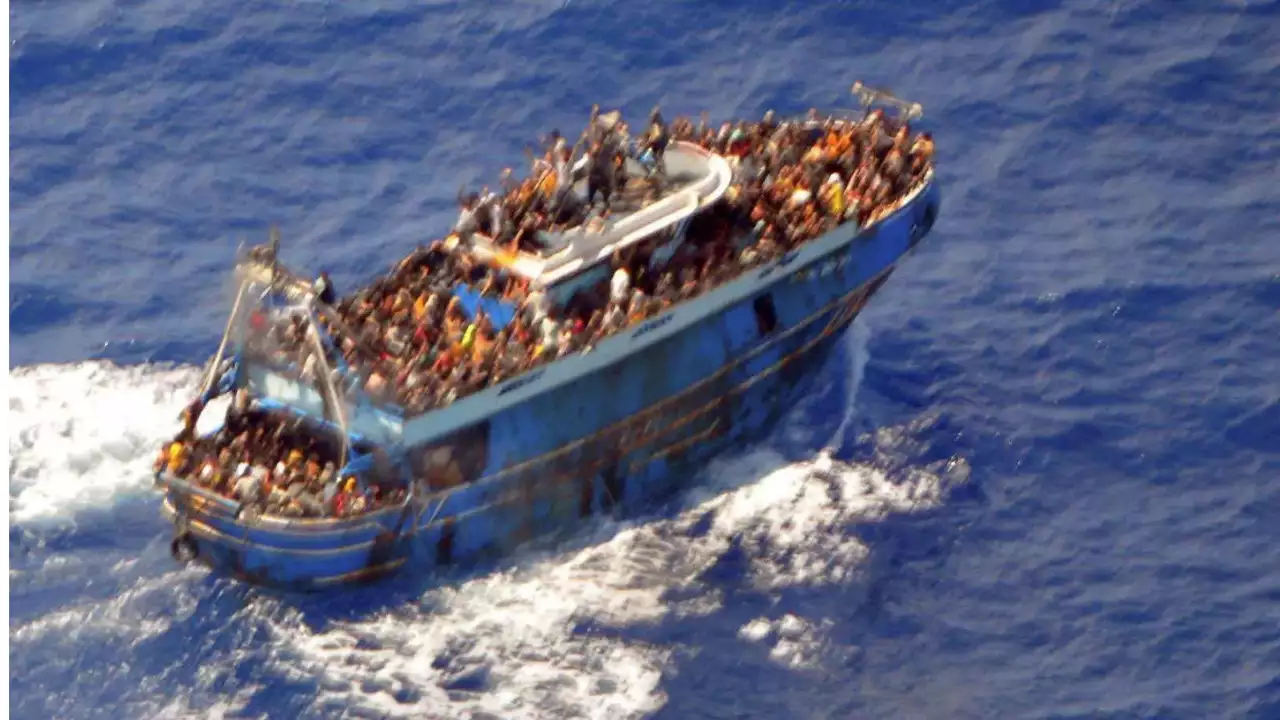
UNITED NATIONS, 30th Jan. International Organization for Migration said on Monday that some 100 people have died or disappeared crossing the Central and Eastern Mediterranean in 2024 so far more than twice the number in 2023, the deadliest year for migrants at sea in Europe since 2016.
IOM underscored the need for regular migration pathways at a one-day summit in Rome hosted by Italy to boost development in Africa and curb migration flows.
Amy Pope, the Director General of the agency said at The A Bridge for Common Life conference represented a critical opportunity to examine “unified and sustainable mechanisms to stop further needless loss of human life on treacherous routes,”.
“Even one death is one too many,” she added,.
She called the latest numbers “a stark reminder that a comprehensive approach that includes safe and regular pathways – a key strategic pillar for IOM is the only solution that will benefit migrants and States alike.”
Italy is working to strengthen its role as a bridge between Europe and Africa through a model of cooperation, development and equal partnership, IOM said.
Three vessels from Libya, Lebanon, and Tunisia within the last 6 weeks carrying 158 people are unaccounted for.
IOM has recorded 73 people from these “invisible” shipwrecks as missing and presumed dead.
The authorities rescued a group of 62 migrants off Cape Greco in southeastern Cyprus who had left Lebanon on 18 January.
Most are hospitalized and described as severely ill, with several children in a critical condition, one of whom has since died.
It added that 7 bodies that came ashore in Antalya, Türkiye, in recent days are believed to belong to a group of 85 migrants missing since they set off from Lebanon on 11 December.
According to IOM Missing Migrants Project database the annual number of migrant deaths and disappearances in all the Mediterranean jumped from 2,048 in 2021, to 2,411 in 2022, and to 3,041 by the end of last year.
Over 20 leaders from Africa and the European Union, and representatives from UN agencies, the World Bank, and other organizations, attended the conference in Rome.
UN Deputy Secretary-General Amina Mohammed called to support Africa’s progress by scaling up investment to achieve the Sustainable Development Goals which are woefully off-track as the 2030 deadline looms.
She said endorsing the $500 billion annual SDG stimulus plan put forward by the UN Secretary-General.
“Accelerating sustainable development across Africa relies on a surge in private investment. The international financial institutions play a critical role in making that a reality, as does the private sector,” she added.
Ms. Mohammed also stressed the need to “refresh” international financial institutions, which were established nearly 80 years ago, so that they are fit for today.
“African countries are not represented appropriately. And the institutions are largely insufficiently responsive to their needs. It is high time to make the change needed,” she said.
Ms. Mohammad concluded “We also need new frameworks to address new technologies, and to help release their potential to accelerate progress toward the SDGs.”
